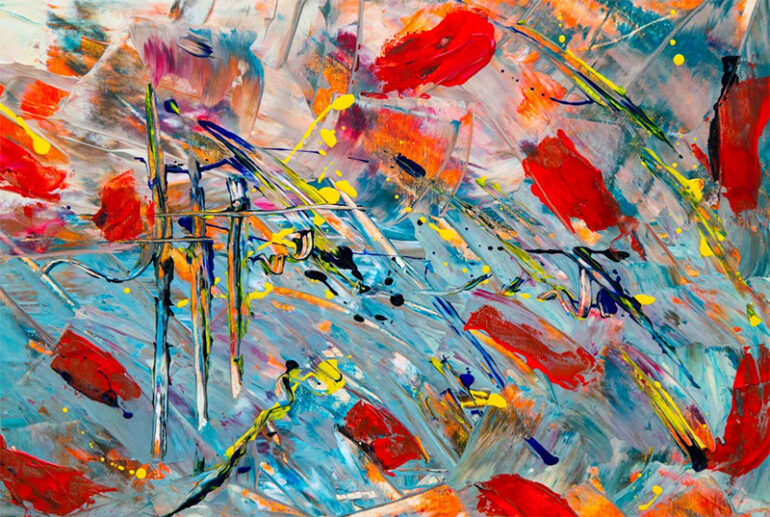
In the icy jaws of the 1940s—a world convulsing with war, technology, and a deep craving for meaning—something wild happened in American art. Painters abandoned soft landscapes and polite portraits. Instead, they attacked canvas with swipes and spills, searching for something beneath words. Their critics scoffed; their supporters cheered as if witnessing fire leap from brush to wall. Was it chaos or revelation? The old boundaries crumbled overnight. Doubt nudged against awe in every gallery. Suddenly, paint wasn’t just pigment—it was emotion made visible, raw and loud. A movement had arrived, stubborn and electric as a thunderstorm rolling in.
Breaking from Tradition
Who decided that paintings must behave? Not these iconoclasts: Pollock dancing over his canvas-draped floor; de Kooning slashing at expectations; Rothko building fields of color as endless as questions never asked. Forget about apples on tables or well-behaved faces staring back—those were relics best left behind. Here came works where form splintered into feeling itself, a process messy enough to raise eyebrows across Manhattan. Any hint of careful design vanished under layers of chance and intention colliding headlong. Art historians fumbled for categories, but every tidy label slipped away like oil on water.
The Quest for Meaning
Take one look at those canvases—what’s there? No stories spelled out in comforting letters. Just shapes yearning toward some spiritual destination nobody can quite name. These artists didn’t chase beauty for beauty’s sake; they wanted transcendence that blasted through tradition’s doors like jazz at midnight. Each brushstroke a prayer or accusation or plea—who knows which? It isn’t easy to map what’s sacred when the language is pure color and line, yet audiences keep trying anyway, peering into abstraction as if it might offer answers to riddles usually whispered in church.
Ritual on Canvas
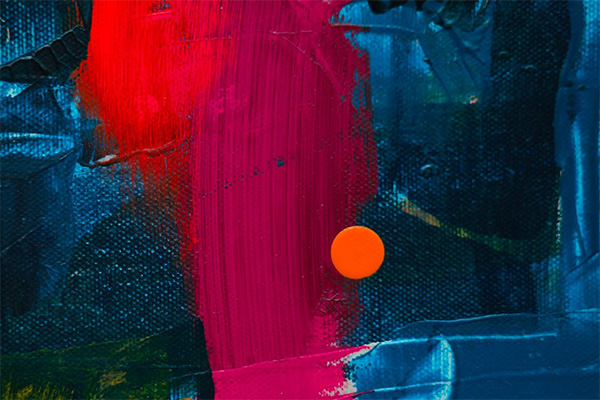
This movement wasn’t only about final images but also about rituals performed in studios thick with turpentine fumes and silence heavy enough to break windows. Picture Pollock: circling his work on the floor like an acolyte around an altar—not painting but conjuring something urgent from the ether itself. Viewers stand before these results not as casual observers but almost as worshippers at a rite both intimate and public—a space where uncertainty rules but meaning sometimes flashes bright enough to catch breath short.
Transformation by Abandonment
By letting go of precision—by tossing out everything safe—the painters found something closer to transformation than perfection ever allowed. Spirituality didn’t emerge from control here but from surrender: letting instinct take over until all that remains is honesty between painter and paint—or maybe even between viewer and whatever truth flickers behind that tangle of marks. The very act of abandoning old forms became its own quiet revolution, replacing answers with possibilities so sharp they leave minds humming for days after leaving the gallery.
These artists kicked open a door no one realized had been locked tight for centuries—the door to direct expression without apology or filter. What remains today isn’t just wild bursts of color frozen in paint; it’s evidence that human longing can overflow any boundaries set by custom or comfort zones defined years ago by someone else entirely. That hunger still echoes every time someone stands transfixed before a canvas daring enough to feel instead of explain—and leaves changed by what wasn’t said aloud but felt all the same.
Photo Attribution:
1st & featured image by https://www.pexels.com/photo/multicolored-abstract-painting-1266808/
2nd image by https://www.pexels.com/photo/abstract-painting-1145720/

