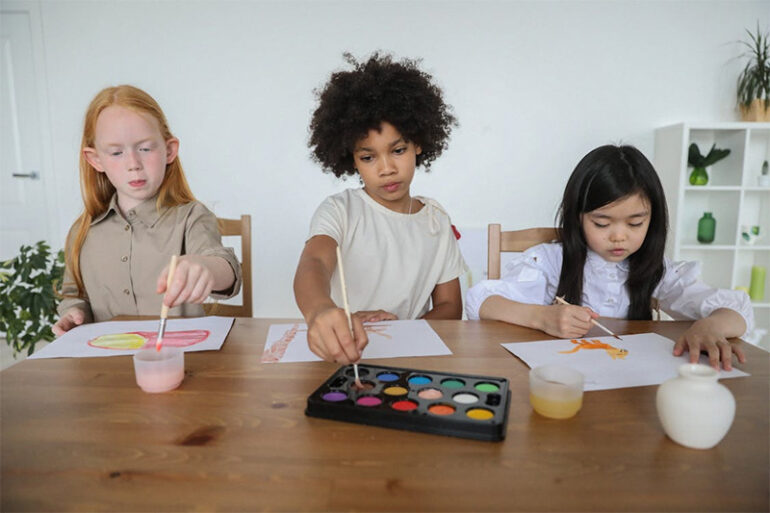
Watercolor painting. A pursuit that looks so simple from the outside, just add water, right? Yet, as any halfway-serious observer will see, there’s more beneath the surface than pretty washes or Pinterest-worthy florals. The reality: success comes down to the right tools, a few technical truths, and, let’s not kid ourselves, a willingness to make beautiful messes. Beginners often get tripped up by expectations of instant magic. It doesn’t work that way. There are tricks, but no shortcuts. Embracing imperfection is step one; a little chaos isn’t simply acceptable, it’s required. The result: learning both patience and unpredictability, possibly in equal measure.
Essential Tools and Materials
The uninformed spend hours in art stores agonizing over endless displays of paint tubes and mysterious papers. Nonsense. Skip the overwhelm. Only three items matter at first: student-grade paints (no need for 72 colors), decent brushes (one round, one flat), and real watercolor paper (skip printer paper). Quality trumps quantity; bad paper guarantees frustration faster than anything else. Avoid bargain brushes, those lose bristles like a cat in summer. For palettes? An old plate works fine. Forget expensive extras: masking tape, two jars of water, paper towels, that’s it for now. Mastery doesn’t arrive through gadgets or gimmicks. It walks in quietly with reliable essentials.
Understanding Water Control
Ask anyone skilled with watercolors, the secret lies in water itself, not just pigment. Too much water? Puddles run wild across the page and erase all control; too little reduces everything to unsatisfying streaks and dullness. True technique means recognizing this balance isn’t learned overnight, muscle memory grows from watching blooms spread or sharp edges hold firm only after enough trial runs to fill a recycling bin with practice sheets nobody ever sees again. Enthusiasm for accidents helps; happy mistakes reveal what formal tutorials can’t teach in words alone. In every unexpected edge lives a small lesson about restraint, or daring.
Basic Techniques Worth Knowing
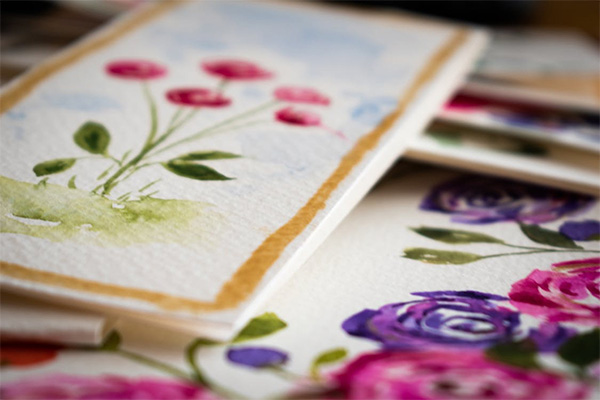
Color mixing gets all the hype online but ignore show-offs swirling thirty shades on a single palette, the real foundation is simpler: wet-on-wet and wet-on-dry techniques form the backbone of every great piece beginners hope to make someday soon. Wet paint on wet paper bleeds into dreamy gradients; on dry surfaces it obeys boundaries for crisp lines, all without digital shortcuts or undo buttons in sight! Practice little gradient strips alongside tiny color swatches instead of diving into “masterpieces” straight away; confidence springs from doing things small before they scale up big.
Mistakes Are Gold
Perfectionists rarely last long here because each stroke carries risk, watercolor rewards boldness but laughs at attempts to erase missteps completely away (erasers won’t save you today). Smudges morph into clouds or shadowy corners; runaway colors inspire odd details later on that become happy surprises instead of failures written off as wasted effort. No artist escapes awkward layers or muddied waters early on, the winners are those willing to let errors breathe rather than cover everything up in frustration or shame.
Nobody told Leonardo da Vinci his first washes would impress anyone, and this remains true centuries later for everyone with trembling hands clutching their initial brush set today. Every vibrant flower painted by an expert began as hesitant shapes made by someone finding their way around soggy pages and stubborn pigments refusing to cooperate at first tryouts. Growth depends less on talent than coming back again after drying out yesterday’s unfinished works, and seeing potential where others might bin it outright.
Photo Attribution:
1st & featured image by https://www.pexels.com/photo/talented-diverse-little-girls-painting-on-papers-with-watercolors-while-sitting-together-at-table-5063475/
2nd image by https://www.pexels.com/photo/close-up-photograph-of-painting-of-flowers-6932795/

