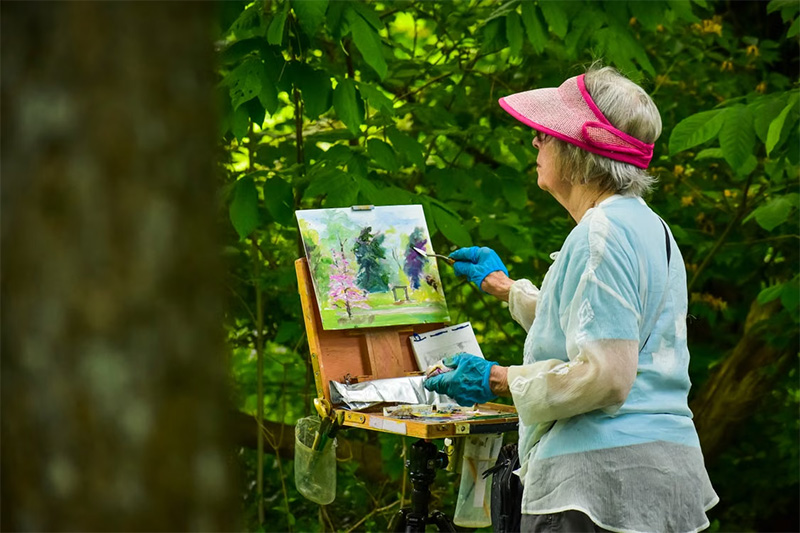
Popularity in art rarely lasts by accident. Trends flare up, critics chatter, and then sink into yesterday’s clutter. Yet scenes of mountains, rivers, fields, storms, and coastlines keep drawing people back. That matters. It shows that this kind of painting still answers a need. Screens dominate attention. Cities crowd the senses. Work turns time into a blur of alerts and tasks. Against that pressure, painted views of nature offer something plain and powerful. They slow the eye. They restore scale. They remind people that the world existed before the inbox and will continue after. Human beings still crave space, weather, distance, and comfort from land that asks nothing.
A Pause From Noise
Modern life runs on interruption. Phones chirp. News flashes. Advertising shouts from every direction. Attention gets chopped into tiny pieces. A painted scene of open country or a quiet shoreline moves the other way. It doesn’t beg for clicks. It invites lingering. That difference explains a great deal. People don’t admire these works only because they look pleasant. They admire them because the paintings create a mental clearing. A room with a strong view of land on the wall often feels calmer and less cramped. Strange, and true.
Nature, Reframed
No camera has replaced the painter’s eye. A photograph records surfaces with speed. A painter selects, edits, exaggerates, and compresses. Clouds can gather more drama. A field can hold more tenderness. This isn’t deception. It’s interpretation, and interpretation gives a place emotional weight. Viewers aren’t just looking for a record of location. They want a version of the world shaped by feeling and judgment. The old claim that painting died when photography arrived missed the point. Painting kept its purpose because machines can’t match a human decision about what in nature matters most.
Memory on the Wall
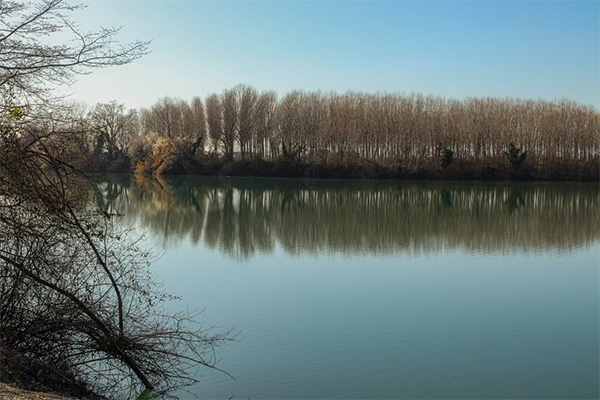
People attach memory to place with unusual force. A bend in a road, late light on a lake, dry grass beyond a fence, fog over hills at dawn. These details stay in the mind for years. Landscape art taps directly into that habit. A viewer may never have visited the exact valley in the painting, yet the image still stirs recognition. It can call up childhood trips, family farms, beach walks, or quiet moments near water. This gives the form lasting power. It doesn’t need a famous face or a dramatic event to carry meaning. The land does the work and leaves room for private memory to enter.
Old Genre, New Anxiety
The current age talks constantly about climate, development, fire, drought, and loss. That context has given painted views of nature fresh force. A mountain scene no longer reads as simple decoration. It can carry grief, warning, or reverence. A coastal image may show beauty while also hint at fragility. Here lies a sharp irony. One of the oldest forms in painting feels current because the world has made land unstable again in the public imagination. People sense that what looks permanent may not remain. To paint a place can mean honoring it. To value such a work can mean admitting that beauty feels worth defending, not merely admiring.
This popularity endures because the form does several jobs at once. It offers rest in a noisy culture. It turns scenery into meaning. It awakens memory with remarkable ease. It also speaks to modern fears about what nature is losing under human pressure. Few artistic forms carry that much range while seeming accessible. A good painted view of land isn’t empty. It’s full of choices about light, scale, mood, and time. More than that, it answers a hunger that technology keeps intensifying rather than curing. People still want reminders of distance, season, weather, and silence.
Photo Attribution:
1st & featured image by https://www.pexels.com/photo/a-woman-painting-on-canvass-8094964/
2nd image by https://www.pexels.com/photo/tranquil-winter-lake-with-tree-reflection-31104124/

