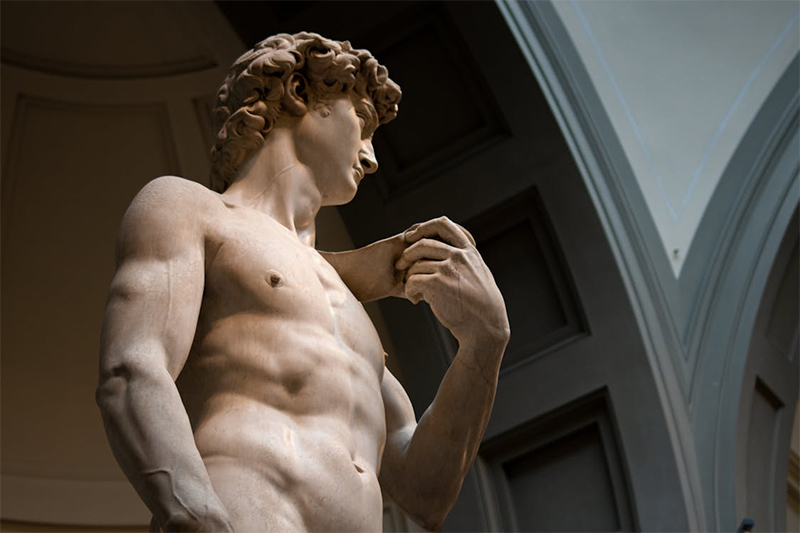
History teachers like to pretend change arrives on schedule, with neat dates and tidy causes. Nonsense. Change barges in through side doors. Painters in dusty workshops did more to rearrange thought than many kings or clerics combined. Pigments, brushes, and cheap wooden panels became tools that cracked open the Middle Ages from within. Perspective lines sliced into flat space. Human bodies looked solid again, heavy, flawed, believable. Once viewers saw saints with muscles and wrinkles, heavenly perfection started to look strangely human and reachable. That shift in seeing rewired how people thought.
Teaching Europe How To See Space
Before those workshop radicals, pictures felt like stickers on a wall. Pretty, holy, flat. Then Brunelleschi plays with mirrors and architecture, and painters steal the trick eagerly. Linear perspective storms in. Suddenly a street narrows into the distance. Floors line up. People shrink as they step back. Space turns into something measurable and predictable. That sounds dry. It shook minds. Because if space obeys rules, then nature might obey rules too. Geometry crawls off the page into science, engineering, city planning. A painted room quietly trains Europe to think in grids and systems.
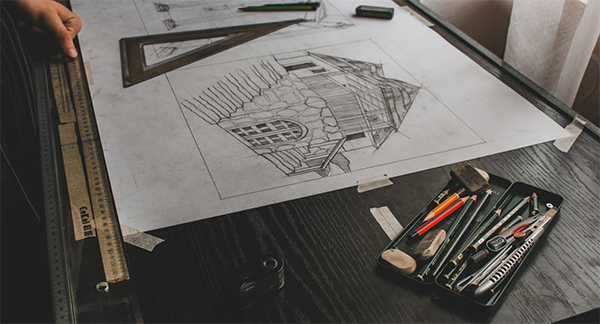
Making Humans The Main Event
Medieval altarpieces usually treated humans like labels for halos. Faces repeated. Bodies stiffened. Then Renaissance artists stare at live models, dissect corpses, argue over muscles and bones. The human figure becomes a problem to solve. Suddenly Mary looks tired from holding a heavy child. A banker smirks with private arrogance. Individuality sneaks into sacred scenes. That shift does something corrosive to blind obedience. If every person has a specific face, gesture, mood, then every person might have a specific value, story, and dignity. Humanism marches in wearing oil paint instead of armor or law codes.
Art As Science In Disguise
Painters never stayed in their lane. One sketchbook page shows a flying machine. The next, a skull in cross section. Color mixing turns into chemistry. Chiaroscuro turns into an experiment on how light wraps around objects. When artists chase realism, they collect data from the world. That habit breeds a new culture. Test. Observe. Adjust. Repeat. Call it art and nobody panics or censors. Later the same mindset births telescopes, anatomical theaters, printed diagrams, technical manuals. The laboratory grows out of the studio, wearing the same ink stains on its fingers and the same stubborn curiosity.
Images As Weapons Of Power
Renaissance patrons understood something modern politicians still fear. Whoever controls images controls stories. Popes hire Michelangelo to cover ceilings with painted theology. Merchant princes demand portraits that shout wealth and learning. These pictures do not just flatter. They rewrite social rank. A banker wrapped in velvet beside a marble column suddenly looks as important as any duke or general. That visual upgrade helps finance rise. It also teaches the public to read coded signals in clothes, poses, settings. Visual propaganda moves from church walls into civic life, courts, and markets, then quietly stays there.
Museums now quarantine these works behind glass, as if they belong to a distant species. That tricks viewers. The real shock lies not in marble muscles or soft sfumato. It lies in habits of thought those images smuggled into daily life. Measure the world. Question tradition. Treat individuals as worth careful depiction. Use pictures to argue, not just to decorate or soothe. Modern advertising, cinema, political posters, even social media filters lean on tricks born in those studios. The world still thinks with Renaissance eyes, often without noticing or admitting it.
Photo Attribution:
1st & featured image by https://www.pexels.com/photo/low-angle-shot-of-man-sculpture-4046386/
2nd image by https://www.pexels.com/photo/sktetch-of-a-building-design-on-the-desk-17115287/

