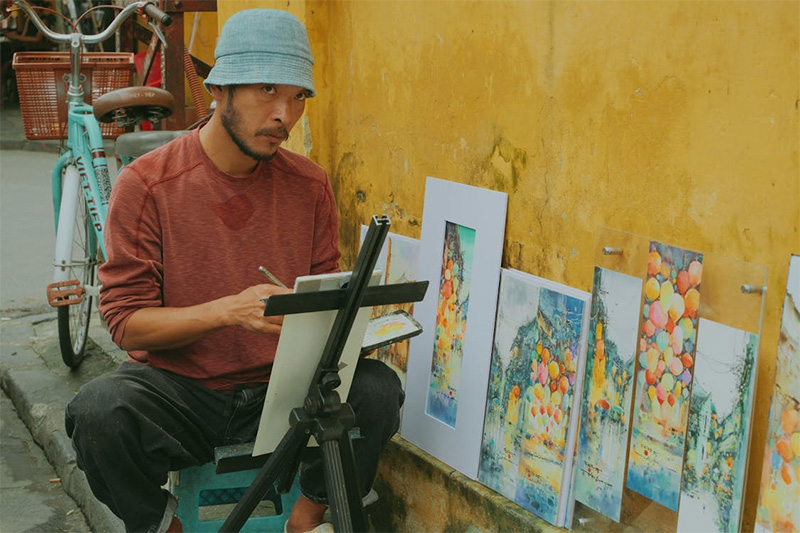
Every artist starts in the same awkward place: copying what already exists and secretly hoping it turns into something new. Style looks mysterious from the outside, like some rare gene that only a few lucky people receive at birth. In reality, it grows from hundreds of small choices, many of them messy and inconvenient. The inescapable truth is simple. No one hands out style. It emerges when an artist stops asking for permission and starts paying attention to personal taste, habits, and obsessions. That process isn’t quick, and it isn’t tidy, but it’s completely within reach for anyone who stays curious and keeps working.
Study, Steal, Then Twist
Every distinct style stands on a pile of borrowed ideas. Artists who pretend otherwise bluff. The smart move looks different: study favorite painters, illustrators, photographers, and designers with ruthless focus. What exactly makes their work hit so hard? The color choices. The way they simplify shapes. The way they ignore certain details on purpose. Steal specific techniques, not the whole picture. Then twist them. Change the subject, the palette, the tools, the scale. Mix influences that normally don’t belong together, like fashion sketches with technical diagrams. Over time, the mix turns strange. That strangeness begins to look like a signature, not an accident.
Set Tight Limits, Then Push
Artists often chase freedom by adding more: more brushes, more colors, more references, more tools. That usually muddies everything. A sharper path uses limits. One sketchbook. One brush. Two or three colors. One subject for a month, maybe just hands or city rooftops. The brain stops juggling options and starts refining decisions inside that box. Lines get quicker. Shapes get bolder. Repeated problems reveal personal shortcuts and preferences. Those shortcuts harden into style. Then the limits shift. Add a new color, a different subject, a new surface. The style bends but doesn’t break, because the core choices already settled into place through repetition and constraint.
Listen to Boredom and Obsession
Style doesn’t grow from what an artist thinks should be interesting. It grows from what refuses to let go. Certain subjects keep returning: old buildings, strange faces, plants, sneakers, tangled cables. Certain moves keep showing up too: heavy outlines, flat shadows, tiny patterns, distorted proportions. Boredom speaks just as loudly. If a drawing feels dead while it’s in progress, that’s data. Drop that approach. Stop forcing trends that don’t feel natural, even if they look good on social media. Follow the work that sparks a small jolt of energy, even when it looks odd or imperfect. That tension between boredom and obsession quietly shapes a personal visual language.
Share the Messy Drafts
Style doesn’t develop in a vacuum. It sharpens in contact with other eyes. Share sketches, not just polished pieces. Post process shots, failed experiments, awkward color tests. Patterns appear faster when the work leaves the studio. People respond to certain pieces with unusual energy or specific comments. Pay attention. That reaction doesn’t define style, but it points toward what already feels alive. Honest feedback from trusted artists matters even more. Ask what stands out, what looks generic, what feels strongest. Then ignore compliments that only praise perfection. The goal isn’t flawless technique. The goal is recognizable character, even when the lines wobble and the colors misbehave a little.
Style turns out to be less like a destination and more like a moving target. It shifts as skills improve, tastes change, and life throws new problems into the studio. That’s not a flaw in the process. That’s the process. An artist who keeps studying influences, setting limits, tracking obsessions, and sharing the messy middle naturally develops a clear voice over time. The work starts to look consistent even when the subject changes. The inescapable conclusion: style doesn’t arrive through waiting or wishing. It arrives through deliberate practice, honest curiosity, and a long series of small, stubborn choices.
Photo Attribution:
1st & featured image by https://www.pexels.com/photo/street-artist-painting-in-h-i-an-vietnam-35427820/
2nd image by https://www.pexels.com/photo/thoughtful-man-gazing-out-a-window-indoors-35359113/

