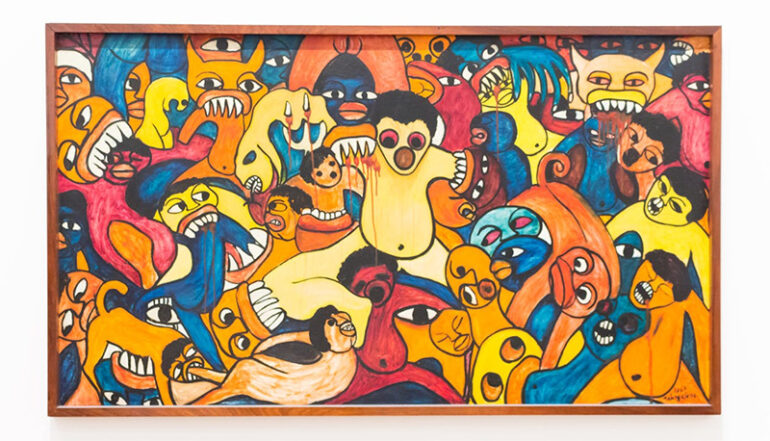
In the last decade, galleries have started hanging canvases that would’ve seemed suspiciously old-fashioned twenty years ago. Brush in hand, artists are once again snapping their attention to faces, hands, bodies—a shift from the abstractions and conceptual games that dominated late twentieth-century studios. Clearly something’s shifted. What changed? The market? Audience taste? Or perhaps some deep longing never fully satisfied by irony and minimalism. Whispers echo through classrooms: painting never died; it just waited for its next act. Step into any major art fair and the evidence is overwhelming—portraiture reclaims wall space once ceded to installations made of neon tubing and actual garbage.
Back to Basics, But Never Backward
Ignore anyone who claims this movement is nostalgia in oil paint—the facts disagree. Artists aren’t just playing dress-up with history’s styles; they’re recoding them. Walk through a contemporary show and find a portrait rendered with uncanny precision: every pore, every glint of light on an eyelid, announced without apology. It isn’t all tight realism, though—there’s abstraction smuggled into shadows if you look close enough. Yes, digital culture should have killed this off by now, but instead it convinced artists they’d better know exactly what their ancestors knew—and then flip it upside down.
The Magnetism of Human Faces
Scan museum-goers’ faces as they stop before these new works; one can practically watch memories fire behind their eyes. After decades spent pushing boundaries outward—toward the weirdest media possible—the pendulum swings inward again. People crave recognition: not in the “Instagram likes” sense but in bone-deep familiarity with another person’s presence on canvas. These portraits do not flatter; sometimes they scowl or glare back at the viewer as if annoyed by all that attention. That honesty wins trust—and maybe stirs discomfort too, which is part of why nobody can look away.
No Shortage of Voices
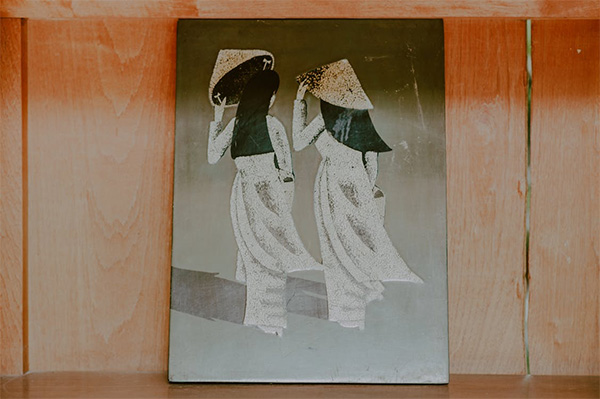
Here comes the real surprise: figurative painting today isn’t monopolized by any school or region—it’s sprawling across continents and backgrounds like wildfire in dry brushland. Self-taught painters hang alongside those with pedigrees from elite academies; influences bounce between Lagos, Los Angeles, Seoul. Some artists dig into identity politics with raw brushstrokes while others build careful quiet scenes that dare viewers to slow down for more than a passing glance. The medium might be ancient but its languages keep multiplying—no gatekeepers telling anyone to stay inside invisible lines.
Money Talks (But Not Louder Than Vision)
Auction houses trip over themselves chasing these canvases as collectors step up with checkbooks ready—and yet commercial success hasn’t dulled ambition here at all. In fact, there’s stubborn risk-taking at the core: big topics tackled head-on (race, gender fluidity, climate anxieties), surfaces scraped thin until meaning leaks out in streaks of color or pauses between figures’ gazes. Galleries could demand safe bets—it’d be easy—but buyers hunger for audacity too now and again; perhaps only painting offers so direct a confrontation between creator and spectator.
What’s clear now—the rush toward figuration never really left the picture frame for good; it hibernated until culture needed its clarity again. Every painted eye that meets a viewer locks them into questions no algorithm can answer: Who are we looking at? Why does this hit such nerves? Viewers won’t get neat answers—not from these artists anyway—but fresh energy charges every brushstroke today nonetheless. Real conversation happens here if people pause long enough to actually see what stands before them.
Photo Attribution:
1st & featured image by https://www.pexels.com/photo/multicolored-abstract-painting-with-brown-frame-310436/
2nd image by https://www.pexels.com/photo/painting-of-two-women-wearing-hats-1629181/

