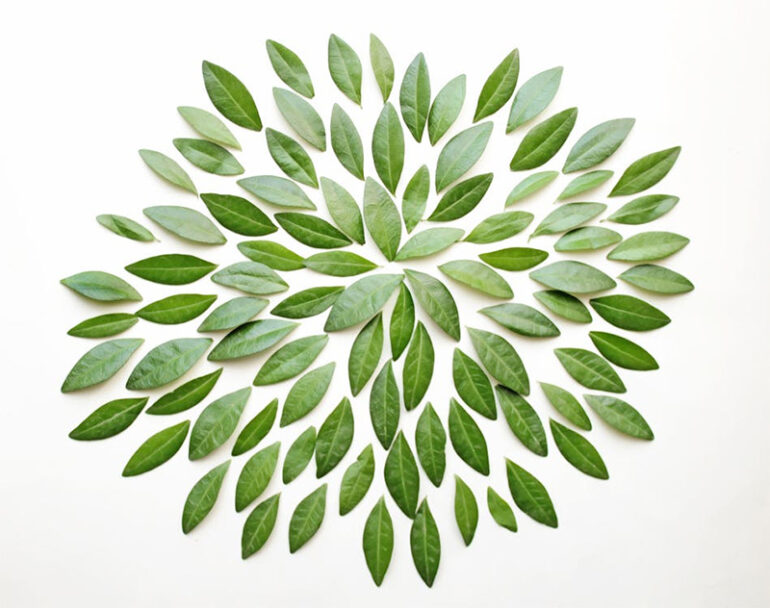
The art world isn’t just waking up—it’s throwing off the covers and sprinting straight into a new era. Suddenly, eco-friendly practices have become more than a novelty; they’re climbing toward necessity. Sculptors trade resin for reclaimed scrap metal. Painters toy with pigments from kitchen leftovers—spinach and coffee! The results? Eye-opening, sometimes even jarring. So what pulls these artists forward? It isn’t just politics or guilt. Something bigger is at play—a collective experiment in making beauty without damage. The aim is clear: prove that creativity doesn’t have to leave scars on the planet, only impressions in the mind.
Materials Rewrite the Story
No one’s talking about nan anymore; that conversation has moved on to materials with purpose. Once, artists reached for convenience—cheap plastics, synthetic paints loaded with chemicals that lingered long after exhibitions closed. Those days are under scrutiny now. Recycled glass sparkles where new would once dominate; clay scavenged from construction sites brings honesty to sculpture like never before. Even canvas gets an upgrade: organic cotton straight out of small farms replaces standard mass-produced stock. Every choice counts here, right down to biodegradable tape holding frames together behind the scenes. Waste gets repurposed instead of tossed aside—a quiet rebellion happening one brushstroke, one found object at a time.
Innovation over Tradition
Conventional wisdom said art had rules—the kind written by gatekeepers in musty studios decades ago—and breaking them could mean exile from serious circles. Yet something changed when environmental concerns crashed into those studios like a rogue wave through unlocked doors. Now experimentation rules: solar-powered light installations glow all night without guilt, outdoor murals let rain and sun finish what humans started, digital artists embrace low-energy techniques that cut their carbon footprint without dulling vibrance or meaning. Old traditions aren’t discarded carelessly—they’re reimagined for relevance in a world that won’t slow down its demands for both progress and responsibility.
Community Drives Change
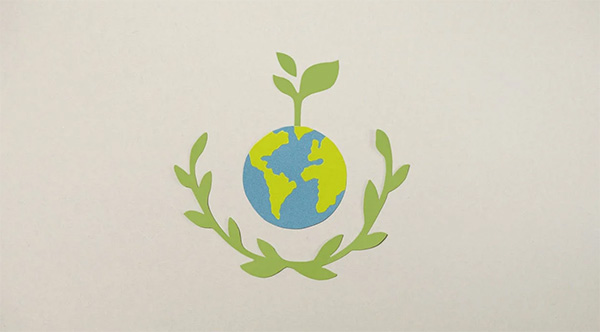
This transformation doesn’t propagate from lone geniuses working in attic rooms—it resonates outward from communities banding together around shared values and goals. Local workshops invite neighbors to transform trash into treasure side by side; public art projects teach schoolkids how sustainability can shape culture with their own hands as tools. Galleries jump onboard not out of obligation but because audiences start asking tough questions about origins and impact before opening night arrives. Social media erupts with challenges—who can create the most astonishing piece using only discarded cardboard this month? A single artist might spark interest, but it takes networks to ignite real revolutions.
Market Meets Mission
So what does all this add up to? Art shakes off its old shackles—a stubborn refusal to harm now rides alongside excitement for untested ground ahead instead of nostalgia chaining things back in place where they can’t breathe or grow new roots entirely. These efforts don’t fix every problem overnight (nothing worthwhile ever does), but momentum builds all the same: messy, loud, inspiring—a creative sector leading by stubborn example when it matters most for future generations counting on more than empty gestures or pretty words taped up on gallery walls forevermore.
Photo Attribution:
1st & featured image by https://www.pexels.com/photo/artistic-arrangement-of-green-leaves-on-white-background-32769160/
2nd image by https://www.pexels.com/photo/paper-cutouts-on-a-gray-surface-7048023/

