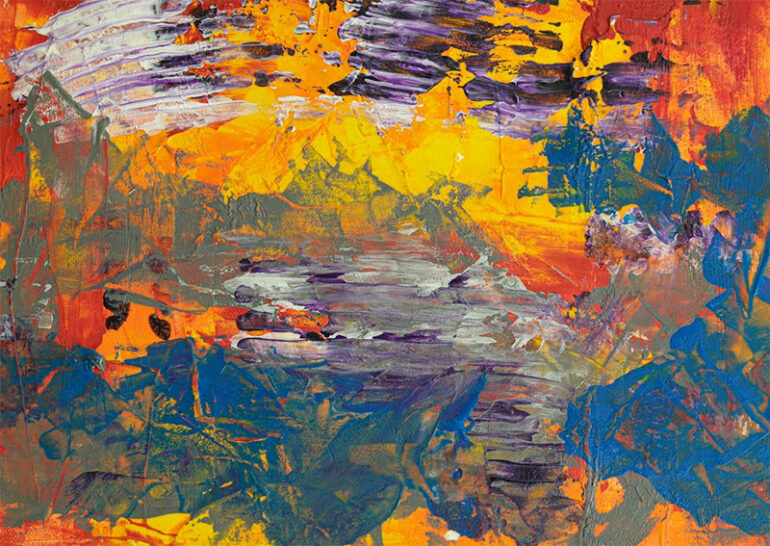
Forget everything about art school. That stifling studio silence, the endless lectures on technique, none of it prepared anyone for what exploded onto Parisian canvases in the late nineteenth century. A group of painters tossed out the manual, swapped studios for riversides and cafes. Suddenly, color danced where precision once reigned. Blurs took center stage; sharp lines became passé. Was it madness? Some critics thought so. Yet beneath that swirl of brushwork lurked a revolution, one not just about vision but about seeing itself, a direct challenge to what an image could say, and to whom.
Sunlight, Not Ceremony
Step into a Monet landscape: nothing’s posed. No grand historical moment staged under studio lights, just ordinary life shimmering by water or through trees. It’s sunlight that commands attention, not some king or saint from the past. Why chase perfect form when chasing perfect light is far more honest? Each flicker tells its own story; every patch of shadow moves with time, not tradition. What’s being painted here isn’t an object, it’s a sensation, a mood caught mid-breath as nature shifts gears around it. The old masters froze time; these rebels set it free.
Color Unleashed
The palette got loose, dangerously so! Forget blending until smoothness smothers every spark of pigment. These artists jabbed pure colors side by side and let the viewer’s eye do all the mixing work. Blues next to oranges? Scandalous back then, obvious genius now. Science said this was how vision worked anyway: tiny signals fusing inside your mind into vibrant reality. Painters realized they weren’t copying nature, they were collaborating with perception itself. Their brushstrokes shouted instead of whispered; colors bounced off each other like a city at rush hour, clashing, connecting, refusing to sit still.
Movement Over Perfection
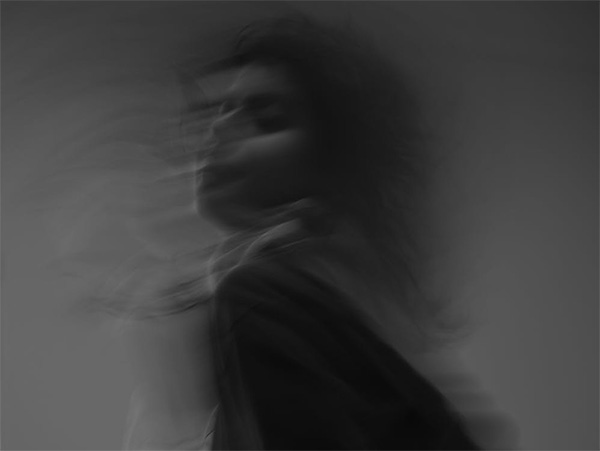
Stillness? Outdated concept. The train station painted by Monet wasn’t crisp or clear, the steam billowed right through solid objects and borders vanished in haze. Movement mattered more than detail ever could; people blurred as if caught rushing between appointments rather than standing politely for their portrait session. Critics called it sloppy nonsense at first glance, then came back for second looks (and third). Why cling to photographic accuracy when life never holds still? These new images pulsed with energy because real moments don’t wait patiently for anyone.
Rebellion as Method
Forget labels like “pretty pictures.” What these painters did was tear down boundaries between world and viewer, not merely beautify them with clever tricks or careful shading techniques from days gone by. They demanded attention be paid to experience over idealized scenes or heroic stories told in oil paint costumes centuries thick with tradition dusted across canvas edges everywhere else today yet again tomorrow always before now changed forever, because vision itself got radicalized thanks entirely (and unapologetically) to their unruly blurs and bold intentions wrapped around color and motion without apology or pause.
Ultimately, the blur was the whole point. This wasn’t a failure of technique; it was a declaration of war on the static, airless world of the salon, a manifesto written in pure color and fractured light. Impressionism ripped the canvas out of the studio and threw it straight into the chaos of modern life, trading posed perfection for the raw, fleeting truth of a single glance. It was a rebellion that argued the sensation of seeing mattered infinitely more than the object being seen, a radical idea that forced the world to stop just looking and finally start feeling.
Photo Attribution:
First and featured image by https://www.pexels.com/photo/blue-yellow-and-orange-canvas-painting-2362791/
2nd image by https://www.pexels.com/photo/blurred-picture-of-woman-moving-11730038/

