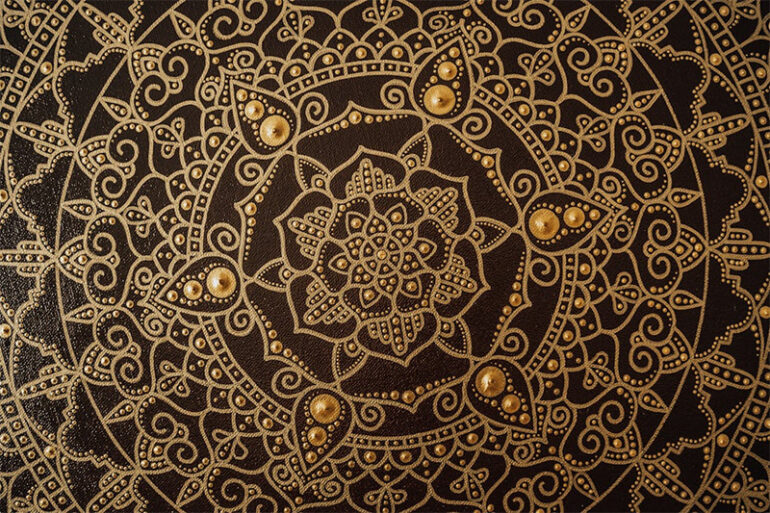
Patterns at the heart of everything, this is the claim, bold and yet oddly comforting. Some say it’s wishful thinking, others call it mathematics. The mandala, ancient and ever-new, stands right in the crossfire. Sacred geometry isn’t just chalk on a blackboard or designs in sand; it’s a kind of code that cultures from Tibet to Mexico have read for centuries. No bored repetition here. Instead, vibrant order dancing inside chaos. Symmetry in spirals. Complexity hidden in circles and grids. It isn’t just pretty decoration; something deeper calls from behind those lines. There’s meaning tucked into every curve and corner.
Circle Within a Square, Symbols Layered
Why circles? Why squares? Mystics obsessed over these shapes long before anyone had words for “geometry.” A circle refuses to end, a symbol of totality, wholeness, cycles that wrap back around with stubborn insistence. Drop that inside a square, and suddenly there’s stability holding up all that endless movement. It’s everywhere: temple floors tiled in concentric rings locked within four walls, stained-glass windows radiating outward but anchored by corners. The message isn’t subtle, the universe likes balance and tension all at once. What this signals is no accident: people crave meaning wrapped safely inside boundaries.
Tools of Construction, Compass, String, Imagination
Not fancy technology, just simple tools taken seriously can create cosmic statements on rice grains or monastery walls alike. A stick tied to a string scratches circles into wet clay; monks dust colored sand into patterns so intricate one sneeze would wreck hours of labor (but nobody worries, they’ll sweep it up anyway). These aren’t mindless exercises; they’re rituals meant to focus attention until even distraction feels holy somehow. Imagine the discipline required: each line measured twice but drawn once with intent sharper than any blade could hope for.
Cultural Crossroads, East Meets West
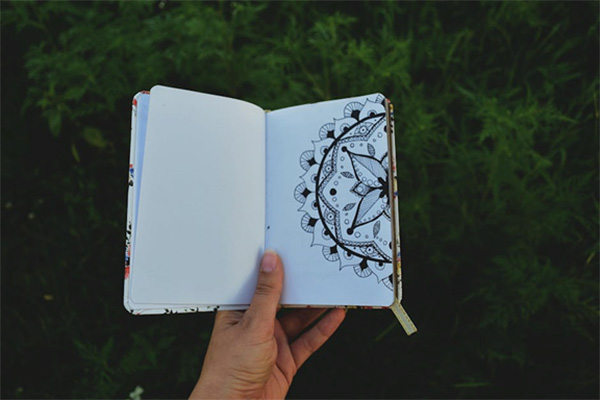
Tibetans draw mandalas while chanting softly; medieval Christians carve rose windows above cathedral doors as sunlight pours through like liquid gold. Native artists scratch turtle shells with similar wheels-within-wheels, the language changes but not the grammar underneath it all! What emerges every time? Shared awe toward structure hiding right beneath surface chaos. Don’t look for copyright marks or signatures here; everyone borrows from everyone else because truth keeps circling back to that same center point no matter what continent claims discovery first.
Modern Echoes, Meditation and Mental Maps
Now cue the psychologists with their inkblots and coloring books promising stress relief in neat geometric packages! Corporate offices hang posters hoping symmetry might impose calm on caffeine-fueled minds hustling through cubicle mazes. This isn’t nostalgia, it’s adaptation: old forms recharging modern batteries without apology or shame about borrowing sacred tricks for secular ease. Groan if you must at adult coloring trends but don’t ignore what doctors now admit out loud, the mind leans toward order whenever disorder knocks too loud.
Step back far enough and patterns leap out, all spirals nested inside lattices stretching beyond eyesight or comprehension itself. Ignore legends about magic powers if you want; what remains stands stubbornly clear anyway: beauty rooted in logic, creativity blooming where rule meets freedom right at some mysterious middle point. People keep returning to such diagrams not out of superstition but instinct, a need to see order peeking out from behind disorder’s mask again and again. Sacred geometry draws its power not from myth alone but from the unshakable human desire for connection through shape, number, rhythm, and wonder never quite goes extinct.
Photo Attribution:
1st & featured image by https://www.pexels.com/photo/close-up-shot-of-a-mandala-painting-7182162/
2nd image by https://www.pexels.com/photo/person-holding-open-book-with-floral-drawing-1610992/

