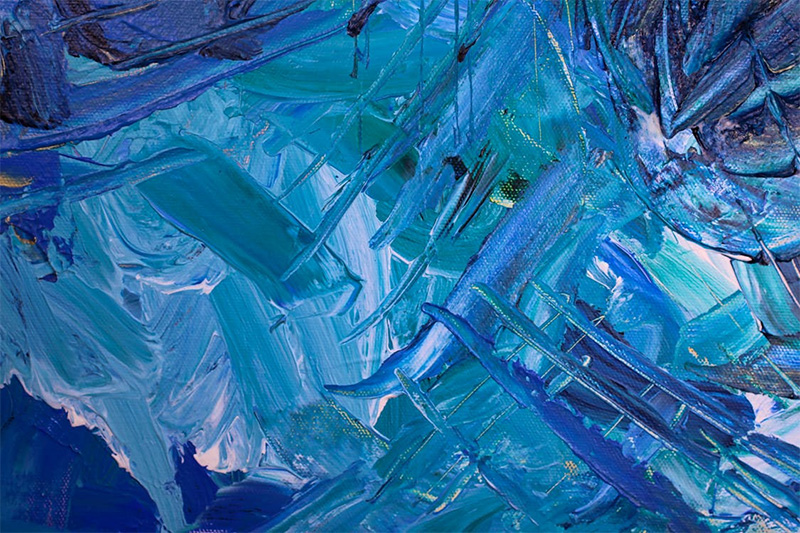
Once, a man stared at a blank canvas in a crowded gallery and muttered, “What am I supposed to see here?” Those words echo through every museum hallway where abstraction hangs. Some scoff. Others look lost, or worse, bored. Yet critics will practically burst into applause over canvases with nothing but splashes of color or shapes that refuse to resemble anything in the known world. Why does art shed its skin of realism? There’s no simple answer. Easy answers reek of dishonesty anyway. The heart of it all: meaning doesn’t announce itself with trumpets, it whispers, demands effort, delights in making people wonder.
Lost and Found: Navigating First Impressions
Disorientation hits fast when facing abstraction for the first time. Eyes dart for clues, a face, a tree, some recognizable object, and come up empty. Panic is common; so is rejection. But that initial confusion signals something valuable: freedom from expectation. Without an obvious narrative or image to lean on, interpretation breaks wide open. Suddenly it’s possible for two viewers to find entirely different stories swirling within the same set of lines and colors. Is that chaos? Hardly, more like opportunity dressed as disorder, inviting closer looks and bolder questions about what matters most to each beholder.
Intent Versus Interpretation
Some artists claim absolute control over meaning; others toss their intent aside like yesterday’s newsprint once the paint dries. In abstraction, authorial intent often gets left behind at the studio door anyway, who can say if those jagged blue streaks were meant as heartbreak or hope? At some point, interpretation leaves the artist’s hands entirely and takes refuge with anyone willing to engage. Meaning slips out from under strict definitions and sidesteps lectures on symbolism. Really, it thrives when left unfinished, open for argument, shaped by experience instead of dogma.
Emotion Over Explanation
Ignore experts who demand detailed explanations before feeling something real in front of abstract work, they miss the point by several light years. Color operates like music here: chords ring out without lyrics; emotions arise with little warning or structure. Sometimes one painting quietly unsettles while another blasts happiness across the room with neon confidence; logic plays catch-up at best. This bypasses traditional storytelling completely, the conversation jumps straight past language into sensation itself, and if that sounds vague or unscientific…well, welcome to humanity.
The Value of Not Knowing

Craving clarity is natural; living with ambiguity takes real discipline (and maybe a bit of stubbornness). Abstract art refuses handholding, no maps given, and asks only curiosity in return. That discomfort isn’t failure; it’s fuel for real engagement and growth well beyond aesthetics alone. Viewers who approach uncertainty as invitation rather than threat stand to gain insight not just about art but about themselves: values revealed in preferences chosen freely rather than dictated by consensus or tradition.
Any search for meaning runs up against walls eventually, but staring down abstraction reveals new doors where walls used to be. A painting void of concrete subject matter never abandons connection altogether; it shifts responsibility onto those who stand before it either lost or thrilled (sometimes both). Far from pointless puzzles, these works become mirrors, strange ones, for anxieties and joys alike. In refusing easy comfort they push everyone closer toward genuine involvement: not just seeing but participating in what unfolds on canvas…and maybe outside the gallery too.
Photo Attribution:
1st & featured image by https://www.pexels.com/photo/blue-painting-1292998/
2nd image by https://www.pexels.com/photo/multicolored-abstract-painting-1509534/

