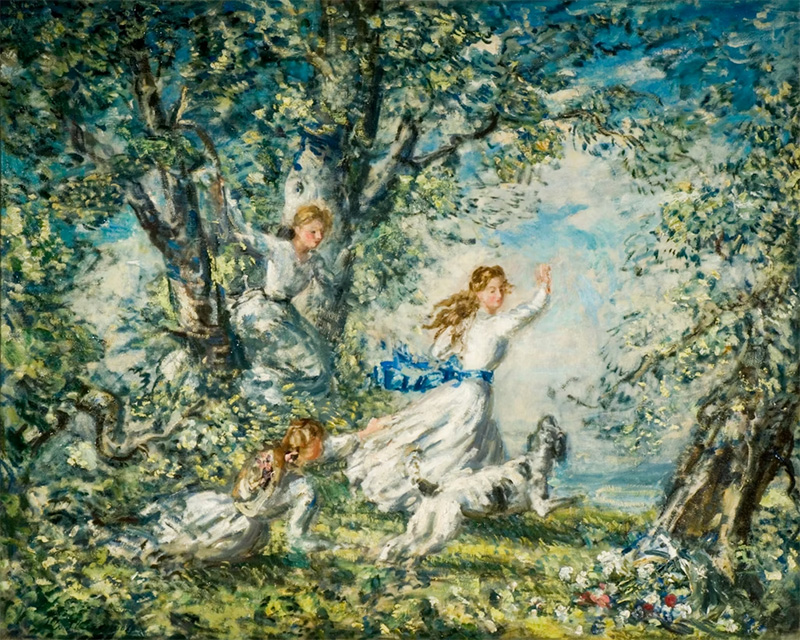
Paris, 1870s. Picture the cafés brimful of cigarette smoke and gossip, art students everywhere, peeling open portfolios and holding forth about brilliance and disaster. In these salons, polite society decided what counted as good taste. Then a handful of painters started breaking rules: colors unblended, brushstrokes wild, subjects suspiciously ordinary. Not everyone cheered. Certainly not the gatekeepers with their velvet gloves and pointed noses. The backlash? Ferocious. One wonders, what made this movement such a lightning rod for outrage? It wasn’t just stubborn tradition at play; it was panic over a world shifting fast under polished boots and corseted bodices.
Shocking Color Offends Tradition
Step into a grand salon where gray shadows rule and muted tones signal sophistication. Here comes Monet with a sun so orange it almost bites the eye, a scandal! Critics saw these dazzling spots of color as vulgar chaos rather than genius rebellion. Traditionalists clung to their careful palettes; anything outside that neat box looked childish or lazy, not revolutionary. To paint light itself, raw and shimmering? Absurd! That first glimpse of Impressionist canvases sent shockwaves through critics who believed art should imitate reality as closely as possible, every blade of grass painted in its exact shade or nothing at all.
Blurred Lines Confuse Expectations
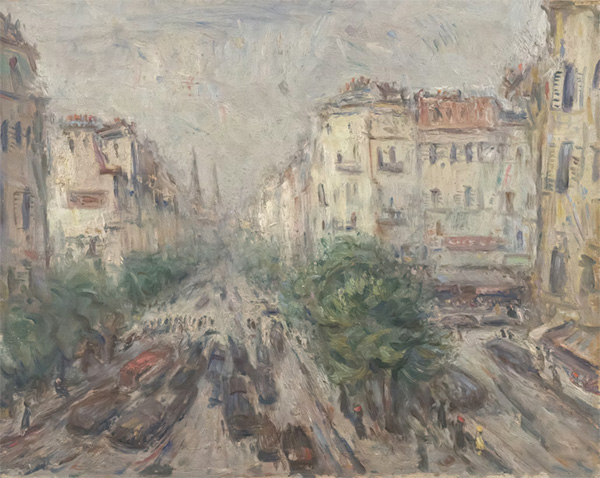
Sharp lines meant mastery, or so the thinking went among the self-appointed arbiters of taste. Along came Degas and Renoir with bold, visible strokes that left edges uncertain on purpose. This looseness didn’t shout “skill.” It whispered “unfinished.” The establishment groaned, isn’t art about perfecting, not rushing? So many critics mistook energy for sloppiness because they demanded clarity in everything: figures defined down to each eyelash, landscapes snapping into precise focus like a newly cleaned windowpane. The Impressionists weren’t blurring just boundaries on canvas; they were erasing expectations built generation after generation.
Unorthodox Subjects Upset Elites
Paintings ought to show heroes or gods, not street scenes packed with working people buying fish or girls dancing at seedy nightclubs (never mind those scandalous picnics!). Suddenly all manner of everyday life showed up on gallery walls: bridges, trains chugging past factories, women lounging in gardens without mythical cover stories attached to them. This wasn’t considered uplifting beauty; it was modernity intruding where history once reigned supreme. Critics bristled, where had dignity gone? To show real life felt almost disrespectful to centuries spent exalting legends carved in marble and painted in gold leaf.
The Power Structures Dig In
Art buyers held sway, and they preferred what already matched their living rooms’ wallpaper patterns or family crests above mantels. When new ideas threaten old money’s comfort zone, friction becomes inevitable. Prominent critics doubled down on insults (“the work of madmen!”), hoping ridicule would keep restless innovation from gaining traction among patrons who paid the bills. There’s no denying it, the thunderous rejection from above stemmed less from genuine confusion than fear that power might slip away if anyone could disrupt carefully protected tastes with wild new visions.
In hindsight? Resistance looks narrow-minded, almost laughable now that water lilies hang revered in museums worldwide, but panic makes sense when change crashes through gilded doors so fast nobody recognizes what’s valuable anymore. Sometimes creative revolutions don’t announce themselves politely; they stampede until even the most skeptical observer can’t ignore them anymore because time itself has declared their victory unavoidable.
Photo Attribution:
1st & featured image by https://unsplash.com/photos/a-painting-of-two-girls-and-a-dog-in-a-forest-5F3u0j6s6pM
2nd image by https://unsplash.com/photos/a-painting-of-a-city-street-filled-with-traffic-mJ0v2rdjNis

