Paint hits canvas; history flinches. A tall, awkward man stalks around a horizontal surface, swinging enamel like a conductor with a nervous system made of wire. And suddenly, painting stops pretending to be a window and starts acting like an event. People still complain, of course. They call it mess, accident, chaos. But the eye doesn’t care about their complaints; it races along those lines like a kid on power lines of color. Something raw hums there, louder than polite composition, and it refuses to quiet down.
Painting Turned Into a Verb
Before those famous floors in that Long Island barn, painting behaved like furniture: upright, obedient, proper. Then the canvas went flat, and the game changed. And the act of painting stopped hiding behind finished images. Every drip, fling, and skid turned into evidence of motion. So the line no longer described an object; it recorded a gesture. This shifted art from depiction to performance. Viewers stopped asking, “What does it show?” and started asking, “What happened here?” That question still scares traditionalists stiff, because it exposes how timid earlier habits of looking had become.
Chaos That Follows Rules
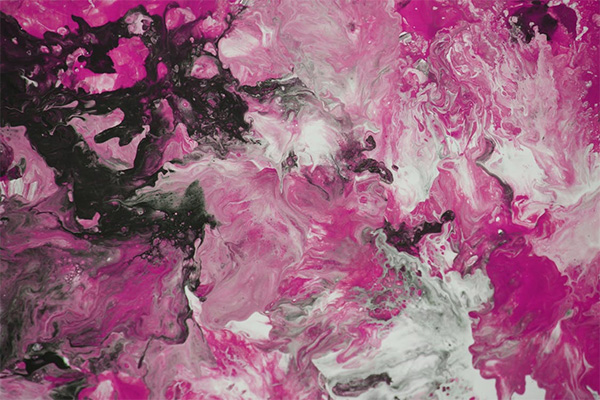
At first glance, those surfaces look like panic attacks in paint. But look longer and the eye starts noticing a strange order. Threads cross, echo, cluster, then thin out like traffic around a city. And the colors don’t just collide; they negotiate. So physics sneaks into aesthetics. The swing of the arm, the height of the pour, the speed of the walk, all carve paths in liquid pigment. This isn’t random splatter; it’s controlled risk. The mind senses pattern inside the storm and locks on tight, like a reader chasing meaning through apparently scrambled sentences and finding rhythm anyway.
The Body as a Drawing Tool
The brush lost its job as middleman. The whole body took over. Knees bend, shoulders twist, breath changes tempo, and the line records every stutter. And that’s why photographs of the process feel as charged as the finished works. So the painting turns into a seismograph of presence: an archive of where the body moved, paused, or lunged. This makes the work feel uncomfortably intimate. A stranger’s nervous system spreads across twelve feet of canvas, and the viewer tracks it like gossip in color form, tracing anxieties, bursts of confidence, and sudden doubts in every looping strand.
Noise, Jazz, and the Atomic Age
The timing of those drips isn’t a side note. Bomb tests flash in deserts, jazz musicians bend time in smoky rooms, and highways knot cities into restless webs. Pollock’s lines echo all that static. So the paintings don’t politely comment on the era; they perform its voltage. The rhythm feels closer to bebop than to classical balance. And the viewer senses speed, fracture, overload. These canvases behave like visual radio static that somehow organizes itself into signal just long enough to stun the nervous system, then scrambles again, like late-night channels shifting faster than comprehension allows.
People keep demanding explanation, as if meaning hides in some secret code between the lines. The joke lands in the question itself. Meaning sits right on the surface, in the sheer force of attention those webs demand. And the eye doesn’t stroll; it sprints, doubles back, gets lost, then refuses to stop. So the energy never settles into one tidy story. The work keeps happening each time someone looks. That’s the real shock: the painting stays alive by exhausting whoever dares to track every drip, turning passive viewing into a strange, athletic kind of thinking.
Photo Attribution:
1st & featured image by https://www.pexels.com/photo/an-australian-shepherd-with-a-collar-7086365/
2nd image by https://www.pexels.com/photo/vibrant-abstract-pink-and-black-paint-swirl-28462278/

