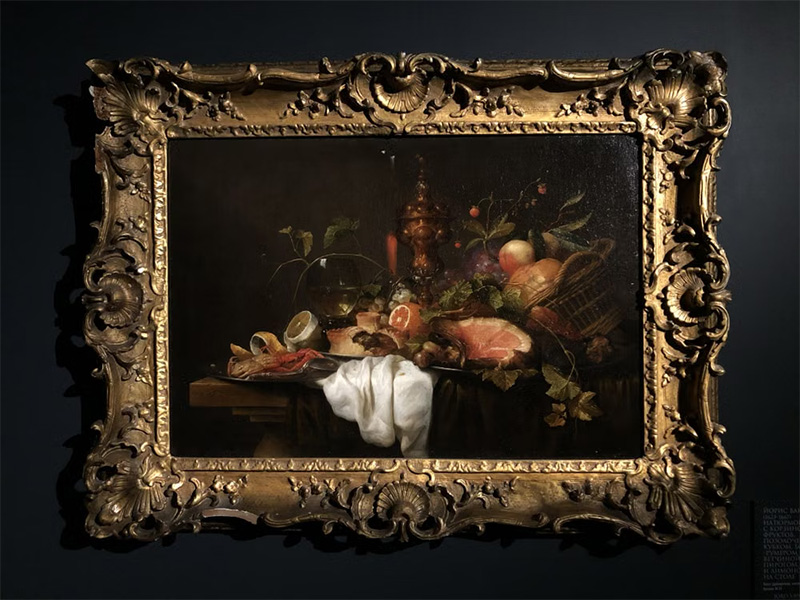
Mannerism arrived like a beautiful argument after the calm balance of the High Renaissance. Art did not drift from harmony into oddity. It lunged. Painters and sculptors stretched bodies, twisted poses, and packed scenes with nervous elegance that jars the eye. Critics once treated this style like decline, as if grace had lost its mind. That judgment looks lazy. Mannerism chased tension on purpose. It prized artifice, instability, and display. It took Renaissance beauty and bent it until rules squealed. This signals not decay but ambition. Artists wanted more than order. They wanted intensity and imbalance.
Beauty Under Pressure
Mannerist art thrives on strain. Figures do not stand so much as coil, lean, and hover in improbable motion. Limbs grow long. Necks lengthen. Space tightens. Color turns sharp. None of that happened by accident. These artists knew the classical ideal, which is why their distortions feel provocative. A lesser hand makes mistakes. A master breaks rules with a grin. Parmigianino’s long-necked Madonna captures this mood with clarity. The body becomes elegant almost past recognition. The scene feels holy, theatrical, and unstable at once. Calm beauty pleases. Pressured beauty haunts. Mannerism chose haunting.
The Cult of Cleverness
This style adored difficulty. That fact unsettles modern viewers who demand emotional honesty in the plainest package possible. Mannerist artists had little patience for plainness. They loved complex poses, coded references, visual riddles, and displays of technical bravado. A painting could work like a court performance, dazzling patrons with learned wit and excess. That sounds elitist because it often was. Courts wanted art that signaled taste, education, and power. Cleverness, when handled badly, turns smug. Cleverness, when handled by Pontormo or Bronzino, turns electric. The viewer senses an artist showing off. The viewer also senses a mind wrestling beauty into stranger forms.
Anxious Bodies, Restless Times
Style never floats above history. Mannerism grew in an age of religious upheaval, political conflict, and fatigue after an era that had seemed too perfect. The sack of Rome in 1527 shattered confidence with brutal force. Once faith in harmony cracks, artists stop painting the world as if reason governs it. Distortion becomes a diagnosis. Uneasy compositions start to look honest. Saints and courtiers alike appear refined, remote, elongated, almost feverish. That fever belongs to the age. This is why Mannerism often feels modern. It dresses crisis in silk. It gives anxiety perfect skin and an impossible pose.
Why It Still Feels New
Many old styles sit politely in museums, admired and then forgotten. Mannerism refuses that fate because it still looks risky. Contemporary fashion photography borrows its stretched bodies and cool artificiality. Film directors steal its charged compositions. Even pop culture returns to its love of stylized tension and polished weirdness. The style understands a truth that modern visual culture repeats every day. Naturalism is not the only path to truth. Exaggeration can reveal character faster than accuracy can. People keep calling this style strange as if strangeness were a flaw. Strange lasts. Safe work fades into wallpaper. Mannerism still bites because it never asked for comfort.
The power of this art lies in its refusal to flatter easy ideas about beauty. Harmony has its place. Balance has its dignity. Mannerism looked at those virtues and asked a sharper question. What if elegance could tremble. What if grace could feel slightly unreal, sharpened by anxiety. That question has never gone away. It surfaces whenever artists push bodies beyond realism, crowd space with meaning, or choose intensity over calm proportion. Dismissals of the style as decadent seem dated. This art unsettles perception. It makes polish feel unstable. It turns skill into drama. These paintings and sculptures still grip the eye. They offer radiant unease.
Photo Attribution:
1st & featured image by https://www.pexels.com/photo/an-oil-painting-on-the-wall-8792983/
2nd image by https://www.pexels.com/photo/dramatic-expression-with-blindfold-and-pearls-29219169/

