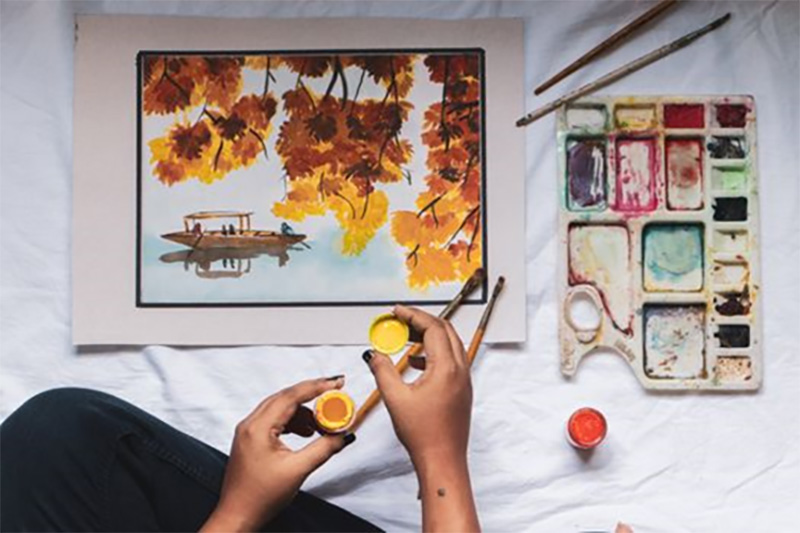
Gouache gets treated like watercolor’s sensible cousin. That’s a mistake. This paint can whisper, bark, or throw color across a page with force. It dries fast, covers boldly, and forgives more than oil purists admit. That changes how a painter should handle it. Anyone who treats gouache like timid school paint misses its best qualities. The medium rewards nerve, planning, and a willingness to exploit its odd habits. Opacity matters. Moisture control matters more. Small shifts in water, brush pressure, and timing can turn a flat study into something dense and alive. The best tricks solve problems.
Start Dry, Then Push
Many painters begin with too much water. Gouache hates that uncertainty because it turns weak choices into chalky streaks. A better move starts with a brush that carries less water than instinct suggests. Mix paint to a creamy body, then lay it down with conviction. This creates flatter passages, cleaner shapes, and stronger color from the start. Once that base exists, wetter touches can soften edges or pull transitions where they matter. Structure first. Atmosphere second. Dry-brush passages also create broken texture on rough paper, which gives walls, fabric, dirt, or weathered skin roughness.
Use Dark Grounds
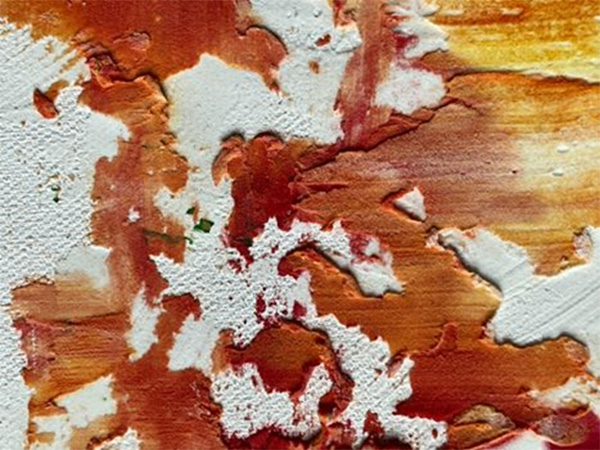
White paper bosses painters around. It glares and forces every early stroke into a defensive posture. Toned or dark grounds change the whole argument. A mid-value gray, warm brown, or muted blue immediately unifies the painting and lets lights pop with efficiency. Gouache excels here because its opacity can pull bright notes out of darkness without fuss. Block in the big shadow families first, then place mid-tones, then save the strongest light for the last clean hits. A dark ground also prevents the common mistake of overfilling every inch with equal attention. The untouched ground can serve as atmosphere, shadow, or negative space.
Mix Warm and Cool Twins
Flat color kills form faster than poor drawing. A red apple painted with one red looks like a sticker unless temperature and value start doing some work. Gouache makes this useful because small piles of related color stay workable long enough to build subtle shifts without sinking into mud. Mix twin versions of key hues. One warm. One cool. Keep the value close. Then alternate them across planes, halftones, and reflected light. Suddenly a face turns in space. A tree trunk stops looking cut from cardboard. Painters often chase realism by adding detail, when the better route lies in temperature variation inside large shapes.
Revive Dull Passages
Every gouache painting hits a dead zone. Colors sink. Edges get fussy. The surface starts looking tired. Panic makes it worse. The rescue method is blunt. Let the area dry fully. Remix a cleaner, slightly thicker version of the needed color. Then repaint the passage in larger, simpler statements than the failed one. Gouache loves decisive correction because its opacity can reset a shape without scraping or ritual. A small spritz on the palette can wake up drying mixtures, though too much water drags everything back into mud. Place one crisp accent beside a softened passage. The eye reads contrast as freshness.
Good gouache work doesn’t come from babying the paint. It comes from understanding its temperament and pressing that temperament into service. Keep mixtures creamier than fear recommends. Let grounds do some of the heavy lifting. Build form with warm and cool shifts instead of drowning everything in tiny detail. When a passage goes stale, repaint it with more nerve, not more fuss. Gouache rewards clarity and punishes dithering. It can look velvety and blunt at once, which gives it power. Painters who accept that contradiction gain freedom. The paint stops acting like classroom material and starts acting like a serious instrument.
Photo Attribution:
1st & featured image by https://www.pexels.com/photo/faceless-painter-with-bright-paint-near-artwork-on-creased-sheet-4982754/
2nd image by https://www.pexels.com/photo/brown-stains-of-paint-16386459/

