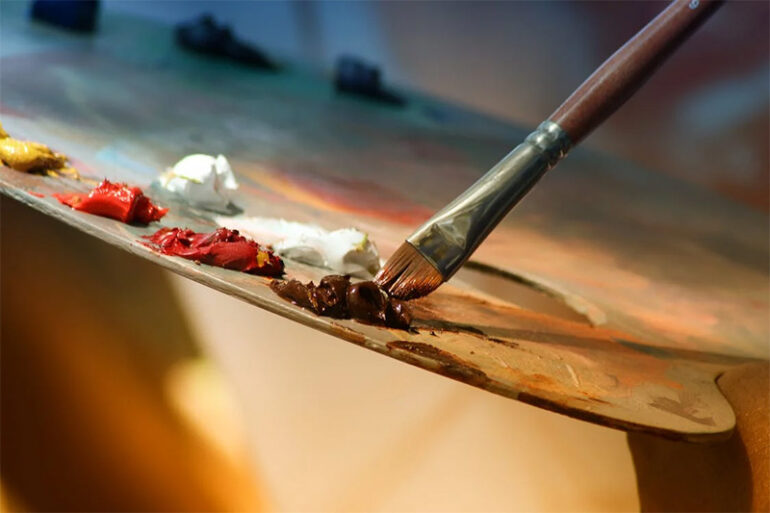
Some claim that creativity is a luxury, a hobby for those with free time or wild dreams. Nonsense. Creativity isn’t an accessory—it’s oxygen for minds choked by daily routine and stress. When words run dry or old solutions fail, hands reach instinctively for brush, pen, clay—anything to spark something new. This isn’t avoidance; it’s repair. Unseen wounds, emotional clutter, the knots tight in the chest—something shifts when creation begins. Suddenly, a private world opens—a studio where pain transforms into color or shape or sound. Healing doesn’t always look like medicine; sometimes it looks like making things out of nothing at all.
Breaking Patterns: The Science Behind Creating
Neuroscientists see it on brain scans—creating lights up regions responsible for connection and emotion. No surprise there. Stuck in thought loops? Try doodling for ten minutes and watch anxiety take a backseat—if only briefly. It’s less about producing masterpieces and more about disrupting mental traffic jams with fresh neural pathways. The science is plain: when people engage their senses in making art, cortisol drops, focus sharpens, breathing slows without anyone chanting “just relax.” Even skeptics have to admit—the data points in one direction: tactile engagement disarms stress far better than any pep talk ever could.
A Safe Place for Unsaid Things
Talk therapy has value—no argument there—but language can be slippery or blunt; it fails to capture certain aches inside the body. Enter creative process as sanctuary. Paint splatters don’t ask questions. Sketchbooks don’t stare across polished desks waiting for the right answer—they simply take what’s given: joy, sorrow, confusion jumbled together on paper or canvas. Here lies real freedom—expression that doesn’t require translation at all. One might not even recognize what surfaces until lines appear or colors bleed into each other unexpectedly. The healing? It happens quietly between the marks made and emotions eased.
Community Over Isolation
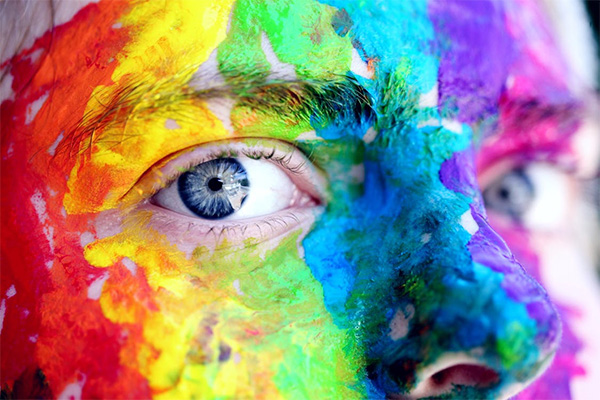
There’s a myth that artistry must unfold in solitude—a lone genius hunched over work late at night under flickering lampshade light. Discard this notion immediately. Community studios hum with possibility because shared creation breeds support unlike anything else found in modern life’s fractured pace. Group workshops open space for laughter amid frustration; encouragement replaces self-doubt stubbornly clinging to every creator’s shoulder like static cling clothing after laundry day gone wrong. A collective nod from others who understand—this catalyzes progress just as surely as technical skill ever could.
Moving Forward with Creative Momentum
Progress looks odd here—inconsistent sketches, misshapen mugs fresh from the kiln, half-finished poems scribbled during lunch breaks on napkins destined for trash bins anyway; none wasted effort actually exists within genuine creative process. It doesn’t matter if an audience never sees these pieces—the act itself pushes people forward out of stuck places one rough attempt at a time until setbacks no longer signal defeat but opportunity hiding beneath awkward beginnings and messy revisions alike.
Healing rarely arrives wrapped neatly in clinical terms or step-by-step plans ready-made from shelves lined with textbooks nobody rereads after graduation anyway—it arrives when hands get busy and worries thin out between strokes of paint or lines of verse scrawled too quickly to self-censor away real feeling underneath surface doubt lingering since childhood days gone by too fast to notice carefully enough then but possible now through practice reborn each time something gets made—imperfect maybe but honest all the same.
Photo Attribution:
1st & featured image by https://www.pexels.com/photo/shallow-focus-photography-of-paintbrush-102127/
2nd image by https://www.pexels.com/photo/person-with-body-painting-1209843/

