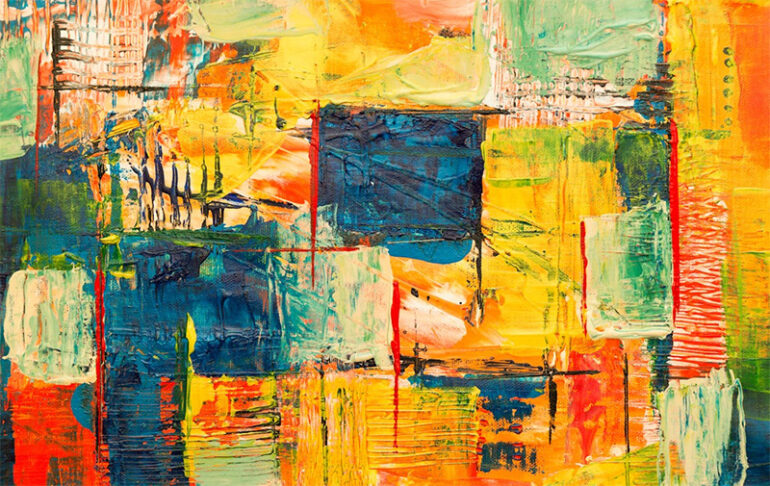
What is it about those strange shapes splashed on canvas, lines that don’t add up, colors that clash on purpose, forms nobody can quite pin down? Some walk past them in museums with a shrug, unmoved. Others stand frozen for minutes, transfixed. These reactions aren’t accidents or elitist posturing; they’re proof of art’s unruly power to tug at the heart and brain. Abstract work sidesteps logic, dances beyond language. One hardly needs to understand a thing to feel something. The rawness, the mystery, pulls emotion straight to the surface where reason has little say in the matter.
Beyond Words: Color and Feeling
Step into any gallery and watch what happens when bright reds collide with cool blues. Instant reaction. No need for a tour guide or lengthy explanation, the body knows first, sorting through excitement or calm without asking permission from the intellect. When artists cut loose from subject matter and let color take command, they open doors to memories and moods buried just beneath awareness. A single sweep of yellow might recall sunlight after rain; a deep blue swirl could trigger nostalgia out of nowhere. Abstract art grabs emotion by bypassing logic altogether, reaching parts of the psyche words can’t touch.
Shape Without Story
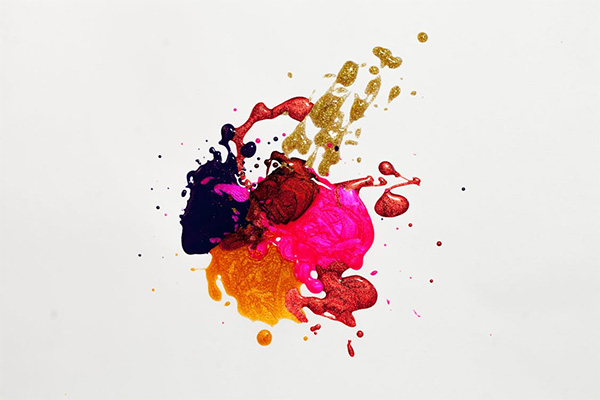
Ask anyone why rectangles stacked oddly make them uneasy, they rarely have an answer that satisfies. That’s not failure; it’s evidence of abstraction working at full tilt. Without recognizable images to cling to, viewers get tossed into uncertainty. Emotions rise because there’s nowhere else to go, no narrative crutch, no backstory anchor. Odd shapes or jagged lines can spark anxiety, curiosity, even joy in quick flickers that defy easy summary. Artists know full well that confusion isn’t the enemy, it’s often the main ingredient for genuine engagement with art stripped bare of storytelling.
The Viewer as Co-Creator
Here lies a detail too many people miss: abstract works demand effort from everyone standing before them. No passive consumption allowed, each person draws their own lines between chaos and meaning based on mood, personal history, even breakfast choices that morning. There’s no dictator behind the easel spelling things out; interpretation belongs fully to whoever engages with the piece right now. This active participation explains why friends can argue all day over what a painting “means.” Every encounter is new business, one painting spawns countless possible conclusions depending entirely on who does the looking.
Healing in Ambiguity
Surprising how comfort often hides inside confusion itself. For some viewers battling tangled feelings, grief that won’t untie itself, stress impossible to name, a non-representational piece offers relief rather than frustration. With no fixed message forced upon them, people project pain or peace onto shifting swaths of color and form as needed; healing sneaks in under abstraction’s cloak of uncertainty. What looks cryptic from one angle becomes cathartic from another because ambiguity opens room for private reflection where direct answers would only block the way forward.
It hardly matters if someone understands every brushstroke or stands stunned by strangeness; emotional resonance lives in both camps equally well when confronted by pure abstraction on canvas or screen alike. What emerges is freedom: viewers liberated from having to “get it” are free instead just, to feel it, and sometimes find themselves startled by what rises up uninvited while staring at paint that claims nothing but possibility itself.
Photo Attribution:
1st & featured image by https://www.pexels.com/photo/multicolored-abstract-painting-1269968/
2nd image by https://www.pexels.com/photo/photo-of-multicolored-abstract-painting-1193743/

