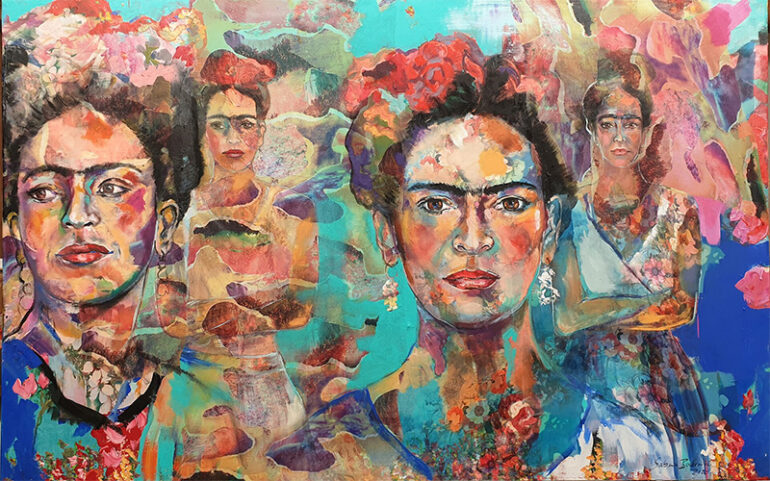
Painted Threads, Living Canvas. That’s what immediately stands out—Frida Kahlo never separated art from life. Not even for a second. Her wardrobe? It wasn’t just for covering, it was for declaring, provoking, mourning, celebrating. Why stick to oils and brushes when cotton skirts, lace blouses, ribbons—even orthopedic corsets—demand equal attention? Ignore color theory at your own peril; she wore cobalt and magenta like they owed her rent. Is this fashion? No. It’s something louder: biography stitched with embroidery. The inescapable conclusion is clear—her clothes became statements long before hashtags existed. And the questions keep piling up: How did fabric speak so loudly? Let’s dig.
Roots and Rebellion
Start with Tehuana dresses—those heavy skirts, those embroidered huipiles. Hardly random. These were more than nods to Mexican heritage; they screamed independence from colonial beauty standards and European trends choking 1930s Mexico City. She didn’t just wear culture—she weaponized it against the tide of conformity swirling all around her. Didn’t matter that Paris was obsessed with silk or that New York wanted sleek lines; Kahlo chose velvet sashes over pearls every time. The world expected docility; she responded with boldness stitched straight into every seam. Clearly not nostalgia—it was rebellion masquerading as tradition.
Injury as Ornament
Those back braces and medical corsets—most would hide them without a second thought. Frida painted hers instead: flowers blooming across plaster, hearts bursting where pain pressed hardest. Disability wasn’t sidestepped or whispered about in corners—it marched front and center on her torso and under her shawls. Her style became a defiant exhibition: “This body hurts but look how glorious its armor.” Fashion magazines scramble today to call things “empowering,” yet nothing rivals the way she transformed limitation into spectacle, shame into celebration.
Symbols Speak Louder Than Fabric
Let’s talk accessories—a riot of rings, necklaces heavy enough to anchor ships, flower crowns growing taller by the year. No random trinket selection here; every object had a job to do as storytelling device or magic charm against misfortune (and who couldn’t use a few more of those?). A scarf might mean solidarity; an earring could flash allegiance to Rivera or reference ancient mythologies that still refuse to die quietly in Mexican folklore classrooms today. The takeaway: Kahlo dressed for meaning first—to communicate decades in one glance.
Self-Portraiture Beyond Paint
No mere costuming here—the woman literally built self-portraits out of outfits day after day after day! Stand her paintings next to photographs snapped at Coyoacán and try telling where canvas ends and closet begins; you can’t do it convincingly for long because there isn’t any real border left standing between them anymore. Signature brows echoing handstitched patterns below; reds bleeding from lips right into skirts swirling around her ankles—a single visual language written with pigment *and* textile.
So why revisit her wardrobe now? Because icons fade unless someone keeps naming what made them legendary—and here clothing played lead role alongside brushstrokes and broken columns alike. In today’s age of fleeting fashion moments and fast cycles nobody remembers next week, Frida showed us how intention turns habit into heritage if you’re loud enough about it daily…with buttons, stitches, colors chosen like war paint instead of camouflage.
Photo Attribution:
1st & featured image by https://commons.wikimedia.org/wiki/Category:Frida_Kahlo_in_art#/media/File:2020,_Frida_stays_forever,_115_x_180_cm.jpg
2nd image by https://www.pexels.com/photo/siberian-husky-puppy-on-green-grass-field-3791592/


