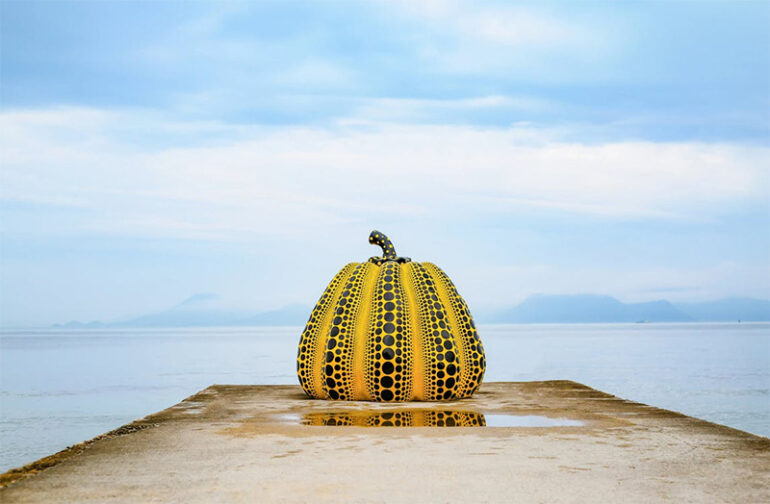
Some names spark instant recognition. Kusama’s is one, though the pumpkins might upstage her these days. She didn’t ride in on a wave of inherited fame; she built the boat, stitched the sails, and paddled across continents while others watched from the shore. A world crowded with artists. Most fade into noise. But here stands a woman with dots and mirrors strong enough to make people wait in lines, just for an Insta shot! And there’s more beneath those playful polka dots. Critics saw obsession. Visitors saw infinity. The market? It saw dollar signs, and plenty of them. Let’s dig.
From Matsumoto to Manhattan
Impossible to avoid it, Japan in the 1920s was not ready for Kusama’s style or spirit. Her early years: strict family, silent trauma, painted visions nobody else could see. What does a teenager do when surreal hallucinations crowd out reality? She paints them, on walls, on canvas, anywhere paint sticks. America beckoned like a neon sign buzzing over New York’s chaos in the ’50s. Did she fit in? Not exactly; more like she made space where none existed before. Quickly, galleries took notice even as male contemporaries bristled at her nerve (and frankly, her talent).
Infinity That Stays
She filled rooms with mirrors long before social media made reflections trendy, or profitable distractions from everyday dullness. Surrounded by endless dots and lights: suddenly everyone’s an astronaut floating through another universe (without leaving their city block). Here lies pure magic, these installations erase boundaries between bold artist and equal participant viewer. Audiences became part of her vision whether they liked it or not! The work isn’t about showing off technical skill; it whispers obsession straight into your bones, and apparently no one wants that feeling to end.
Obsession Sells
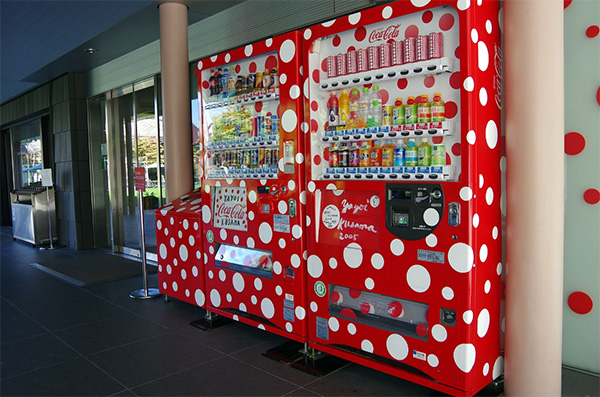
Strange how repetition once read as madness now looks genius when priced correctly at auction houses worldwide! Fifty years ago? Doctors called it delusion; now gallerists call it brand identity, and museums scramble for exhibition slots faster than you can say “sold out.” Spot paintings evolve into bronzed pumpkins standing guard outside luxury hotels; meanwhile merch floods every major airport gift shop this side of Tokyo Bay. Clever move or happy accident? Doesn’t matter, the result is global ubiquity few contemporary artists dream of achieving.
Star Power Without Melodrama
Here’s what baffles: decades spent fighting sexism, racism, and even mental health stigma, all without burning bridges or courting scandal for attention’s sake (a rarity). No viral antics needed from this creator; only relentless output transformed quiet activism into mainstream acceptance on both sides of the Pacific Ocean. Her own presence, a shock of red wigs and signature polka-dot dresses, became a walking exhibit worth study all its own! Celebrity status arrived quietly but forcefully; influence didn’t shout so much as colonize by sheer persistence.
Kusama didn’t charm her way into history books by accident or luck alone, it took grit that borders on stubbornness mixed with invention nobody else dared attempt first (or better). Art audiences crave authenticity almost as much as spectacle these days; she gave both in spades, and keeps giving even deeper after ninety years on earth! Whether obsessed collector or casual scroller pausing mid-feed at pumpkin-emblazoned handbags, the unpredictable impact remains undeniable: Kusama changed not just how art is seen but how success itself gets measured today.
Photo Attribution:
1st & featured image by https://www.pexels.com/photo/yellow-pumpkin-sculpture-on-naoshima-pier-31651448/


.jpg)