
First impressions matter—ask any marketer, interior designer, or even a moody teenager picking out bedroom paint. Color isn’t just visual fluff; it shapes reactions, sets the tone, and manipulates emotion faster than most realize. One shade can calm nerves; another triggers appetite. Ignore this at your peril. The beginner steps into color theory not to memorize rules, but to unlock control over mood and message. All those circles of hue and harmony? They aren’t decoration—they’re strategic tools hiding in plain sight. The real question: how does one move beyond “nice color” into deliberate mood-setting? It’s easier than expected, if approached with fresh eyes.
Emotional Impact of Primary Colors
Red screams for attention—no subtlety there. Blue soothes almost by instinct alone; yellow beams with optimism bordering on comic relief at times. These primary colors don’t bother with nuance; they hit directly where feelings live, making them favorites among advertisers and artists alike. Flip through any major brand palette—notice what stands front and center? Bold primaries everywhere. Each has baggage: red equals excitement or danger depending on context; blue offers trust but risks coldness if overdone; yellow sparks joy yet strays dangerously into anxiety if misused. Harnessing emotion from these giants requires restraint—a single accent does more work than a rainbow-hued wall.
Warm vs Cool: More Than Temperature
The tired idea that warm colors bring coziness while cool ones create distance doesn’t capture half the story. Orange isn’t always cheerful—it can edge toward aggression given enough intensity or context (think warning signs). Cool greens might feel like peace on earth one minute then slip into clinical detachment with the wrong lighting or material nearby. Seasoned designers won’t assign emotion to a temperature category blindly—they look for interaction: what comes next door, how does the light shift midday? Context transforms temperature from cliché to conversation starter every time someone steps inside a freshly painted room.
Contrast and Harmony in Practice
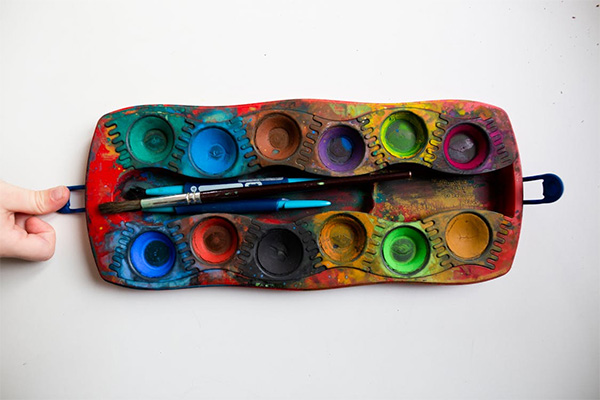
Too much contrast gives whiplash—picture an office lurching between day-glo orange chairs and navy-blue walls—while too much harmony sends viewers straight to sleep (or worse, complacency). The trick lies in tension: a pop of complementary color here, muted analogous shades anchoring everything else there. Anyone wielding only one approach—either relentless energy or endless calm—ends up stuck with monotony or chaos respectively. Great communicators bounce between both like jazz musicians improvising a tune—pushing discord when needed, smoothing things out before anyone tires of the noise.
Cultural Baggage: Why Context Rules
Western weddings drape everything in white for innocence—or so people say—in China that same color signals mourning instead. Red brings luck for some cultures but hints at alarm elsewhere without warning labels attached. Forgetting these cultural associations causes instant missteps, especially in global branding or multicultural environments where one audience’s joy is another’s taboo. High-level practitioners never assume universal meaning; they dig deep into context before picking palette or pushing campaign live—and results speak loudest when audiences feel understood instead of alienated by something as simple as swatch choice.
Color is far more than eye candy—it’s loaded language everyone learns by experience first and theory second (sometimes barely noticing either way). Smart creators use this code intentionally rather than leaving reactions up to chance—the difference between forgettable design and powerful impact lives in those choices made early on about hue and combination. Mood mastery doesn’t demand rare talent; it asks for observation, experimentation, maybe even messing up once or twice before getting it right. In the end? Mastery grows wherever curiosity meets practice—and practice knows no shortcuts.
Photo Attribution:
1st & featured image by https://www.pexels.com/photo/assorted-color-textile-3709397/
2nd image by https://www.pexels.com/photo/wood-art-painting-colorful-2027047/

