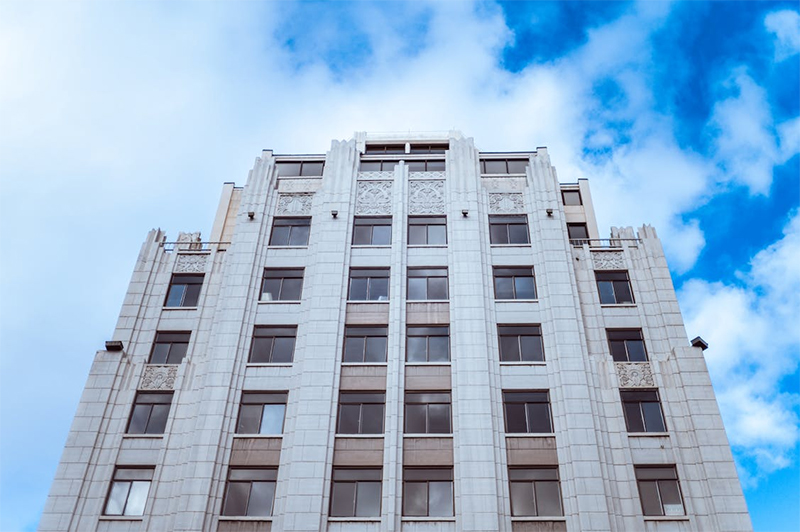
Art Deco walks into a city like a sharply dressed stranger. Straight lines. Bold steps. No hesitation. It doesn’t whisper about beauty. It nails it to the wall in chrome and stone. The style erupted between the wars when faith in old ornament cracked, yet nobody wanted quiet austerity. Out came geometry with swagger. Triangles raced upward. Sunbursts exploded above doors. Every surface turned into a math problem that flirted with luxury. Geometry stopped serving only engineers and started flirting with glamour. The result felt new, aggressive, theatrical, and strangely reassuring.
Lines That Refuse To Drift
Art Deco hates vagueness. Lines snap into place like a drill sergeant arranged them. Vertical ribs make buildings look taller than they are. Horizontal bands stretch them across the block like a held breath. Corners stay crisp. Curves appear only when they agree to follow a strict rule. Nothing wanders. Geometry turns into a discipline lesson. This order gave anxious cities a sense of control. While politics shook and markets crashed, facades kept repeating their patterns like a mantra in stone. Every block started to feel scripted, rehearsed, almost cinematic in its choreography.
The Drama Of Symmetry
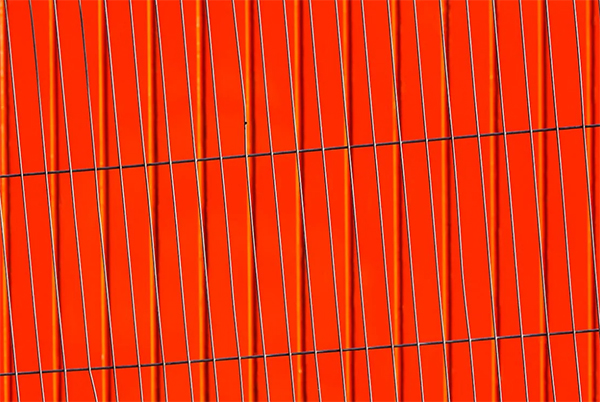
Symmetry in this style behaves like a spotlight. Doors sit at the center. Windows line up on both sides like guards. A stair rail might mirror itself so perfectly that a slight misalignment feels almost scandalous. This mirrored balance gives the eye a place to rest. It also flatters human vanity. Faces want to believe in balance. The style feeds that fantasy with every aligned panel and matched balcony. The result feels ceremonial. Even an office lobby starts to act like a stage for daily life. Commuters unconsciously perform, framed by perfect order and repeating forms.
Triangles, Arches, And Sunbursts
Look closely at any good example and geometry starts shouting. Triangles slice into parapets. Zigzags run along cornices like lightning frozen in place. Arches flatten into stylized half circles that barely soften the steel and stone. Then the sunburst arrives. Rays shoot from a doorway or elevator indicator as if dawn lives inside the building. These shapes aren’t random decoration. They announce speed, electricity, radio signals, flight. Modern life turns into math made visible. Every angle claims the future belongs to sharp edges. Even small storefronts brag about progress in their glass and metal signs.
Materials That Catch The Grid
The geometry would feel dead without the right surfaces. Art Deco grabs metal, stone, glass, and colored tile and forces them to play along with its grids. Chrome strips outline windows. Brass frames carve clean borders around marble panels. Glass blocks stack into luminous squares that glow at night like a calculated equation. Even wood paneling often follows strict vertical grooves. Materials stop pretending to be natural. They show off polish and reflection. The style worships precision, not rustic charm or softness. Every entrance becomes a bright, controlled experiment in light striking hard edges.
Cities keep aging, yet these jagged skylines refuse to fade into background noise. The appeal survives because it offers a rare bargain. Rational structure without boredom. Ornament without chaos. People feel the pull of that deal every time a stepped tower cuts into the sky or a lobby ceiling flashes with geometric patterns in gold leaf. The style still whispers a dangerous idea. Modern technology can look glamorous instead of cold. Geometry, handled with nerve, doesn’t just measure the world. It seduces it. Streets turn into galleries where math and fantasy share the same facade.
Photo Attribution:
1st & featured image by https://www.pexels.com/photo/facade-of-modern-multistage-building-against-cloudy-sky-6548287/
2nd image by https://www.pexels.com/photo/thin-bars-of-fence-18455585/

