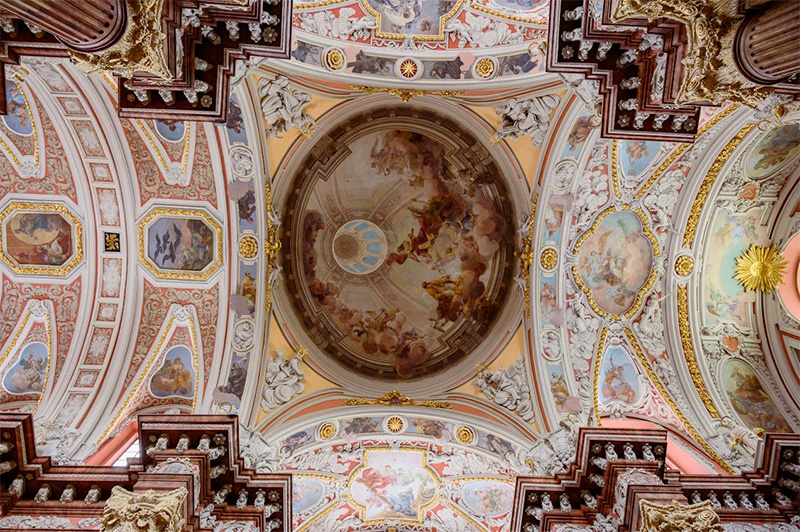
Baroque painting arrived like a loud guest at a quiet party. Renaissance balance looked polite. Baroque kicked the door open and rearranged the furniture. Painters chased drama, motion, and theatrical light. Churches wanted shock and awe to answer Protestant critics. Patrons demanded emotion that hit the eyes first and the mind second. This style sold faith as spectacle. It wrapped theology in visual fireworks. For a while, it worked brilliantly, even for viewers who barely understood doctrine. Then the very excess that fueled it started to rot its core from within.
From Council Chambers to Canvas
Baroque painting grew from a committee meeting. The Council of Trent told Catholic artists to preach more clearly. No more confusing symbols. No more subtle games for scholars. Pictures needed to grab the sinner by the throat. Rome listened. New churches wanted ceilings that felt like portals. Saints tumbled out of the clouds. Light looked touched by grace, not physics. This was marketing in sacred clothing. The church needed loyalty. Painters supplied emotional shock, wrapped in gold frames and false architecture, turning entire buildings into persuasive machines for belief.
Caravaggio’s Violent Spotlight
Caravaggio turned the volume higher. He dragged sacred stories into dirty back rooms. Apostles looked like knife fighters from the street. Faces carried bruises, wrinkles, and doubt. A single beam of light cut through darkness like a judge. That sharp contrast gave sin and salvation the same stage. Viewers felt shoved into the scene. No safe distance. No polite halo. Many critics hated it. Patrons kept buying it. The effect proved addictive. Soon followers copied the lighting tricks without grasping the moral tension, like actors repeating lines they barely grasp.
Rubens, Velázquez, and Royal Theater
Power smelled the potential. Courts hired painters to crown rulers with visual drama. Rubens turned monarchs into glowing engines of flesh and silk. Battle scenes looked glorious, not filthy. Velázquez played a quieter game. His brush wrapped Spanish royalty in strange dignity and doubt. Paintings worked as public propaganda and private reflection. Palaces became galleries of staged authority. The style fed on money, silk, and ego. When kings wanted glory, painters delivered it in swirling color that almost hid the political fear beneath, like perfume over the stench of debt and war.
When Excess Turns Hollow
Every style hits the point where the tricks learn to walk alone. Baroque painting reached that stage. Swirling drapery, shocked expressions, plunging diagonals. All the old tools kept working. They stopped meaning much. Many late works looked like visual fireworks with nothing to burn. Viewers saw formulas. Not revelations. Tastes shifted toward calm, clarity, and a cooler kind of reason. Early Baroque tugged the gut. Late Baroque often tickled the eye. That difference killed its claim to moral and spiritual urgency, leaving pretty ceilings that spoke loudly yet said almost nothing.
Baroque painting rose on pressure. Religious crisis, royal anxiety, and the hunger for spectacle pulled in the same direction. Painters answered with intensity that still punches through museum glass. Its fall came from success. Once drama became a habit, it lost its bite. The next generation wanted clean lines and measured thought. Rococo flirted and giggled. Neoclassicism lectured. The old thunder started to sound like background noise. What survives now are the works where style and conviction lock together, not the hollow echoes that chased fashion for its own sake.
Photo Attribution:
1st & featured image by https://www.pexels.com/photo/architecture-church-in-boroque-style-church-of-our-lady-of-perpetual-help-and-saint-mary-magdalene-15959292/
2nd image by https://www.pexels.com/photo/elegant-victorian-council-chamber-with-skylight-31282737/

