A blank wall, a roll of canvas, a dream. The painter’s dilemma: buy pre-stretched canvases (expensive and limiting) or take control. The smart choice? Stretch it solo. It’s not just about saving cash, though the wallet does thank you; it’s creative freedom unchained. Painters get to choose size, texture, even the tautness under the brush, details that matter more than most admit. It sounds daunting at first glance. Staples, bars, pliers, one false move and there’s sagging doom. But mastery is closer than it seems. The entire process boils down to patience and technique: two things anyone can learn without sweating bullets.
Getting the Right Materials
The truth nobody likes to say out loud: half of stretching success lives in material choices. Forget grabbing any old fabric or crooked wood scraps from the garage; disaster follows that path every time. Quality canvas, cotton duck or linen, is non-negotiable if longevity matters at all (and it does). Stretcher bars must be straight and smooth, so frames won’t warp on humid days, or worse, mid-exhibition. A staple gun trumps thumbtacks by miles for grip strength and sanity preservation. Canvas pliers? Not optional unless blisters are part of the plan. Finally: staple remover for inevitable mistakes; gesso for priming; a measuring tape instead of guesswork.
Preparing for Battle
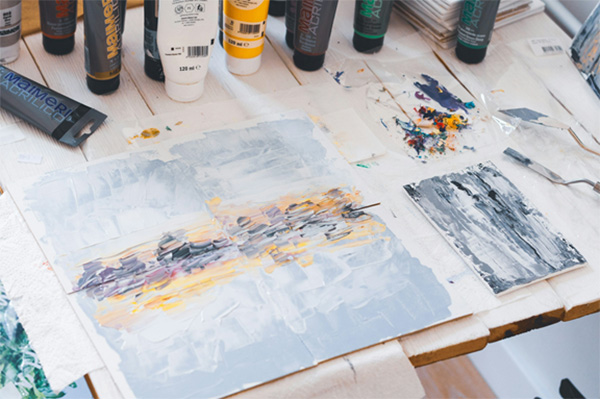
Space transforms into battleground quickly when stretching canvas kicks off. Lay out tools within easy reach; scrambling around ruins rhythm fast, momentum evaporates thanks to a missing staple box or wandering pliers. Roll the canvas flat on a clean floor or sturdy table, dust particles sneak their way into paint later if neglected now. Measure twice; cut once seems like cliché until a lopsided rectangle rears its ugly head mid-process (there’s no growing that extra inch). Relaxed hands matter more than brute force in this phase, a gentle tension builds better foundations than white-knuckled tugging ever could.
Mastering Tension and Technique
Here come the real secrets, the small moves that separate crisp professional results from sad, sagging disappointment hanging in galleries everywhere. Start by stapling one side near the center; rotate to opposite side next, pulling just enough to smooth but not stretch beyond reason (overzealousness leads to warping nightmares). Work outward from centers toward corners in alternating pattern like tightening lug nuts on car wheels, a little here, then there, balance always maintained above speed or brute strength. Creases threaten at corners; folding neatly solves this while keeping surfaces ready for primer later.
The Final Touches
Now comes judgment time: check front surface with critical eyes, no sags tolerated here! If there’s uneven tension or visible flaws, don’t panic; staples pull out easily with proper tool and minor adjustments fix almost anything before priming begins. Gesso application transforms raw material into painterly perfection, don’t skip coats unless willing to deal with paint absorption woes down the line (tragedy strikes those who rush this step). Dry thoroughly between layers, impatience has ruined more canvases than lack of skill ever could. That last coat dries? Suddenly an empty frame morphs into blank possibility itself.
Satisfied artists walk away from stretched canvas knowing they’ve conquered both craft and chaos, and now they get freedom by design rather than compromise by default. Professional results aren’t about fancy equipment or years locked in studios but practicing calm precision over hasty shortcuts every single time. With preparation dialed in and technique muscle-memorized after one or two tries, personal expression takes off unhindered by commercial constraint, a surface worthy of grand ideas awaits those who bother to build it themselves every time.
Photo Attribution:
1st & featured image by https://unsplash.com/photos/man-standing-and-using-smartphone-near-wall-with-murals-ikq0OXnDafw
2nd image by https://bestpaintbynumbers.com/blogs/paintbynumbertips/different-topics-to-explore-in-art-if-you-re-a-budding-artist

