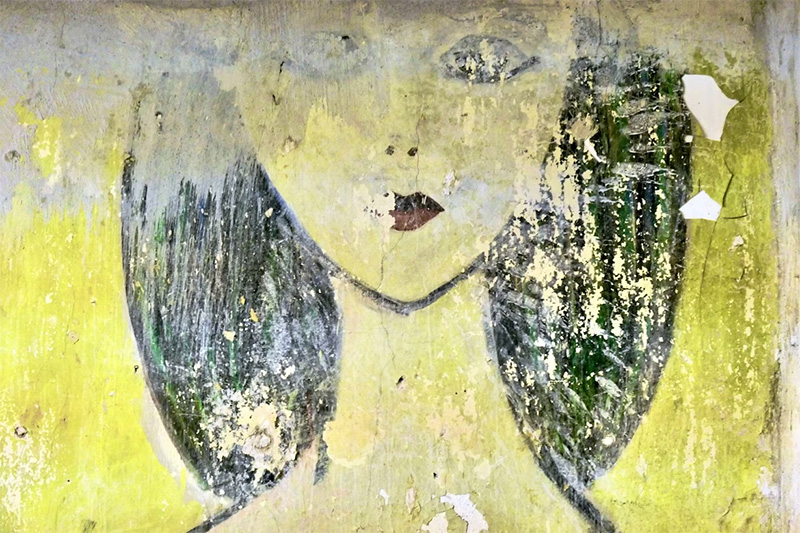
The popular story of Abstract Expressionism has always sounded too neat. A handful of men, Pollock, Rothko, de Kooning, supposedly reshaped American art after World War II, bursting with paint and energy in gritty New York studios. But reality never cooperates with tidy narratives. Women were there, working brush-for-brush alongside the so-called giants, and often outshining them. The omission didn’t happen by accident. Systematic neglect, sometimes outright hostility, pushed these artists to the margins of textbooks and gallery walls. What gets lost when an entire half of a movement disappears from history’s spotlight? Far more than just names, an entire way of seeing.
Hidden in Plain Sight
Lee Krasner spent decades standing right there, sometimes literally across the room while Jackson Pollock raged at his canvases. Her own paintings? Breakthroughs in color and form that critics would have called revolutionary if they’d come from anyone else. Grace Hartigan’s bold forms vibrated with emotional heat; still, reviews mentioned her “femininity” before her technical genius. Elaine de Kooning matched her husband stroke for stroke and then turned around to write some of the sharpest criticism of the era. Visibility wasn’t about talent, it was about what curators decided belonged on a museum wall.
Networks Built Then Broken
Community fueled innovation on Tenth Street and in downtown lofts, a web spun as tightly by Helen Frankenthaler as by her male counterparts, yet somehow it all ended up credited to the men in the end. The legendary Cedar Tavern table banter isn’t remembered for its women’s voices, but they shaped those conversations too. When gallery owners drafted lists for shows like “The New American Painting,” women’s names dropped off one by one. Even supporters with good intentions blinked at moments that mattered most, and suddenly only the men got invitations abroad or solo exhibits.
Critical Reception: Praise With Strings Attached
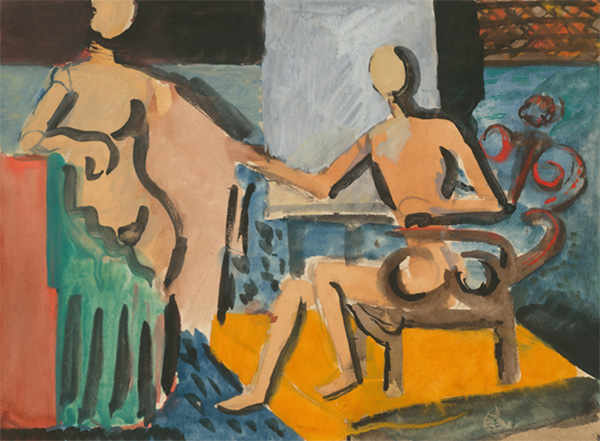
Even when acknowledgment came, it arrived dressed in qualifiers that stung instead of celebrated. Joan Mitchell earned glowing notices for raw energy splattered across vast surfaces, yet many writers managed to frame her rage as emotional excess rather than artistic vision. Lee Krasner had critics calling her “Mrs. Pollock”, a label designed to shrink any accomplishment into the shadow of a husband’s reputation. The few who broke through had their originality questioned or their success labeled an exception rather than proof that boundaries could move.
Legacy Fights for Air
It’s changing, but slowly, painfully so. Retrospectives now salute Hedda Sterne not simply as “the one woman” among a famous Life magazine photo lineup but as a painter exploring ideas men barely considered possible at mid-century. Scholarship is catching up after decades-long naps; still, auction prices lag behind every time another male peer hits records at Sotheby’s or Christie’s rooms. These artists gave everything to be part of something bigger than themselves, and that fight reverberates even now as young painters seek role models beyond old myths.
History doesn’t erase people cleanly, it buries them under labels nobody chose and silences nobody deserved. There is no honest summary of Abstract Expressionism without its women, not simply because fairness demands it but because their work changed what painting could do and mean in America after 1945. Restoring these voices isn’t rewriting history, it’s closer to telling it straight for once: art movements are built by crowds, not heroes alone, despite how much easier stories become when half gets left out.
Photo Attribution:
1st & featured image by https://unsplash.com/photos/womans-face-in-yellow-and-blue-abstract-painting-XzchTOL5GYM
2nd image by https://unsplash.com/photos/smw6kSH7O6o

