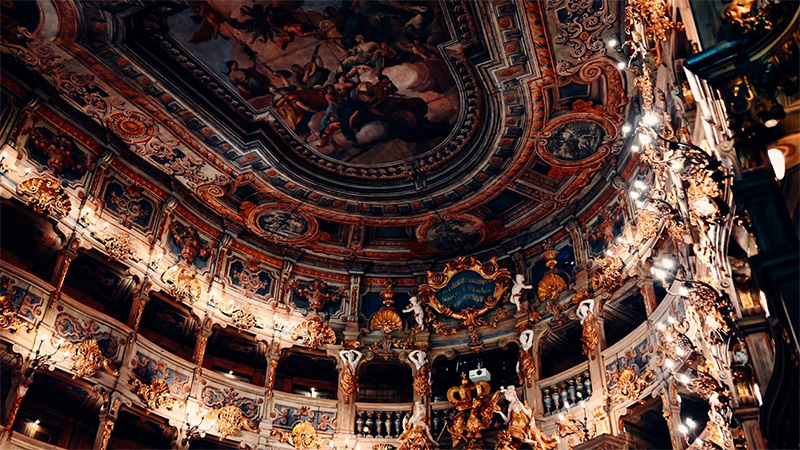
Baroque painting doesn’t just hang on a wall; it storms the room like an actor who ignores the script and starts yelling at the audience. Light explodes, fabrics twist, bodies spill out of the frame. And the whole thing behaves less like an image and more like a staged event. Painters in the seventeenth century didn’t chase calm harmony. They wanted shock, persuasion, drama, and sometimes outright spiritual intimidation. So every figure, every shadow, every flying angel plays a role. The canvas turns into a one-shot performance that never ends.
Light As A Spotlight
Baroque light doesn’t behave politely. It crashes in like a stage spotlight that someone forgot to dim. Caravaggio, for instance, drags figures out of darkness with brutal beams that hit faces, hands, and blades while leaving everything else drowning in black. And that contrast doesn’t just decorate the scene; it controls the viewer’s attention like a director barking orders. So the eye jumps from highlight to highlight, as if following cues. The shadows feel thick, almost physical, turning empty space into a black curtain just offstage, ready to hide more action.
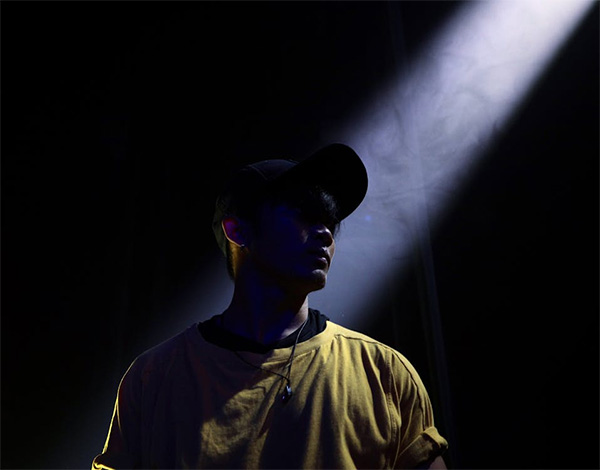
Bodies Frozen Mid-Action
The figures never stand still. They twist, fall, argue, plead, gasp. Limbs shoot out of the frame as if the canvas can’t hold them. And because motion stops at a single instant, the viewer walks in mid-sentence. So the brain rushes to complete what happens next. This trick copies theater’s most charged moments: the held breath before the verdict, the sword paused in the air. Painters cram that tension into one frame. The result feels less like a scene remembered and more like a crisis unfolding now, right in front of everyone.
Space That Invades The Viewer
Baroque space rejects respectful distance. Staircases tilt forward, clouds roll toward the floor, and balconies lean out like they might fall into the room. And painters love diagonals, those aggressive lines that slice from corner to corner. So the viewer stands not outside the story but inside its blast radius. Churches in Rome push this even further: ceilings open into fake heavens, saints hover above, and painted architecture pretends to extend the building. The spectator becomes part of the set, drafted into the scene without consent, as if the drama needs witnesses.
Emotion Turned Up To Eleven
Nobody plays it cool. Faces contort, eyes tear up, mouths shout, and hands claw at the sky. And that exaggeration isn’t clumsiness; it’s strategy. Painters target the gut, not the quiet intellect. So grief appears as bodies collapsing over corpses, joy as wild upward spirals of angels, doubt as twisted brows in tight half-light. The emotional volume stays high because drama sells faith, politics, and power. A ruler or a church that controls the stage of feeling doesn’t need subtle persuasion; the painting already shouts, pleaded case fully formed.
Baroque painters didn’t accidentally stumble into drama; they engineered it with sharp precision and stubborn intent. Light behaves like a director, space attacks the viewer, motion freezes at peak tension, and emotion screams from every corner. And the result sidesteps quiet contemplation. It aims straight for persuasion, conversion, awe. So the so-called old masters look less like gentle museum relics and more like ruthless showrunners. Their canvases keep performing, centuries later, every time someone walks by and gets dragged, once again, into the spotlight and the story.
Photo Attribution:
1st & featured image by https://www.pexels.com/photo/opulent-baroque-theater-interior-with-frescoes-31266341/
2nd image by https://www.pexels.com/photo/light-over-man-in-darkness-17315855/

