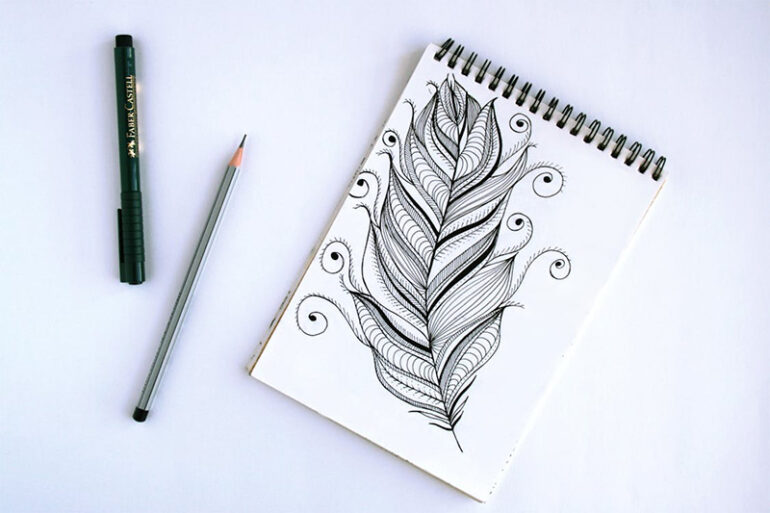
A blank page can unsettle even the most enthusiastic creative. The fear isn’t ink stains or an imperfect first stroke; it’s the intimidating weight of possibility. A sketchbook journal clears that fog, blending words and sketches into something far more approachable than a pristine canvas. Here’s where rigid lines dissolve and mistakes become part of the charm. And before anyone says, “I can’t draw,” remember: nobody’s keeping score. This tool isn’t reserved for artists or poets; it welcomes planners, dreamers, day-jobbers with a pen in hand—anyone craving a better way to hang onto thoughts before they slip away.
Choosing Your Tools Wisely
Pens, pencils, markers—each one claims to be “essential.” Nonsense. The so-called perfect materials don’t exist, only the ones that feel right when ideas start flowing. Some will declare allegiance to fineliners with archival ink or notebooks stitched in Italy as if importing inspiration matters more than grabbing what’s nearby. In reality? It’s paper that won’t bleed through and something comfortable to hold that counts most. That five-dollar spiral pad could beat out any designer brand if it invites regular use. Forget perfection; consistency trumps all in building this habit.
Finding Your Unique Approach
No universal formula dictates what belongs inside these pages. Dates? Detailed illustrations? Grocery lists scrawled beside wild landscape doodles? All fair game. One person might map out dreams in elaborate diagrams; another lets phrases tumble across margins without order or punctuation. Trying to mimic someone else’s process dooms the whole experiment from the start—a name-brand recipe for burnout in a world already crowded with comparison traps. Instead, let content evolve based on mood and curiosity rather than imagined rules about what “should” appear.
Making Sketchbook Journaling a Habit
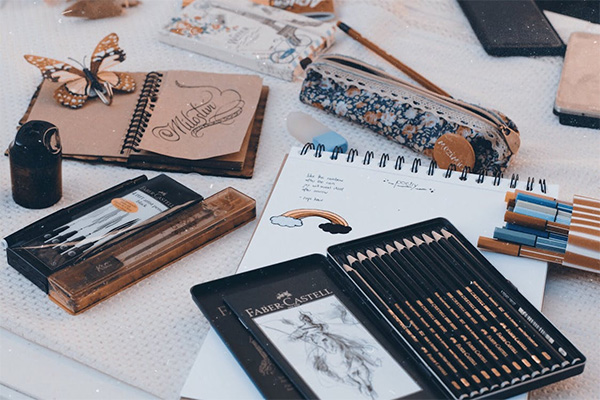
Skipping days happens—the trick lies not in punishment but return visits after detours. Stack the notebook somewhere visible: desk corner, bag pocket, nightstand next to half-finished novels and alarm clocks set too early. Ritual helps but doesn’t require incense or Gregorian chants—just ten minutes snatched between meetings or while waiting for water to boil does wonders over time. What matters isn’t daily output but repeated engagement until reaching for that sketchbook becomes second nature rather than obligation.
Turning Imperfection into Strength
Perfectionism ruins more sketchbooks than spilled coffee ever could. Plenty abandon journals at the first cringeworthy scribble or after some lopsided attempt at perspective sours their confidence for weeks on end. Yet those so-called flaws—smudges, crooked lines, rambling notes—signal progress better than any polished spread found online ever will because they prove action happened at all! Every mistake is proof of momentum rather than evidence of failure, transforming uncertainty into something worth returning to again and again.
Starting remains harder than theory promises—but staying curious changes everything about that struggle against emptiness on paper. What emerges from sketchbook journaling isn’t just records of passing days but growing evidence of grit and imagination combined—a meeting point between thought and image where neither needs permission from anybody else to belong there at all.
Photo Attribution:
1st & featured image by https://www.pexels.com/photo/spring-book-with-feather-sketch-826114/
2nd image by https://www.pexels.com/photo/assorted-drawing-pencils-1469902/

