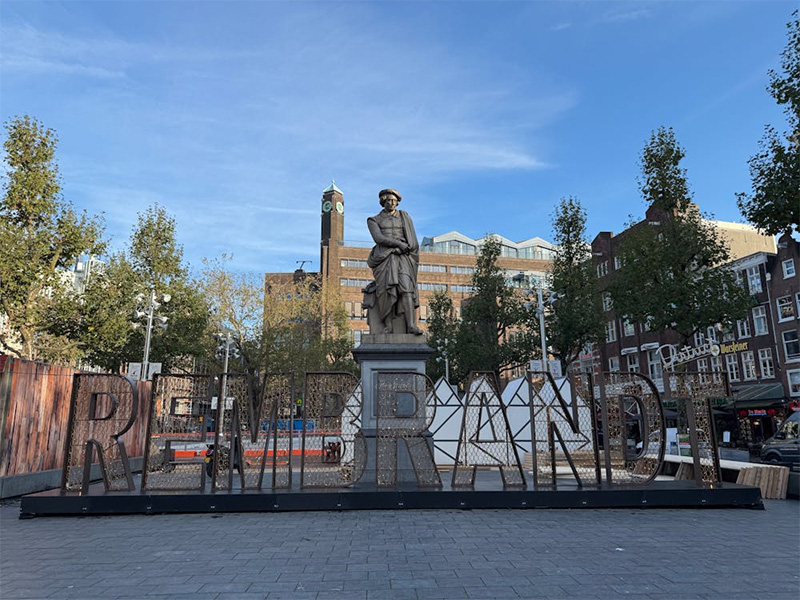
A face on canvas shouldn’t breathe, yet his do. Eyes stare back with the rude confidence of real people who don’t care that someone watches. Light hits a cheek, and suddenly there’s heat, mood, past mistakes. And the paint isn’t smooth; it clumps, scratches, drags across linen like a voice clearing its throat. So the effect sneaks up: first a painting, then a person, then a whole life. No digital screen manages that, no matter how sharp the pixels boast. The work traps time and then talks straight through it.
Light That Behaves Like Thought
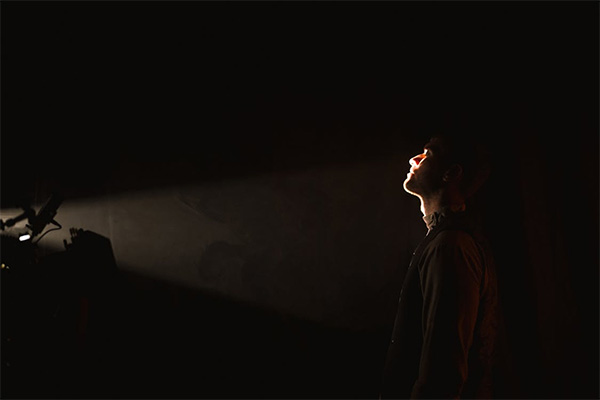
Painters talk about light; he weaponizes it. A forehead shines, a jaw sinks into murk, and the mind instantly sorts what matters from what can rot in shadow. And this isn’t polite studio glow. It crashes in like a stage spotlight and then softens into something almost tender. So the brightest patch often lands not on beauty but on doubt: a wrinkled brow, a swollen nose, a sagging eye. The light thinks. It judges. It turns flaws into the most important facts in the room, then invites the viewer to share that harsh attention.
Brushwork That Refuses Good Manners
Seen up close, the so-called realism falls apart. Noses crumble into wild strokes, hair erupts in wiry streaks, and skin looks smashed together from mud and honey. And none of this apologizes. The paint piles up where the emotion spikes, thins out where the attention drops. So the surface behaves like a record of thought: thick, frantic marks around the eyes, quieter sweeps along a collar. The face never freezes. It flickers, as if the next blink or sigh already presses against the canvas, waiting for another stroke that never quite arrives.
Psychology Without Mercy
No one gets flattered. Not the rich, not the artist, not the relatives dragged into posing. Every sitter stands exposed, as if the painting eavesdrops on private thoughts. And the gaze rarely settles into neat heroism. Eyes drift, pinch, glare, or glaze with boredom. So the viewer senses conflicting stories: pride wrapped around fear, tiredness hiding under velvet, affection mixed with irritation. The portraits don’t perform sainthood or villainy. They record the exact weather inside a person on one stubborn, unrepeatable afternoon, while hinting that tomorrow’s forecast might look even stranger.
Time Mixed Into The Pigment
These faces age even inside the same frame. A wrinkle doesn’t just sit; it hints at every squint that carved it. And clothing slumps, jewelry loses its swagger, as if the material world already starts giving up. So the portraits feel less like snapshots and more like condensed biographies. The artist keeps his own features on repeat, too, tracking his drift from hot ambition to bruised wisdom. The paint absorbs birthdays, debts, funerals, small wins. Time doesn’t pass around the figures; it sits inside them, muttering, and the viewer overhears that low, stubborn murmur.
What people call “alive” in these works comes down to risk. Every choice courts failure: too much shadow, brutal honesty, absurdly thick paint. And that risk shows. The portraits never feel safe or committee-approved; they feel argued over, scraped, repainted, tolerated. So the viewer meets not just a sitter, but the fight to see that sitter clearly. Light, brush, and psychology gang up to cancel distance. Centuries collapse, and a stranger’s tired, stubborn, complicated face insists on sharing the same air for a while, like someone who refuses to leave the conversation.
Photo Attribution:
1st & featured image by https://www.pexels.com/photo/rembrandt-statue-at-rembrandtplein-amsterdam-34878808/
2nd image by https://www.pexels.com/photo/light-on-face-in-darkness-13812462/

