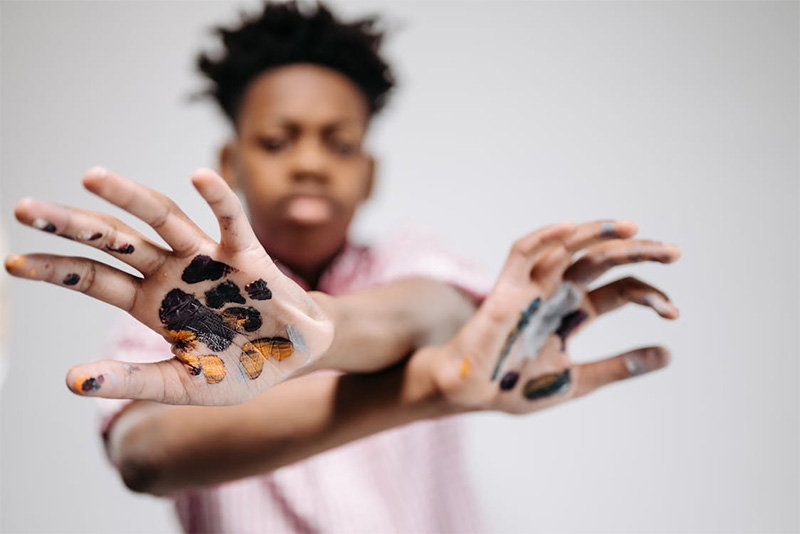
Artistic style never arrives like a polite guest. It barges in. It picks fights with taste, with training, with the desperate wish to look “finished.” The most interesting artists share an odd trait. They stop treating style like a costume and start treating it like a trail of evidence. Every sketch, every draft leaves fingerprints. Some look like influence. Some look like fear. Some look like a cheap trick repeated too often. What this truly signals is simple. Style forms when choices stack up, when constraints bite, when a maker keeps showing up after the first thrill evaporates.
Steal Like a Scholar, Not a Tourist
Influence isn’t a crime. Weak influence is. The tourist copies the surface and calls it homage. The scholar copies the structure, the engine, the reason the thing works. A painter studies how edges get controlled, not how a cuff gets rendered. A songwriter studies tension and release, not just a chord loop. “Originality” often appears when influence gets specific. Pick three sources that clash. A comic strip. A Renaissance portrait. A diner menu. Study each, then force them to coexist in one piece. The friction produces decisions. Decisions harden into habits. Habits become style.

Constraints Make the Work Tell the Truth
Freedom sounds noble. Freedom also creates bland work. Constraints expose intent. Set a rule and watch what happens. Two colors for a week. Only straight lines. One brush. Five notes. The mind complains, then it adapts, then it invents. A limit forces a maker to choose what matters. A limit also makes repetition visible. The same shortcut shows up again and again. Good. Now it can get fixed or turned into a signature. What this truly signals is that style grows from pressure. No pressure, no diamonds. Only smudges and excuses.
Build a Personal Canon of Mistakes
Most people hide the ugly drafts. That instinct slows growth. The better move is clinical. Save the failures. Label them. Date them. Study them like a biologist studying a stubborn virus. What keeps breaking. Anatomy. Perspective. Color harmony. Pacing. This isn’t self-punishment, it’s intelligence. Patterns appear fast when records exist. One piece fails because the focal point wanders. Another fails because contrast stays timid. A third fails because the concept lacks teeth. Corrections become preferences. Preference after preference becomes a system. That system starts to look like a style because it keeps recurring.
Make Output a Ritual, Not a Mood
Style doesn’t bloom in rare inspiration. It grows in boring consistency. A ritual beats a mood every time. Set a schedule that feels almost embarrassing in its simplicity. Thirty minutes daily. One small piece every weekend. One study before any “serious” work. The body learns speed. The eye learns standards. The hand learns what it likes. Then something sneaky happens. The work starts to resist imitation because internal timing changes. Timing matters. The way a line tapers. The way a sentence lands. Practice turns micro-decisions into reflexes, and reflexes look like identity.
A unique artistic style doesn’t need to look strange to count. It needs to look honest. Honest means the choices connect. Honest means the work shows what gets loved, what gets feared, what gets repeated, what gets cut. Some artists chase novelty and end up with borrowed masks. Others commit to study, constraints, visible mistakes, and steady output. Their style arrives the way handwriting arrives. Slowly. Inevitably. Handwriting comes from years of small motions, not from a speech about individuality. The same rule governs art. Keep the influences sharp, keep the limits real, keep the failures visible, keep the ritual unglamorous. The pieces will start to agree with each other. The voice will start to argue with everyone else’s.
Photo Attribution:
1st & featured image by https://www.pexels.com/photo/a-black-paint-on-person-s-hands-8382728/
2nd image by https://www.pexels.com/photo/scientist-in-white-shirt-8851605/

