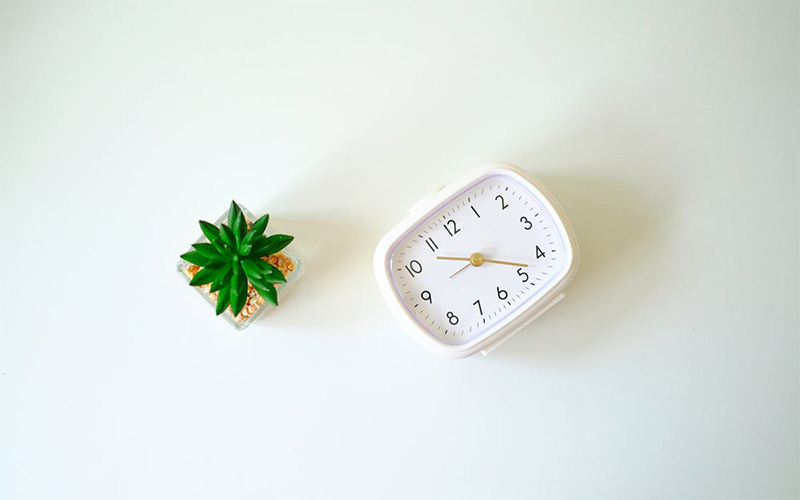
Minimalism keeps getting sold as a style choice, as if the whole thing lives or dies by white walls and a single sad houseplant. That pitch misses the point. Minimalism acts more like a discipline, closer to budgeting than decorating, and closer to editing than shopping. It asks an annoying question, the kind that ruins a casual afternoon in a store. Does this object, commitment, or habit earn its keep. The idea sounds gentle. The practice isn’t. It forces tradeoffs, and tradeoffs reveal values. People don’t just own stuff. Stuff owns calendar space, attention, floor space, and the energy required to manage it.
The Myth of the Empty Room
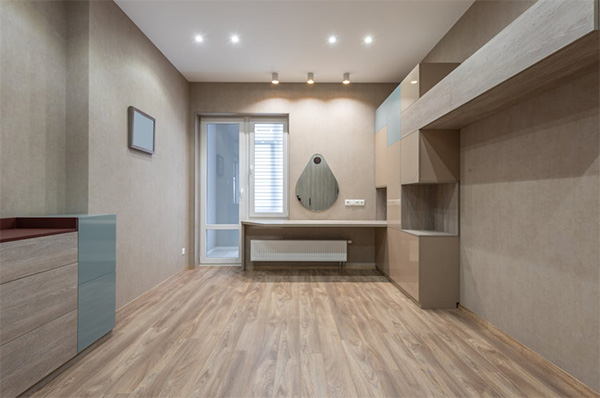
Minimalism doesn’t mean living inside a sterile box. That fantasy sells well on social media because it photographs cleanly. Real life doesn’t cooperate. Someone cooks. Someone sweats. Someone drops a backpack on the chair. The serious version of minimalism focuses on function and friction. Fewer items can cut friction because fewer items demand sorting, cleaning, storing, repairing, and replacing. The trick hides in the word fewer. Fewer than what. Fewer than last year. Fewer than the number that makes daily life feel jammed. A minimalist home can still hold books, tools, toys, and art. It refuses junk disguised as “maybe someday.”
Attention Is the Real Currency
Objects look like the target, yet attention takes the real hit. Every extra thing creates micro-decisions. Where does it go. Do we keep it. Do we need another one. That mental tax adds up. People blame exhaustion on work, news, and screens. Those matter, sure. Clutter matters too, because clutter restarts the brain’s scanning system like a car alarm that never shuts off. Minimalism works best when it treats attention as scarce and precious. A pared-down environment supports deeper focus, and deep focus supports better judgment. The chain reaction feels rude in its simplicity.
Minimalism as an Ethics of Enough
Minimalism has a moral edge, even when people pretend it doesn’t. Buying less means producing less demand for extraction, shipping, packaging, returns, and waste. That’s not virtue signaling. That’s arithmetic. The culture of endless upgrade cycles teaches impatience. New phone. New sofa. New identity. Minimalism pushes back with a stubborn idea. Enough exists. This doesn’t require living poor on purpose. It requires honesty about what purchases solve. Some spending buys freedom, like a reliable car or a good mattress. Some spending buys a short dopamine spike and a longer burden. Minimalism draws that line and refuses to apologize.
The Hard Part: Social Pressure and Sentiment
The worst clutter often arrives wearing a smile. Gifts. Hand-me-downs. Family keepsakes. Promotional freebies tossed into bags like confetti. Decluttering a closet feels easy compared to declining another object that comes with emotional strings. Minimalism runs straight into social pressure because consumer culture doubles as a language of affection. People give stuff when they don’t know what else to give. Sentiment complicates everything, and it should. Memory matters. The minimalist move isn’t cruelty. It’s selection. Keep the items that carry a story. Let the rest go without performing guilt. Relationships don’t live inside boxes. They live in actions, time, and care.
Minimalism, at its best, looks less like deprivation and more like design that begins with subtracting. The point isn’t to win a contest for the fewest plates. The point is to stop letting unchosen accumulation set the terms of daily life. Minimalism invites a person to pick a standard for “enough” and defend it against the push of advertising, habit, and polite obligation. That defense can feel awkward. Awkwardness signals growth. A life with fewer pointless possessions opens space for better possessions, better routines, and better rest. The practice stays ordinary, even unglamorous. That ordinariness gives it power.
Photo Attribution:
1st & featured image by https://www.pexels.com/photo/a-clock-and-a-plant-on-a-white-surface-15988489/
2nd image by https://www.pexels.com/photo/spacious-room-with-cupboards-and-door-6489111/

