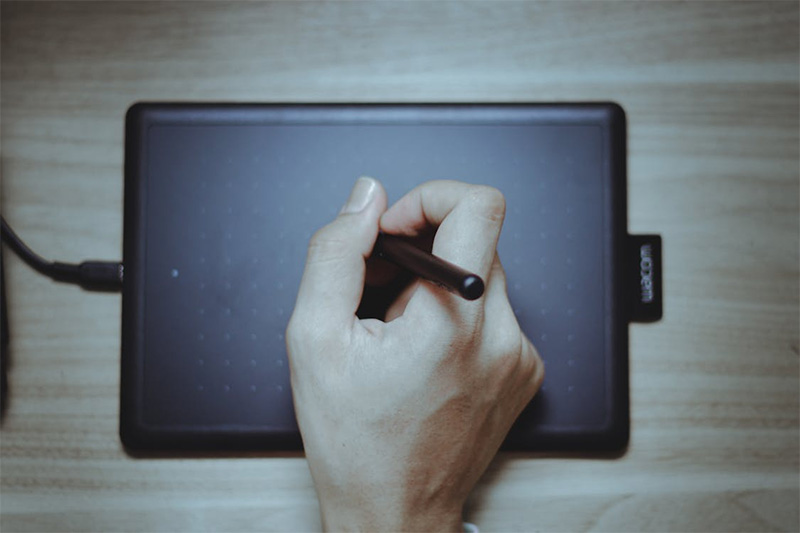
Digital art tools didn’t stroll into culture politely. They kicked the door. One decade, art happened in studios that smelled like solvent and fear. The next, it happened on trains, in dorm rooms, in office lunch breaks, in the glow of a tablet that never asks permission. What this truly signals is a power shift. Not “technology helps creativity.” That slogan belongs on a corporate poster. The real story sits in the messy middle, where software teaches new habits, where undo buttons change courage, where distribution sits one click away and critics scramble to keep up.
From Brush to Buffer
Traditional tools demand commitment. Paint dries. Ink stains. Paper remembers every bad decision. Digital tools refuse that permanence, and that refusal changes behavior. The undo key doesn’t just fix mistakes. It trains risk-taking. Layers don’t just stack colors. They split thought into movable parts, like drafting an argument and rearranging it until it bites. Skeptics sneer that this makes artists lazy. That claim collapses on contact with reality. Digital workflows punish laziness fast. A messy file explodes later at export time. Discipline didn’t vanish. It moved from the wrist to the mind.
The New Studio Is a Screen
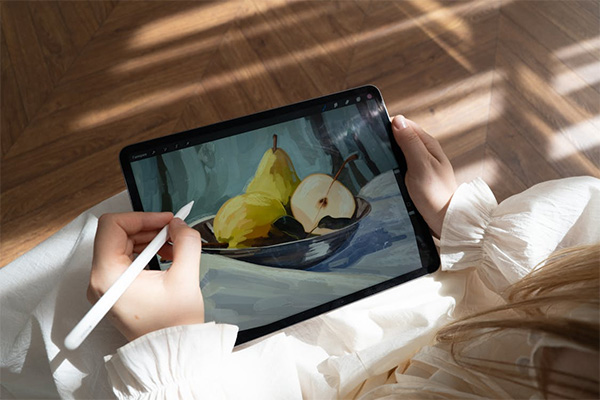
A studio used to mean space, rent, and a locked door. Now it means a screen with enough pixels to show the lie and the truth at the same time. Tablets, pen displays, even phones, they turned art-making into something portable and strangely public. That sounds romantic until the reality lands. Notifications interrupt focus. Battery life dictates ambition. Color shifts under sunlight, and suddenly the artist fights physics again, only in a new costume. The screen studio makes iteration cheap, collaboration easier, and archiving automatic. It also tempts endless tweaking. A file can stay “almost finished” forever.
Communities, Markets, and the Algorithmic Gate
Digital tools didn’t rise alone. Platforms rode shotgun. The same device that paints also posts, sells, streams, and begs for attention. The artist doesn’t just make work. The artist packages identity, schedules drops, studies analytics, and wonders why yesterday’s post performed better than today’s. The algorithm becomes an editor with no taste and endless authority. Some call that democratization. Real democratization needs more than access. It needs discoverability without humiliation. Techniques spread at ridiculous speed. A brush pack becomes a style in a week. Gatekeeping didn’t die. It changed clothes and moved into feeds and storefronts.
Education, Ethics, and the Question of Authenticity
Art education once revolved around observation and critique in a room where silence could feel like judgment. Digital tools cracked that model open. Students learn from recorded lessons, shared files, and paint-overs from strangers across the planet. That can turn learning into copying if nobody teaches why choices matter. Ethics shows up fast. Stock textures, premade models, and filters slip into work without reflection. Then the loud question arrives. What counts as authentic? Purists demand visible struggle, as if effort alone creates value. Authenticity comes from intention, from clarity about sources, from taste that can’t be downloaded. Digital tools don’t erase authorship. They force artists to explain it.
The rise of digital art tools looks like convenience from far away. Closer up, it looks like a reshaping of labor, identity, and courage. The best work still requires taste, patience, and a ruthless eye. Software can’t donate those traits. It can only expose their absence. Meanwhile, the pipeline from sketch to audience keeps shrinking, and that compression changes what artists dare to attempt. Shorter feedback loops reward bold experiments and punish fragile egos. New tools will keep arriving, shinier and louder, promising speed and magic. Serious artists will ignore the hype and focus on control over line, color, composition, and the story a piece tells when nobody reads the caption.
Photo Attribution:
1st & featured image by https://www.pexels.com/photo/a-person-holding-black-stylus-pen-7315757/
2nd image by https://www.pexels.com/photo/a-girl-drawing-on-a-tablet-19245294/

