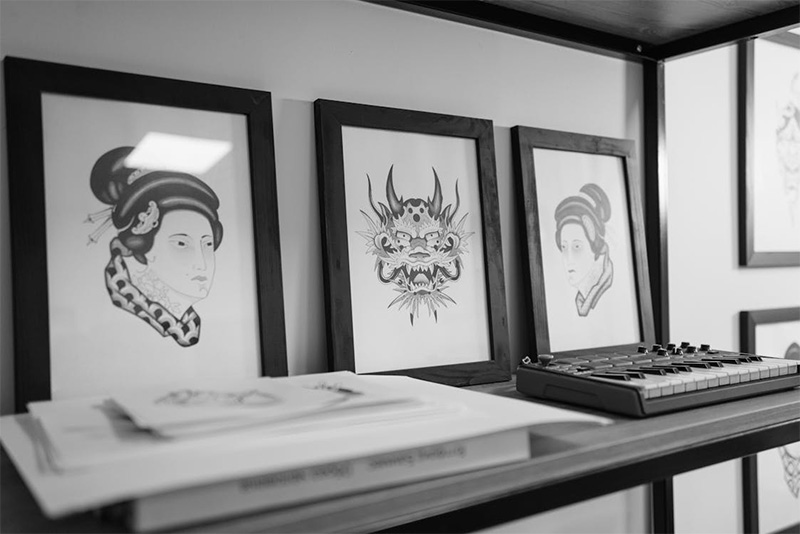
Japanese woodcuts sit at the crossroads where mass production and high art stop pretending to hate each other. A single design could pass through many hands, meet paper that drank pigment, then land in shops with prices ordinary townspeople could handle. That fact rattles old museum habits. Art, in this case, didn’t wait for aristocrats to bless it. It moved fast. It looked sharp. It carried gossip, weather, desire, religion, and the daily comedy of city life. Calling these prints “charming souvenirs” misses the point. They formed a visual language that trained eyes, shaped taste, and made modern image culture feel inevitable.
A Machine for Beauty
Woodcuts mattered because they turned collaboration into style. A designer drew. A carver cut. A printer pulled color after color. Publishers kept the enterprise aimed at the market. This wasn’t a lonely genius brooding in a studio. It was closer to theater. Somebody wrote the play, another built the stage, another handled lighting, and the audience still left talking about the star. The print’s crisp line came from the knife. Flat color fields came from careful registration. Minor misalignments taught viewers to accept energy over polish.
Line and the Proud Flat Surface
These prints make a blunt claim. Depth can wait. The picture plane can stay flat and still feel rich. The line doesn’t model form with soft shading. It states form. Color blocks don’t whisper. They declare. Negative space stops acting like empty air and starts acting like architecture. A sky can sit in one tone and still suggest wind. A robe pattern can carry more emotion than a carefully rendered cheek. That choice isn’t naive. It’s disciplined. It forces attention onto design, rhythm, and timing. The best prints feel edited, like good prose. Anything unnecessary gets cut.
The City on a Single Sheet
Japanese woodcuts didn’t float above life. They chronicled it. Actors posed in roles, not as private citizens, and that performance culture shaped sharp gestures and bold faces. Courtesans appeared as icons of fashion and desire, then also as lessons in the politics of looking. Landscapes arrived as routes, stations, bridges, rain showers, and snowfalls that interrupted travel plans. One sheet could sell a season. One series could build a tourist’s mental map before travel. That habit sounds modern because it is. Advertising, celebrity imagery, and serialized storytelling share the same trick. Images don’t just reflect life. They script it.
Shockwaves Across Oceans
The prints hit Europe and artists reacted like a thunderclap. Painters and designers saw asymmetry that felt alive. They saw cropping that behaved like a camera long before most people owned one. They saw everyday subjects treated with seriousness, then copied the nerve of it. This influence didn’t stay in painting. It seeped into posters, book illustration, and later into animation and comics. A medium built for wide sale helped rewrite elite art. Cultural exchange also carries risk. Admiration can slide into grabbing, then into mythmaking. Still, the formal lessons remain. Bold design can carry poetry without needing oil paint or marble.
The lasting importance of Japanese woodcuts rests in their confidence. They treat line as law. They treat color as structure. They treat the ordinary as worthy of attention. That combination reshaped how images work in public life, from galleries to street posters to the glowing rectangles that now run daily routines. Something else matters too. These prints show that art history can’t cling to the fantasy of solitary creation. A team can make a masterpiece. Commerce can sit next to beauty without contaminating it. The woodblock tradition also warns against lazy nostalgia. The best sheets don’t beg for reverence. They demand alert looking. Attention meets design. Design meets emotion. The result still feels bracing.
Photo Attribution:
1st & featured image by https://www.pexels.com/photo/drawings-in-a-picture-frames-6593334/
2nd image by https://www.pexels.com/photo/an-artist-s-illustration-of-artificial-intelligence-ai-this-illustration-visualises-an-artificial-neural-network-as-physical-objects-the-complex-structure-represents-a-network-of-infor-17485707/

