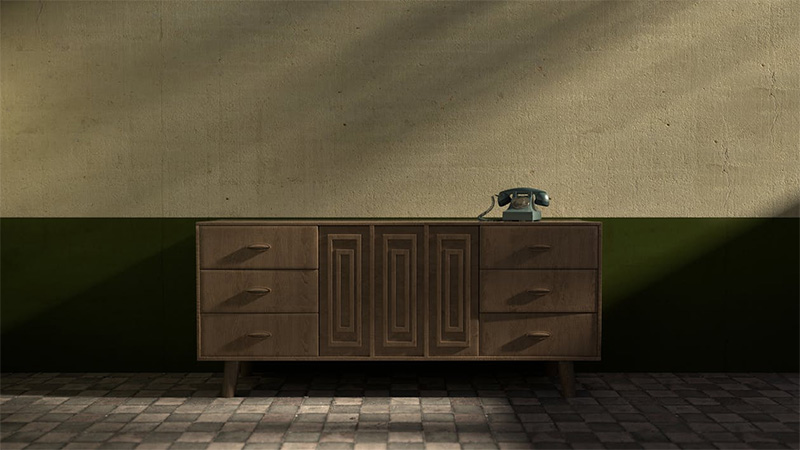
Mid century modern design sits in that rare category of styles that looks obvious only after it exists. Clean lines. Calm rooms. Furniture that refuses to apologize for having legs. This wasn’t decoration for decoration’s sake. It argued with the fussy gloom of prewar interiors and won. The style came from a moment when industry could finally make good on its promises and ordinary households could buy objects that looked sharp, worked well, and didn’t drown in ornament. Some styles beg to be admired from a distance. This one invites daily contact.
Lines That Mean Business
The first shock of mid century modern is how little it begs. The shapes stand upright and self-contained, as if the objects know their job and plan to do it. Straight lines dominate, then a curve appears at the exact moment the eye would get bored. That restraint reads like confidence, not austerity. Many people confuse simplicity with emptiness. That mistake collapses after one good look at a walnut credenza or a thin, precise chair frame. The pieces look light, yet they hold real weight. Designers cut away visual noise, then left behind proportions so exact they feel inevitable.
Materials With a Point of View
Mid century modern doesn’t treat materials as mere skin. Wood shows grain on purpose. Metal shows shine on purpose. Plastic shows color on purpose. Each choice makes an argument about the future and the everyday at the same time. Walnut and teak bring warmth that keeps the geometry from turning cold. Steel and aluminum add a crisp edge. Then comes molded plywood, fiberglass, and early plastics. They let makers form seats and shells that older craft methods couldn’t easily produce. The style refuses the old snobbery that only one material counts as “real.”
Homes Built for Living, Not Performing
The rooms that suit this design philosophy don’t act like museums. They behave like functional ecosystems. Open plans encourage movement and conversation instead of forcing people into parlor rituals. Low-profile sofas and chairs keep sightlines open, which makes even smaller spaces feel generous. Storage turns into a serious topic, not an afterthought, and that’s why sideboards and built-ins feel so central. Lighting stops trying to imitate candles and starts doing the honest work of lighting. A good sconce aims where it should. A floor lamp creates a pool of clarity for reading.
Color, Pattern, and the Brave Little Accent
Anyone claiming mid century modern equals beige and boredom hasn’t paid attention. The base often stays neutral, and that’s strategic. A calm field lets a single color hit with full force. Mustard. Avocado. Turquoise. Burnt orange. These hues don’t whisper. They puncture the room. Patterns join in, especially geometric prints that echo the architecture and furniture lines. The trick lies in scale and restraint. One bold rug can carry the room. Too many competing statements ruin the effect. Mid century modern understands editing. That skill separates a coherent interior from a thrift store pile-up.
The lasting appeal of mid century modern design comes from its refusal to lie. The furniture doesn’t pretend it belongs to a palace. The rooms don’t pretend life stays perfectly tidy. The objects tell the truth about how people sit, read, eat, talk, and scatter their possessions. This honesty pairs with a forward-looking spirit that still feels fresh, even after decades of imitations. Copycats often grab the silhouettes and miss the ethic. The ethic says form and function can cooperate without becoming dull. It says industry can serve beauty without turning everything into cheap clutter.
Photo Attribution:
1st & featured image by https://www.pexels.com/photo/brown-wooden-cabinet-3435212/
2nd image by https://www.pexels.com/photo/geometric-abstract-pattern-with-triangles-31759172/

