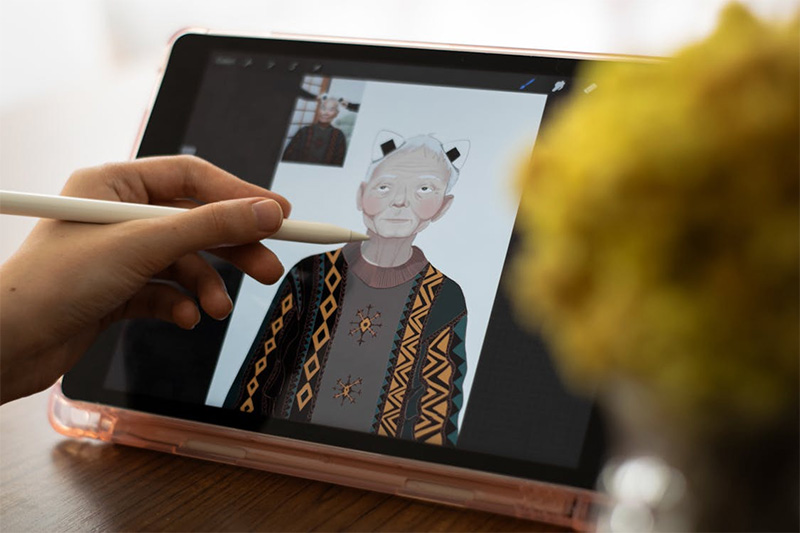
Digital illustration didn’t arrive politely. It barged in, trailing wires and fan noise. Early on, serious artists scoffed. Serious engineers smirked. Both groups missed the point. The point wasn’t purity. The point was control. A stylus could mimic graphite, then do something paper never allowed, like undo time. That trick rewired expectations. The sketch didn’t have to be precious. Mistakes became fuel. Speed became style. A new kind of draftsmanship emerged, equal parts hand skill and interface literacy, and it kept mutating.
Pixels, Patience, and the Early Machines
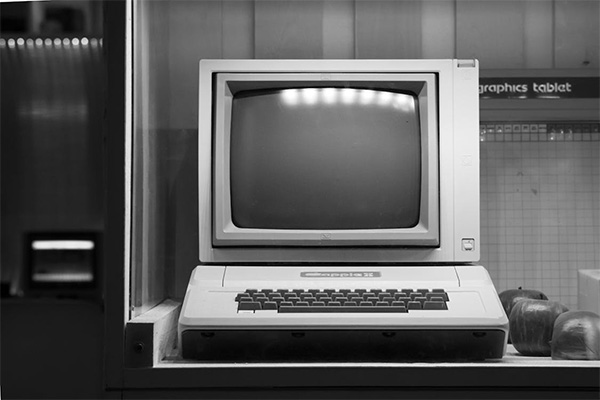
The first era looked nothing like the glossy posters sold at conventions today. Screens showed chunky pixels. Colors banded. Lines jittered. Hardware demanded stubbornness, not inspiration. Artists worked around lag and tiny canvases that felt like painting through a keyhole. Yet discipline sharpened in that cramped space. Limitations taught economy. One clean line mattered because redrawing cost time. Constraints don’t kill art, they breed a new grammar. Those early tools also introduced a heresy. A file could travel instantly. Revisions could happen without reprinting. The illustration stopped behaving like an object and started behaving like a living document.
Software Brushes and the Myth of “Natural”
Brush engines changed the conversation. Programs promised “natural media,” as if authenticity lived inside a dropdown menu. That promise sounded comforting, yet it carried a quiet insult. It implied the new medium should stay trapped in old habits. Digital illustration thrived when artists stopped chasing perfect oil impersonations and started chasing effects only code could make believable. Layer modes invented new lighting logic. Selections and masks turned composition into something closer to sculpture. A drawing could evolve by carving away, not only by adding. Complaints about undo always ring hollow. Painters scraped and repainted for centuries. Digital just made the scraping faster.
Tablets, Screens, and the Return of the Hand
Serious pen tablets fixed a cultural problem. Artists needed the hand back. Mouse-based drawing felt like writing with a bar of soap. Tablets restored gesture, pressure, and the small tremors that make a line feel alive. Direct-on-screen pen input tightened the eye-hand loop. Draftsmanship improved because the body could think without translation. Training shifted too. Tutorials exploded because updates kept moving the furniture. Artists learned constantly, and that became identity. Digital illustrators started sounding like mechanics. Hotkeys, calibration, color profiles. That technical talk didn’t erase artistry. It exposed how much craft always sat beneath the romance.
Networks, Markets, and the Algorithmic Gallery
Once sharing became frictionless, illustration stopped waiting for gatekeepers. That liberation came with a price. Platforms turned images into currency and attention into rent. Styles drifted toward what feeds reward. Clean silhouettes. Loud color. Familiar tropes that read in half a second on a phone. Some call that decline. That’s too simple. It’s adaptation under pressure, like plants bending toward light. Collaboration sped up. Art directors could comment in real time. Teams could build worlds across continents. Fan communities could boost unknown artists overnight, then forget them by the next week. The “gallery” became a scroll, and the scroll never pauses to bow.
Digital illustration keeps evolving because it sits between two restless forces. Artists want sharper expression. Technology wants to sell the next upgrade. Each side drags the other forward. New tools now generate textures, suggest palettes, even propose compositions, and debates flare around authorship. That debate often misses the practical truth. Illustration has always depended on tools, from charcoal to airbrush. The medium changes, the need stays. Someone still decides what matters in the image. Someone still chooses the moment, the mood, the point. The future won’t crown a single “correct” workflow. It will reward artists who treat software as a studio assistant, not a substitute for judgment, and who keep visual taste sharper than processors.
Photo Attribution:
1st & featured image by https://www.pexels.com/photo/hand-drawing-with-pen-on-tablet-17890948/
2nd image by https://www.pexels.com/photo/black-and-white-photography-of-a-vintage-computer-22763683/

