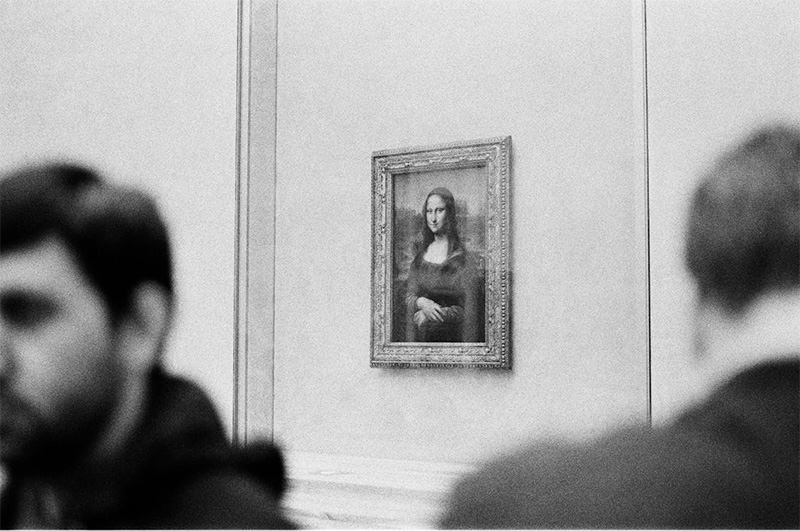
Genius gets treated like a decorative label, something tossed on a museum placard and forgotten. That lazy habit collapses in the presence of Leonardo da Vinci. Here stands a mind that refused to stay in one room. Painting mattered, yes. Anatomy mattered. Mechanics mattered because motion tells the truth when words lie. The notebooks read less like tidy research and more like a brain caught thinking, correcting, doubling back, pouncing forward. The power wasn’t a single skill. The power was a refusal to accept borders between skills.
A Painter Who Wouldn’t Behave
Plenty of painters learned technique. Leonardo treated technique as a starting point, then made it misbehave. Light didn’t just illuminate faces. Light described volume, mood, and time. Shadow became a tool of persuasion. The softness around edges didn’t come from mystical vibes. It came from observation so stubborn it bordered on rude. A lesser artist copies what a teacher says a smile looks like. Leonardo watched how cheeks pull, how eyelids negotiate with emotion, how a grin can mean tenderness or threat. Portraiture turned into psychology. That’s why the work still stares back and insists.
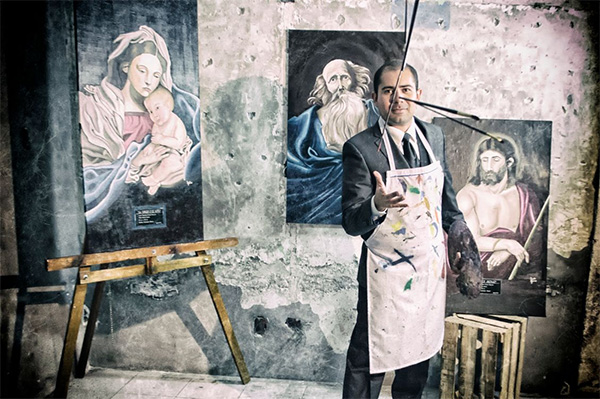
Notebooks: The Laboratory on Paper
The notebooks don’t read like a polished manual because Leonardo didn’t think like a bureaucrat. One page jumps from a gear sketch to a flood diagram. That jumpiness isn’t a flaw. That jumpiness is the method. Curiosity drove the pen, not a grant proposal. Drawings of machines sit beside studies of plants because structure repeats across nature and art. A spiral in water starts talking to a spiral in hair. A hinge in armor starts talking to a hinge in a bird’s wing. This signals a mind that hunted principles, not trivia. The page became a workshop where ideas collided, shattered, then recombined.
Anatomy Without Sentiment
Many Renaissance thinkers praised the human body as a divine miracle, then politely avoided the messy details. Leonardo wanted the messy details. Muscle layers, tendons, the way ribs arc like engineered beams. He chased function. He chased cause. A hand wasn’t a symbol of blessing. A hand was a machine with pulleys, tension, and fine control. Dissection demanded nerve, time, and a willingness to offend squeamish patrons. Leonardo kept going. The drawings show care without syrupy reverence. When a figure twists in a painting, the twist feels earned because bones and muscles follow rules, not fantasy.
Engineering Dreams, Practical Eyes
The popular story loves flying machines and war devices because spectacle sells. The real fascination lies in how Leonardo looked at problems. Water management, bridge designs, fortifications, mechanical motion. Each demanded an ability to imagine forces that can’t be seen. Weight. Pressure. Torque. Flow. Art trained the eye to measure. Engineering trained the imagination to test. Even the failures matter. Designs that never left paper still reveal a habit of thinking in systems, where every part argues with every other part until coherence emerges.
Leonardo da Vinci remains difficult because the work refuses neat categories. Modern culture likes specialists, tidy job titles, and clean lanes on the highway. Leonardo kept driving across lanes, then asked why the lanes existed. The paintings show a scientist’s patience. The science shows an artist’s sensitivity to form. The notebooks show a mind that valued questions more than applause. Is genius talent alone. No. Genius here looks like appetite plus discipline, sharpened by relentless looking. Reality rewards those who observe harder than they assume, then build connections where polite thinking sees only walls.
Photo Attribution:
1st & featured image by https://www.pexels.com/photo/black-and-white-photo-of-a-mona-lisa-painting-5466867/
2nd image by https://www.pexels.com/photo/painter-with-apron-beside-portrait-paintings-763210/

