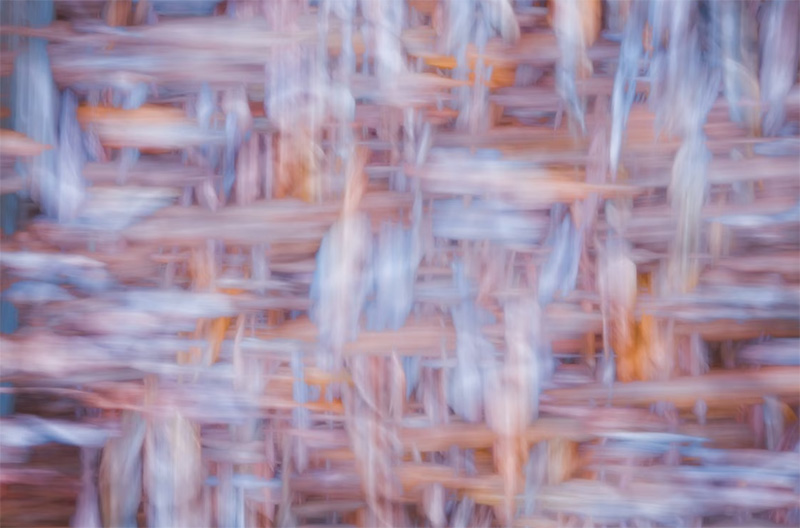
Midcentury American painting did not drift gently from one mode to another. It snapped. The thick heroics of Abstract Expressionism had dominated the room, all swagger and paint flung like a declaration of emergency. Then a cooler instinct arrived. Hard edges appeared. Flat color spread across the canvas without apology. Gesture lost its throne. What this truly signals is not a rejection of abstraction, but a refusal of melodrama inside abstraction. Critics and painters began to favor clarity, openness, and surface. The canvas stopped acting like a battlefield and started acting like a field.
After the Roar
Post-painterly abstraction emerged in the 1960s as a correction. A culture can tire of its own grand voice. The emotional density of Pollock, de Kooning, and Rothko had become canonical, often the first step toward exhaustion. Young painters did not want to perform anguish on command. They wanted space. They wanted color that didn’t look mauled by the brush. Clement Greenberg helped name the tendency and frame it as a move toward clarity. Critics love labels because labels give chaos a filing cabinet. Painters stripped away impasto, reduced evidence of the hand, and let shape and hue carry the force.
Color Without Drama
Color field painting opened one door, and post-painterly abstraction walked through it with calm. Helen Frankenthaler stained unprimed canvas so that color soaked in rather than sat on top. That move changed the emotional weather of painting. Morris Louis and Kenneth Noland followed with works that felt airy and deliberate. Flatness no longer served as theory alone. It became a sensual fact. Modern art often gets trapped in a false split between thought and feeling, as if a clean surface can’t move anyone. Nonsense. A broad band of color can hit with the force of music. Like a trumpet note held with confidence.
Edges, Order, Nerves
The crisp geometry linked to many of these painters did not kill feeling. It rerouted feeling. Hard-edge painting, with figures like Ellsworth Kelly and Al Held nearby, favored exact boundaries and strong formal decisions. Yet these canvases are not cold in any simple sense. Cold is the lazy adjective of viewers who confuse restraint with emptiness. A sharp contour can create tension just as surely as a frantic brushstroke. Architecture knows this. Jazz knows this too, especially when a player cuts silence into clean intervals. Order can vibrate. Control can unsettle. A smooth painting can carry nerves under skin.
A Different Kind of Freedom
What changed in this movement was the definition of artistic freedom. Earlier abstraction often treated freedom as release, as eruption, as visible struggle made noble. Post-painterly abstraction proposed another idea. Freedom could mean discipline. Freedom could mean removing clutter until color, scale, and edge speak with directness. That sounds austere, and austerity frightens people because it denies easy narrative. No tragic brushwork. No obvious confession. Fine. Painting never owed anyone a diary. The best works from this turn ask for a more alert eye, one willing to register proportion, interval, saturation, and spread. A whisper can expose more than a shout.
The movement’s importance rests in redefinition. It clarified what abstraction could do after the storm of heroic gesture had passed. By thinning the paint, cleaning the edge, and refusing theatrical struggle, these painters opened a sharper conversation about vision itself. Surface became active. Color became structure. Space stopped pretending to be depth and started declaring its literal presence. That sounds severe on paper. On the wall, it can feel liberating. That is the real shift. Not a retreat from intensity, not a sterile exercise, but a fresh grammar for painting, one that still shapes how contemporary artists think about flatness, control, and restraint.
Photo Attribution:
1st & featured image by https://www.pexels.com/photo/abstract-painting-of-a-bunch-of-wires-21847196/
2nd image by https://www.pexels.com/photo/devastated-house-interior-7996333/

