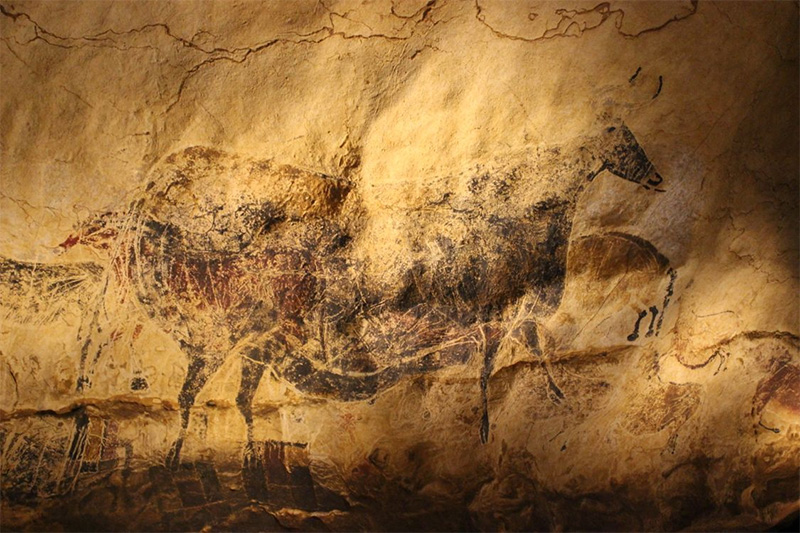
Long before cities or written law, human beings marked stone. That fact matters more than many museum labels admit. These images were not random doodles from a crude age. They showed intention, memory, fear, and control. Cave paintings and early carved figures did not appear by accident, and they did not spring from a simple wish to decorate empty space. People mixed pigment, chose surfaces, returned to chambers, and repeated forms because those acts served real purposes in hard lives. What this signals is the rise of symbolic thought in visible form. Art began when communities decided that marks could hold power beyond the moment that made them.
Marks Before History
The earliest artistic traces reach deeper into time than older textbooks once claimed. Scholars once pushed a tidy story in which advanced image-making appeared suddenly in Ice Age Europe. That story collapsed. Evidence from Africa shows engraved ocher, beads, pigment use, and repeated patterns from far earlier periods. Such finds shift the debate from beauty to thought. A scratched line on ocher may seem modest beside a painted bison, yet the mental leap matters just as much. Repeated pattern means intention. Intention means abstraction. That was the real break with the past.
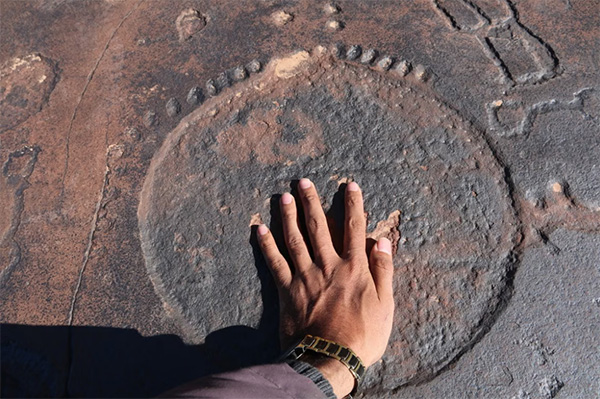
Why Deep Caves Mattered
The famous painted caves of Europe still dominate the public imagination for obvious reasons. Lascaux, Chauvet, Altamira. The images stun even now. Horses surge across walls. Lions stalk. Bison twist with force. Yet the setting matters as much as the animals. Many of these works sit far from daylight, in chambers that demanded effort, fire, planning, and nerve. That detail ruins the lazy idea that prehistoric art simply brightened living space. People entered dangerous interiors because the place itself likely held meaning. Ritual, initiation, hunting magic, storytelling, and group memory fit the evidence. Human motives rarely travel alone.
Pigment and Precision
One sentimental mistake appears again and again. Modern viewers praise early artists for raw instinct, as if they simply splashed color in wild emotion. The evidence shows discipline. They selected mineral pigments such as ocher, manganese, and charcoal. They ground and mixed them. They applied them with fingers, pads, brushes, or blown spray. They used cracks and bulges in rock to give bodies volume. That is not random expression. That is technical intelligence. Some figures even suggest motion through layered limbs or careful contour. Skill did not wait for cities or metal tools. It grew wherever attention hardened into craft.
More Than Decoration
Ancient art included far more than cave walls. Small figurines, carved bone, decorated tools, engraved stone, and body ornament widen the picture. Portable objects changed the social game. A cave image stayed in one charged place. A carved object could travel. It could mark status, carry memory, teach myth, or bind a group through shared symbols. This matters because it shows that artistic behavior did not belong to one region or one sacred function. It entered daily life. People wore meaning. They held meaning in the hand. They buried meaning with the dead. Art helped form society.
The search for the origins of cave paintings and ancient art leads straight to the core of what made humans human. Not bigger brains alone. Not sharper spears alone. Meaning. Shared meaning stored outside the body in signs, images, and crafted things. Early artists turned stone walls and small objects into carriers of memory and force, and later civilization never escaped that inheritance. Temples, flags, coins, posters, digital icons. The line runs through them. Cave paintings still grip the modern mind because they strip art to its first daring claim. A mark can outlast a life. People still live inside that ancient bargain.
Photo Attribution:
1st & featured image by https://www.pexels.com/photo/a-wall-painting-at-lascaux-cave-13735336/
2nd image by https://www.pexels.com/photo/hand-touching-ancient-rock-petroglyph-art-36819016/

