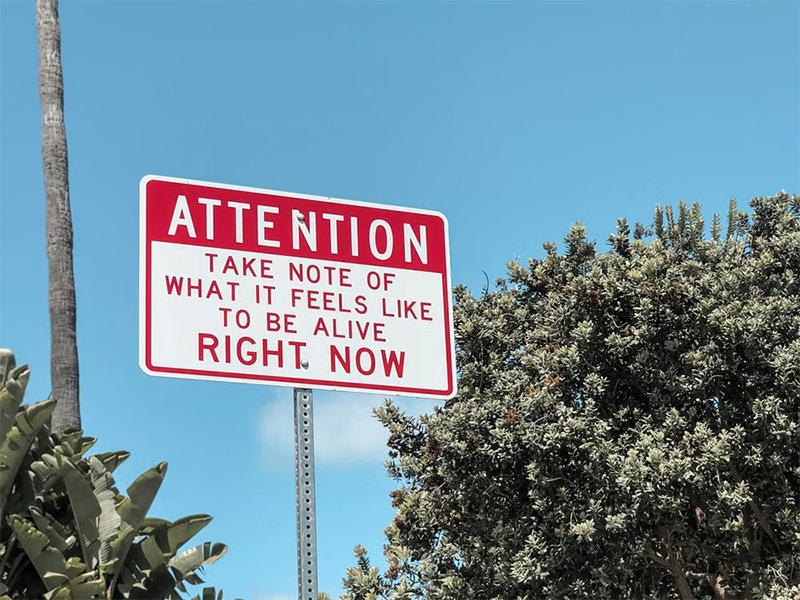
Most people think attention in a picture follows subject matter. A face grabs the eye. A bright object wins. A dramatic gesture takes command. True, sometimes. Yet painters, illustrators, and draftsmen know a harsher fact. The eye doesn’t simply chase objects. It hunts differences, and edges are among the strongest differences on the page. A hard edge can snap attention into place. A soft edge can let a form drift, breathe, hide. This is not trivia. Artists control where viewers look, how long they stay, and what feels important by deciding where boundaries turn crisp and dissolve.
Hard Stops
A sharp edge acts like a command. It tells the eye, look here now. That force comes from contrast, not magic. When a dark shape cuts against a light field with clarity, the visual system reacts fast. Brains love clean separation. They sort the world by borders. A jawline against a window. A white collar against black cloth. These boundaries read quickly, and speed matters because attention often lands before thought catches up. One hard contour near the focal point can beat fussy details elsewhere. Detail without edge control is noise. Crispness with purpose becomes hierarchy.
Softness and Drift
Soft edges do something stranger. They quiet the eye without killing interest. When a cheek melts into shadow or distant hills blur into the sky, the viewer doesn’t stop at the border because the border barely announces itself. That creates rest. It also creates mystery. Human vision never sees every part of a scene with equal force. Peripheral sight blurs. Atmosphere blurs. Memory blurs. A picture that keeps every edge equally hard lies about seeing. Worse, it becomes exhausting. Great painters let passages evaporate, then strike with precision elsewhere. That mix feels alive because the world never arrives as printed facts.
Lost and Found
Here sits one of the oldest tricks in painting. An edge can disappear, then return. The contour of a dark coat vanishes into a dark background, then reappears where light catches the sleeve. This lost-and-found game pulls attention with unusual cunning because the mind wants completion. It wants to solve the gap. When the eye must bridge a missing boundary, it participates. Passive looking turns active. That shift matters. A fully described outline can feel dead. A partly hidden one invites pursuit. It makes the viewer complicit in seeing, and complicity is attention’s favorite fuel.
Edges Build Meaning
Edge control does more than guide the eye across a composition. It shapes mood, space, and even moral weight. Hard edges can feel cold, exact, public. Soft ones can feel tender, unstable, private. That isn’t sentimentality. It’s perception tied to association. A winter branch, a polished steel machine. Sharpness carries one set of signals. Smoke, dusk, skin, fog, memory. Softness carries another. Place those qualities around a figure and the figure changes character before any viewer names the effect. Cinema stole this lesson from painting and ran with it. Same logic, new tools. Edges are not just technical boundaries. They are emotional grammar.
Many beginners obsess over drawing things correctly, then flatten the entire image with equal clarity from corner to corner. That approach mistakes information for power. Pictures don’t win by saying everything at once. They win by controlling sequence. First this. Then that. Hold here. Slide past that patch. Return to the face. Edges conduct that movement with an authority color and detail alone often can’t match. A great artist knows when to cut with a razor and whisper with vapor. That choice separates mere depiction from direction. Attention never wanders innocently inside an image. Someone trained it, blocked it, tempted it, and edges did much of the work.
Photo Attribution:
1st & featured image by https://www.pexels.com/photo/motivation-road-sign-15092096/
2nd image by https://www.pexels.com/photo/chainlink-fence-51965/

