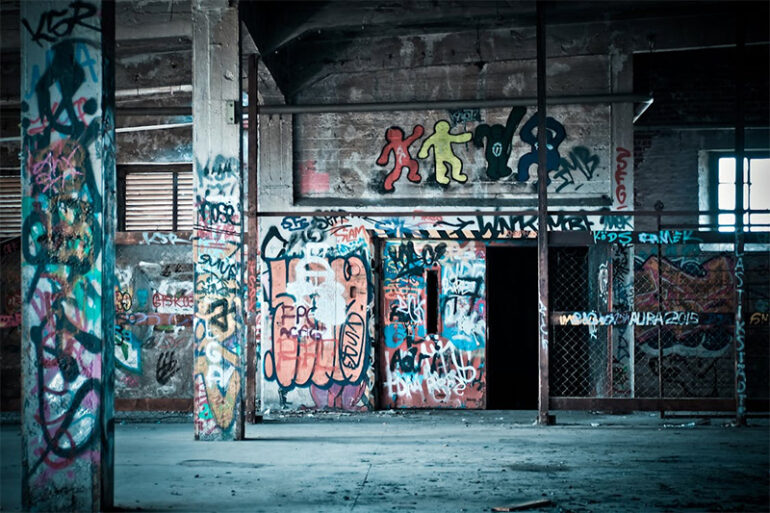
Graffiti. Street art. Two words, six syllables, and an endless argument sprawled across city walls the world over. Some see only vandalism; others glimpse raw visual poetry where law-abiding eyes might spot nothing but chaos in aerosol form. Let’s not pretend it’s all the same—packaging every spray-painted phrase or mural under one neat label is a stubborn mistake. Instead, these creations skirmish for recognition on concrete and brick, leaving everyone from local officials to sneaker-clad teenagers debating their value—or lack thereof. This isn’t just paint versus policy; it’s about who owns public space, and who decides what counts as art.
The Line Between Illicit and Invited
One can’t stroll through any major city without seeing it: sweeping murals that dazzle neighbors, cryptic tags lurking in alleyways. The distinction? Permission—or its absence. Graffiti ducks under bridges at midnight, artists looking over their shoulders as they scrawl fast signatures or coded messages meant only for those who know how to look. Street art? It plays by different rules, sometimes even commissioned by city councils eager to brighten up drab surfaces. Murals bloom on shopfronts and playground walls—with everyone watching—and suddenly the neighborhood seems proud rather than wary of its new colors.
Expression or Eyesore?
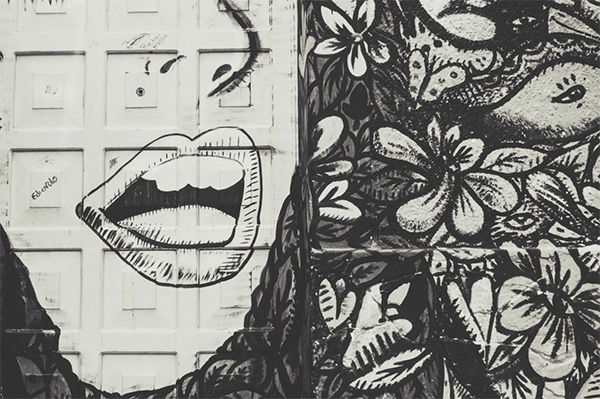
Is it expression or merely a mess? A single word sprayed across a train car—just some teenager venting frustration? Or could this act be something closer to protest against society’s gray monotony? The answer shifts depending on whom one asks. To the property owner scrubbing off another tag, it feels like pure disrespect—costly at that. Yet step back: Banksy sells prints for thousands while nameless taggers remain outlaws with empty pockets. Clearly there’s a double standard here—a hierarchy of taste decided by popular acclaim instead of artistic merit alone.
Cultural Commentary Unleashed
Cities don’t hand out blank canvases just for fun—these walls matter because they tell stories impossible to silence behind gallery doors. Unsanctioned graffiti often challenges authority outright: slogans against injustice, stark reminders of overlooked neighborhoods’ daily grind. Meanwhile, street art swings between whimsical celebration and sharp critique—sometimes both at once in the same dazzling image. What emerges is less about decoration and more about conversation: politics tangled with color; humor colliding with heartbreak right there along the sidewalk where anyone can see.
From Vandalism to Valued Asset
Talk about irony—the same sprays once classified as blight become tourist attractions overnight if they gain enough buzz online or land in coffee table books featuring “urban interventions.” Neighborhoods once desperate to clean up get rebranded as culture hotspots because someone famous left a mark on an abandoned wall years ago. Suddenly local governments hold festivals celebrating the very thing they fined people for last season! It reveals how flimsy these definitions can be when popularity flips public opinion on its head—and money enters the chat.
In cities from Berlin to Brooklyn, this tension remains unresolved—a push-and-pull between rebellion and recognition playing out one spray can at a time. Attempts to police public creativity almost always end up fueling debate rather than quieting dissent; new generations keep redefining what deserves space among bricks and mortar. Whether celebrated as creative force or condemned as criminal nuisance, one thing remains clear: painted walls say more about us than most museums ever could—and these conversations are far from finished.
Photo Attribution:
1st & featured image by https://www.pexels.com/photo/grafitti-162379/
2nd image by https://www.pexels.com/photo/white-and-black-floral-with-face-printed-door-959314/

