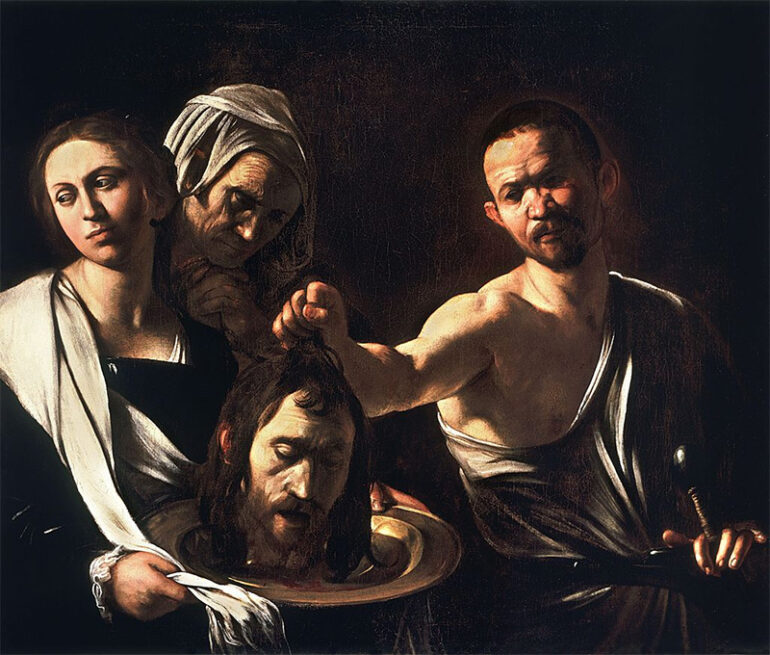
Chaos in a canvas, scandal in the streets—Caravaggio didn’t just paint saints and sinners; he lived beside them, fought with them, and sometimes became one himself. Forget polite studio sit-downs or gentle circles of the Renaissance elite. The man had a flare for drama, both in oil and everyday life. What sent ripples through Rome wasn’t only those wild contrasts of dark and light on the walls. It was also his unpredictable temper, his tangled scrapes with the law, and that unflinching realism others called indecent. The question remains—what made this artist such an infamous figure centuries before art even thought about “bad boys”?
Trouble Ahead, Paintbrush Loaded
Every legend starts somewhere, usually with trouble not far behind. Caravaggio stormed into Rome after leaving Milan—a city he’d already outgrown like a jacket from last season. Right away: street fights, debts piling up faster than commissions. Astounding that anyone hired him at all, considering his arguments with clients could turn physical before the first brushstroke dried. But there’s no denying it—his talent bulldozed obstacles that would have ruined lesser men. Violence as reputation? Certainly part of the lore now printed in every textbook line about him.
Lights Out: Darkness as Drama
Step close to his work—don’t just glance—and the surprise is immediate: shadows so deep they look bottomless, faces emerging from murk like secrets surfacing late at night. Others painted dignity; he chose desperation and sweat-streaked foreheads instead. No halos glowing politely here; agony and ecstasy share center stage under brutal lighting no polite Venetian would dare attempt. That radical use of chiaroscuro? Not some academic experiment but a battlefield tactic—one eye on beauty, one eye on shaking up whoever stared too close.
Rebels Draw Rebels
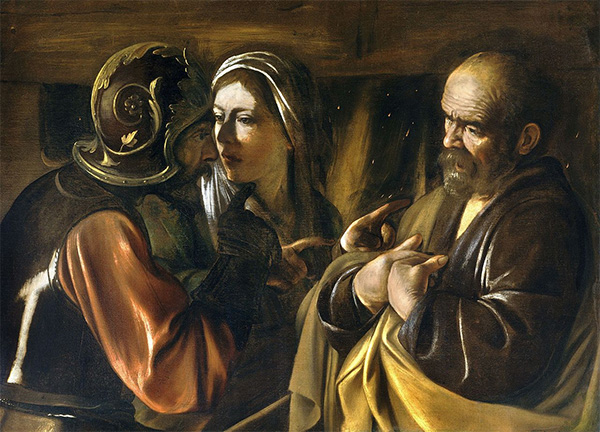
What happens when an artist refuses to flatter power or tiptoe around rules? Controversy brews—and imitators follow fast behind. Old masters clung to soft transitions and polished surfaces while Caravaggio lit matches under everything sacred or safe. Religious scenes turned gritty and raw got him blacklisted from certain patrons… but plenty more queued up to buy what everyone whispered about anyway. His followers—the so-called Caravaggisti—couldn’t help themselves; iconoclasm is contagious when packaged with genius.
Life Imitating Art (Or Vice Versa)
There’s always been talk: did he paint like he lived or live like he painted? Hard to say where one ended and the other started since both followed similar arcs— brilliant highs shadowed by miserable lows, violence circling around everything important to him. Arrests kept coming; once even accused of murder after a brawl gone bad over a game of tennis (tennis!). Yet artistry didn’t pause for courtroom drama—the same boldness plagued his canvases until the very end.
No ordinary rebel ever holds attention for long—but Caravaggio’s defiance fused with technical brilliance makes it hard for history’s gaze to wander elsewhere. Those dramatic contrasts still shock viewers who think they’ve seen it all; those biographical scandals still read hotter than most fiction shelves can offer up. He didn’t invent artistic rebellion—or reckless living—but nobody before (or since) has made them feel so intertwined under flickering candlelight or looming censure from above.
Photo Attribution:
1st & featured image by https://commons.wikimedia.org/wiki/Michelangelo_Merisi_da_Caravaggio#/media/File:Salome_with_the_Head_of_John_the_Baptist-Caravaggio_(1610).jpg


.jpg)
.jpg)