An art gallery, 1960s. A can of soup takes center stage, not tucked away in the corner, but hung like it matters more than a Renaissance portrait. This is not an isolated event. In the blink of an eye, billboards and comic book strips storm the gates of the elite art world. Something seismic has shifted. Suddenly, ordinary objects, things people barely glanced at while grocery shopping, are recast as icons to be studied, debated, immortalized in paint and silk-screen. The meaning? There’s hardly time to catch one’s breath before realizing: the definition of art just exploded, scattering the old rules in every direction.
Icons on the Supermarket Shelf
Campbell’s soup cans, Coke bottles, Brillo boxes, was anyone asking for them on canvas? No one took a poll; an artist simply decided these were worthy of attention. What results isn’t just visual trickery or some joke at high culture’s expense. These familiar packages become icons overnight. The masses recognize them instantly; experts scramble to explain what happened. It’s not nostalgia and it’s definitely not snobbery, it’s a kind of democratization. When art puts soup on display with the same reverence as ancient sculpture, isn’t that saying something about who decides what deserves honor? Here, brands become brushstrokes.
Mass Production Meets Art
Factories churn out thousands of identical goods, a modern miracle or nightmare depending on perspective, and suddenly artists want to copy that sameness by hand or machine. Repetition floods museum walls: endless rows of Marilyns or Coke bottles stare back without blinking. The message hits hard: individuality gets sanded down by mass culture until every face and every label blends together. Yet somehow charm remains; each print refuses to lose its personality no matter how many are made. Is this cynicism or celebration? The answer shifts depending on where one stands in the room.
A Mirror for Popular Culture
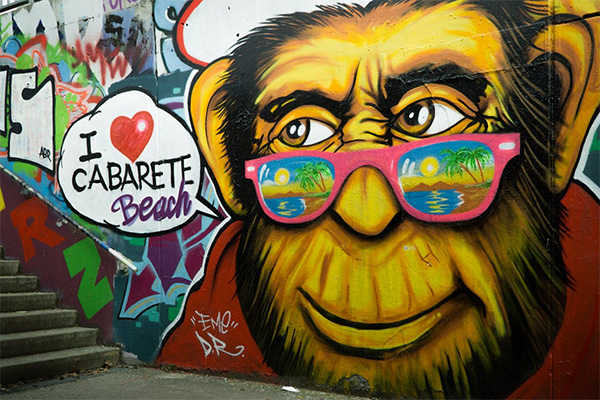
Forget noble landscapes and dusty mythological heroes, the new era points straight at what fills lives daily: advertisements blaring from televisions, celebrities grinning from magazines, catchphrases echoing across city streets. Art no longer lectures from a pedestal; it comments from beside someone on the bus ride home. Pop art turns pop culture into both subject and critique, a funhouse mirror reflecting desire and absurdity alike. Suddenly everyone recognizes themselves inside these works, loving it or rolling eyes doesn’t change their grip on collective imagination.
Blurring High and Low
Once upon a time there was “serious” art meant for critics and collectors, and then everything else languished in gift shops and strip malls. That border gets bulldozed almost overnight when everyday stuff crashes into galleries with forceful confidence. Is a comic strip less valid than an oil painting simply because it came folded up inside Sunday newspapers instead of handed down through centuries? Pop artists wagered everything that such distinctions had grown stale, and audiences didn’t look back after tasting freedom from elitist gatekeeping.
A can of soup transformed into a beacon isn’t only about cleverness or shock value, though those play their part well enough, it marks a seismic redefinition of art itself. Everyday things capture imaginations precisely because they’re so overlooked everywhere else, inviting viewers to see wonder where indifference once ruled supreme. In making masterpieces out of supermarket finds, pop artists gave society permission to look again at what surrounds it daily, with curiosity instead of contempt, and maybe even spot beauty hiding behind bright packaging labels no one ever bothered to notice before.
Photo Attribution:
1st & featured image by https://www.pexels.com/photo/white-paper-1111367/
2nd image by https://www.pexels.com/photo/gorilla-wearing-pink-sunglasses-graffiti-63238/

