A movement blooms and fades, yet the echoes linger. Nineteenth-century England, thick with smoke and rules, here’s where a handful of painters, poets, dreamers took a hammer to convention. Rebellion wasn’t a word tossed lightly in those days. Still, they demanded honesty from art, a kind of wild truth about nature and human feeling that brushstrokes and ballads could barely contain. Why did it all matter so much? Maybe because these weren’t just artists, they were idealists living on the edge of their own convictions. The world watched, puzzled and scandalized. Some sneered. But no one looked away for long.
Radicals with Paint
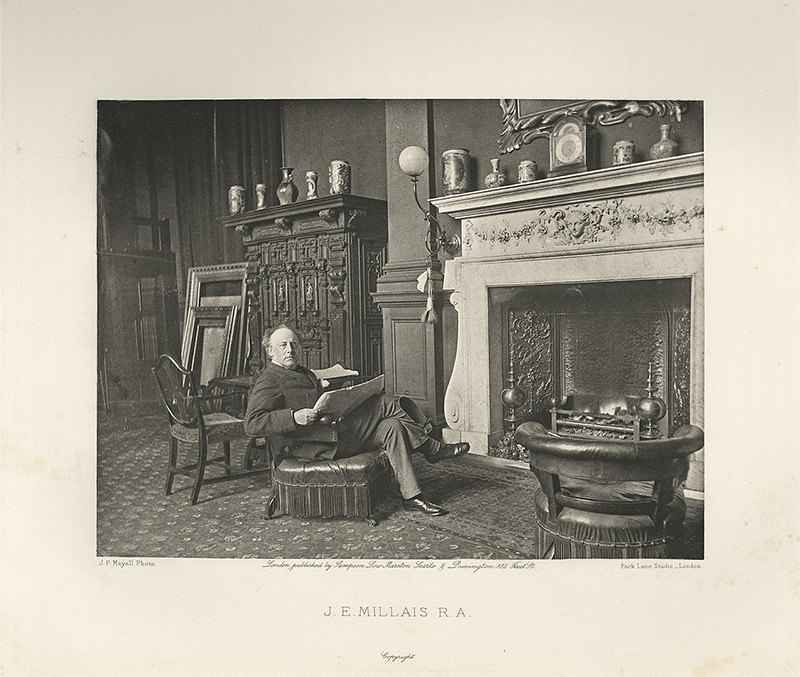
No club started with such thunder. In dusty London rooms, the gaslights barely cutting through the gloom, they declared loyalty to an ideal: everything before Raphael was sacred ground; everything after, suspect. Seven names inked on a single list. Rossetti, Hunt, Millais…each out to prove that art’s real power hid in bright color, sharp detail, emotion raw enough to sting the eye. Forget flat allegories and vague moralizing, these canvases burned with lilies bending under grief or hair as flame-bright as defiance itself. The establishment scoffed at first, then seethed when critics noticed something new stirring in museum halls.
Brotherhood and Betrayal
What is brotherhood but a promise tested by time? Tensions simmered below every joint manifesto or communal sketch session; egos chafed; ambition jostled for elbow room against loyalty. One painted too fast for another’s taste; another wrote sonnets sharper than friendship could survive. Scandal followed them like a stray dog, affairs of heart bleeding into affairs of art until neither seemed pure again. The outside world waited for collapse, and got it sooner than even cynics hoped for: alliances cracked open, reputations tainted by gossip columns more than gallery reviews.
Women at the Edges
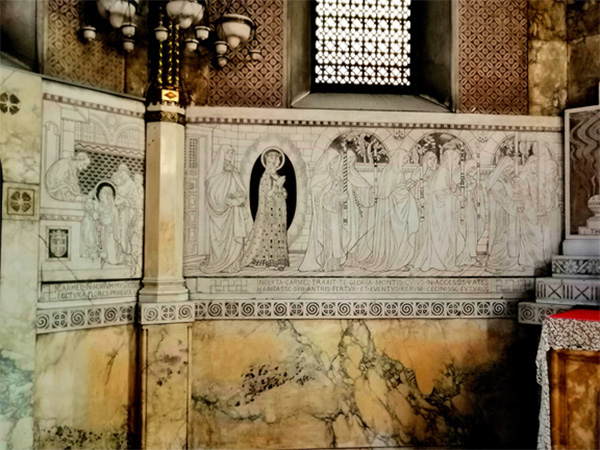
Look closer: women never stood only beside these men, they shaped every shadow and highlight within their frames. Elizabeth Siddal wasn’t merely draped across an easel; she painted her own small rebellions onto canvas and paper while battling illness mostly alone. Jane Morris leaned out from Rossetti’s portraits like she might break free any moment if paint allowed movement, her life tangled in muse-artist-lover triangles that’d make modern tabloids blush green with envy or sympathy (or both). Yet galleries preferred to hang praise on male genius while these women receded into margins until history finally blinked twice.
Legacy That Won’t Die Quietly
Dismissal came fast once fashion turned its back, but nothing beautiful disappears so cleanly from memory or market value. Decades passed; styles changed hats more times than critics counted prime numbers, but echo after echo resurfaced where least expected: Symbolist dreams borrowed Pre-Raphaelite longing; fantasy illustrators pillaged their jewel tones without shame or footnote; film directors stole compositions shot-for-shot whenever romance needed extra ache or intensity crackled under surface calm. Even now auction rooms hush at their works, viewers knowing tragedy woven into beauty reads fresher every year.
Their story remains both cautionary tale and celebration, a reminder how ideals scorch as well as illuminate. Ambition isn’t tidy; genius attracts trouble like moths find candlelight inevitable but fatal if embraced too long or too close. What endures is the shimmer: bold color still capable of shaking hearts awake, strange faces watching us across centuries, waiting for someone else brave, or foolhardy, enough to start anew what they began amidst Victorian dust and dreams.
Photo Attribution:
1st & featured image by https://commons.wikimedia.org/wiki/Category:Pre-Raphaelite_Brotherhood#/media/File:John_Everett_Millais_by_J._P._Mayall.jpg


%2C%20un%20des%20juges%20de%20Jeanne%20d%27Arc)