Art isn’t just something pretty to hang on the wall; it’s a process, a mirror, occasionally a hammer. Nowhere is this clearer than in clay—the medium that doesn’t care about perfection or pretense. Every culture digs into the earth and finds more than mud. Hands shape, fire hardens, and suddenly: expression takes form you can touch. The story here isn’t about craft alone, or museums humming with quiet awe. It’s about profound change—personal and collective—that happens when ordinary material becomes extraordinary. In an age so digital it almost hurts, there’s real power in returning to what’s tactile. Clay remembers.
Hands in the Earth
Consider this: one lump of clay contains a universe—literally molecules old as time itself—and yet it invites innovation each time tools scrape its surface. The experience grounds artists (and beginners) alike, forcing attention into now rather than some distant deadline or screen notification. There’s no hiding from mistakes; they exist right alongside triumphs on every potter’s wheel and slab table. People find themselves getting lost for hours inside small gestures: smoothing an edge, pulling a handle just so. Is there any technology that offers this kind of immersion? Not likely. Real engagement happens here—dirty hands tell the truth.
Minds Molded by Process
Every act of shaping clay bends the mind as much as the form in front of you—it trains patience fast. Waiting for slip to set or glaze to dry feels prehistoric by modern standards, but there lies its charm. People wrestle with impermanence because sometimes work cracks or fails spectacularly in the kiln for no obvious reason at all. No algorithm predicts that heartbreak or joy; these are lessons learned only through working and reworking raw earth until it sings back under your fingers—or doesn’t.
Community Fired By Kiln
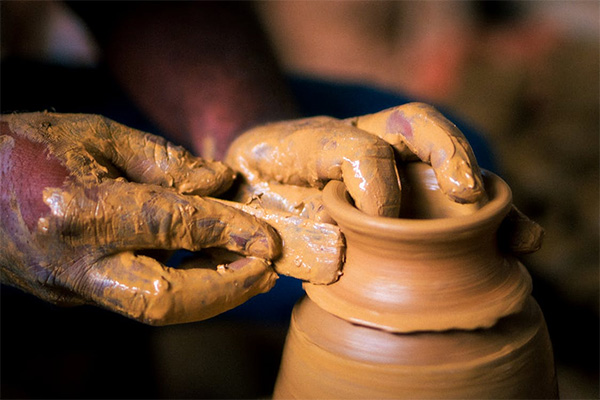
Solitude gets plenty of airtime with art, but ceramics rarely thrive without community heat behind them. Studio spaces function more like beehives than ivory towers—ideas buzz between stations and materials get shared without ceremony or fussing over credit lines. Old-timers teach new arrivals how not to burn their eyebrows off while peeking inside a raku kiln; laughter follows disaster when pots explode unexpectedly during firing night after night.
Objects That Outlast Us All
Look anywhere history sits quietly—ruined city walls, forgotten gravesites—and intact shards still whisper secrets centuries later. Ceramic objects don’t just record what hands did long ago; they survive floods and wars most other art can’t imagine weathering at all. Mugs hold coffee today but might become tomorrow’s artifacts if given enough time (and luck). What stories attach themselves to these everyday forms? Quite a few—and not always ones their makers intended.
Transformation comes down to more than skill with technique—it starts with willingness to embrace failure, repetition, mess itself as part of growth instead of something shameful or boring best left behind childhood art class memories. Clay claims everyone equally: amateurs and professionals stand side by side before its stubborn honesty because nobody leaves unchanged once they’ve shaped something real from nothing much at all—not even in this relentless century where permanence feels almost impolite to mention aloud anymore.
Photo Attribution:
1st & feature image by https://www.pexels.com/photo/three-children-in-brown-traditional-hats-toy-miniatures-809119/
2nd image by https://www.pexels.com/photo/close-up-of-artisan-hands-crafting-pottery-on-wheel-30147980/

