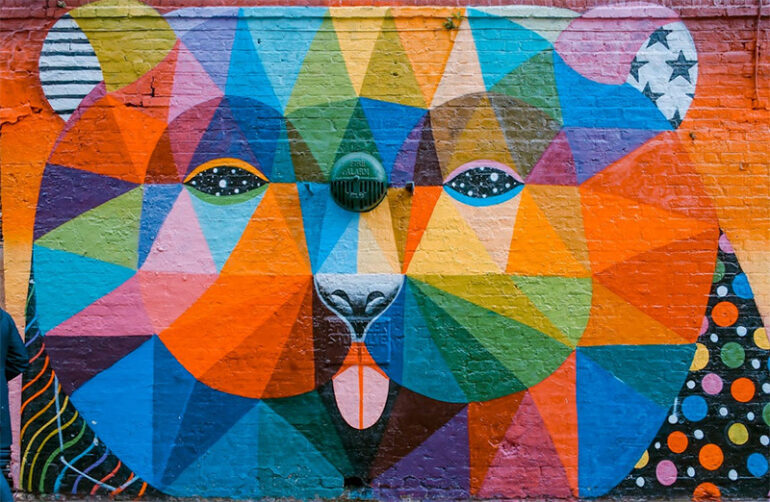
Paint on concrete, sure, but what’s really getting coated? Not just walls, an entire national psyche. In post-revolutionary Mexico, art didn’t stay obediently confined to museums or the homes of the wealthy. Murals swept across public spaces, massive and impossible to ignore. They weren’t mere decoration. More like manifestos in color and shape, shouting ideas at anyone who happened by. The result? A society that started to see itself reflected in bold lines and vivid pigments. This wasn’t quiet background noise, it was a cultural megaphone, painting stories on cement for all to see and none to escape.
Revolutionary Canvas
Nobody could miss what happened after 1920, Mexican artists stormed out of their studios and attacked blank public walls with brushes loaded like weapons. Instead of faceless aristocrats or imported myths, those murals exploded with everyday people: workers striking hammers, farmers harvesting corn under a burning sun. Forget subtlety; these images demanded attention. The artists, Rivera leading the charge, Siqueiros thundering behind him, worked big because the message needed scale: this is your country, owned by you now. Suddenly history lessons weren’t whispered in classrooms, they marched down corridors of government buildings for every citizen to confront.
Heroes in Color
Murals didn’t just show off epic mustaches or romanticized revolutionaries; they gave flesh and blood to legends who’d been names only on crumbling pages before. Zapata rising with his army in oranges and reds so fierce it almost hurt your eyes, that’s not something easily ignored or forgotten. By choosing which faces earned wall space (and which did not), muralists shaped collective memory on purpose rather than leaving it up to dusty textbooks or fading family tales. Their brushstrokes plucked heroes from obscurity and stitched them right into new mythologies everyone could claim.
A Palette for Protest
Make no mistake: these murals seethed with more than nostalgia, they packed punches against injustice too obvious to let slide by politely. Land reform! Workers’ rights! Warnings against foreign greed! Complex scenes sprawled across city hall walls didn’t just sit there looking pretty; they called out corruption and privilege like a street protest frozen mid-shout. Passersby got reminders, daily ones, that struggles hadn’t ended just because speeches quieted down for afternoon siestas. Art became alarm bell as much as ornamentation; nobody walking past a Rivera mural could pretend things were fine if they simply weren’t.
Unifying Vision
What pulls a fractured nation together faster than stories painted enormous and bright where everyone can see? Nothing else works quite as convincingly, not flags alone, not patriotic parades once a year. Murals built visual shorthand for “what it means to be Mexican,” mixing Indigenous symbols with new revolutionary pride until both felt inseparable from identity itself. Children grew up recognizing themselves inside those sweeping murals, their labor honored, their roots visible instead of hidden away, and so belonging stopped being an abstract idea and started feeling real enough to touch.
Brushes retired eventually, or at least slowed, but their work stuck around longer than any politician’s promises ever did. Walk through Mexico City today: those same painted battlegrounds still watch over plazas bustling with ordinary life below them. The legacy isn’t about copying styles anymore; it’s about knowing culture never had to beg for attention behind locked doors again. National identity doesn’t come from slogans, it gets hammered into place where everybody gets a good look at it every day of their lives, loud as ever.
Photo Attribution:
1st & featured image by https://www.pexels.com/photo/selective-photograph-of-a-wall-with-grafitti-1194420/
2nd image by https://www.pexels.com/photo/tunnel-with-lights-60893/

