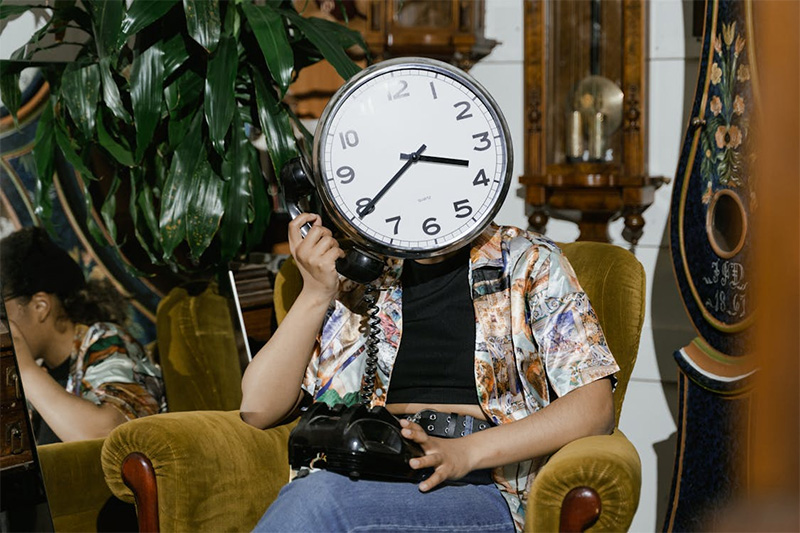
Surrealism walks into the room like a dream that refuses to wipe its feet. It tracks mud over logic. Familiar objects appear, yet something’s wrong with the wiring. A clock melts. A train shoots from a fireplace. A lobster sits on a telephone like it expects a call. This movement doesn’t just bend reality. It mocks reality’s fragile rules. Viewers sense both attraction and unease. The mind reaches for solid ground. The art pulls that ground away with a grin, then kicks the chair for emphasis.
Dream Logic Without Sleep
The secret trick hides in how dreams operate. In sleep, a person accepts absurdity without protest. A door opens onto the ocean. A childhood friend speaks with a parent’s voice. None of it triggers panic. Surrealists wanted that same casual acceptance of nonsense in broad daylight. They chased automatic writing. They watched their own daydreams like scientists who hate lab coats and dislike straight answers. The result feels wrong because it copies real mental habits too accurately. The work doesn’t break reason. It shows how weak reason already is when fantasy taps it on the shoulder and refuses to leave.

Hidden Joints Of Reality
Surrealism loves collisions. Not gentle blends. Violent joints. A razor on an eyeball. A furry teacup that begs to be touched and rejected at the same time. Ordinary objects lose their jobs and take on new ones. The body turns into furniture. Furniture turns into insects. The surprise comes from sharp cuts between categories that people usually keep apart. Animal. Machine. Human. Sacred. Trash. Everything lands on the same unstable shelf. The mind scrambles to sort the mess. That scramble creates the strangeness, like a filing clerk who suddenly realizes the cabinet never had labels.
Desire In Disguise
Behind the jokes and visual tricks stands desire with a guilty look. Surrealists raided psychoanalysis like art thieves. They grabbed the idea that buried wishes shape daily life. Faces split into fruit. Mouths float alone. Doors stand open with no rooms behind them. The images feel weird because they act like confessions no one agreed to make. Viewers sense private urges leaking out in code. It feels both intimate and invasive. The work points at things people want and fear. Usually at the same time, like a mirror that smiles while showing every crack and bruise.
Politics In A Dream Mask
Strangeness in this movement never stays only personal. Rational order failed on the street. Wars, bureaucracies, and polite society produced chaos while claiming logic. Artists answered with pictures that shouted. If reality behaves like a nightmare, then art will stop pretending reality is sane. The bizarre juxtapositions swipe at authority. Priests with fish heads. Soldiers with toy bodies. Housewives floating off their floors. The weirdness questions who decided what counts as normal. It treats common sense as a cheap costume that can fall off. Once that costume slips, power looks clumsy, petty, and slightly ridiculous.
The movement’s odd power comes from precision, not random chaos. It studies how minds dream, want, fear, and obey. Then it throws those habits back at the viewer in visual form. Everyday logic starts to look flimsy. A painting with an impossible shadow exposes how many social rules feel equally invented. The strangeness presses a choice. Either accept the discomfort and think harder, or retreat to slogans about what art should be. The work waits patiently. It knows curiosity eventually wins, because normal life already feels stranger than most galleries dare to admit.
Photo Attribution:
1st & featured image by https://www.pexels.com/photo/person-sitting-on-yellow-armchair-8327641/
2nd image by https://www.pexels.com/photo/aerial-photography-of-glacier-hills-at-winter-207130/

