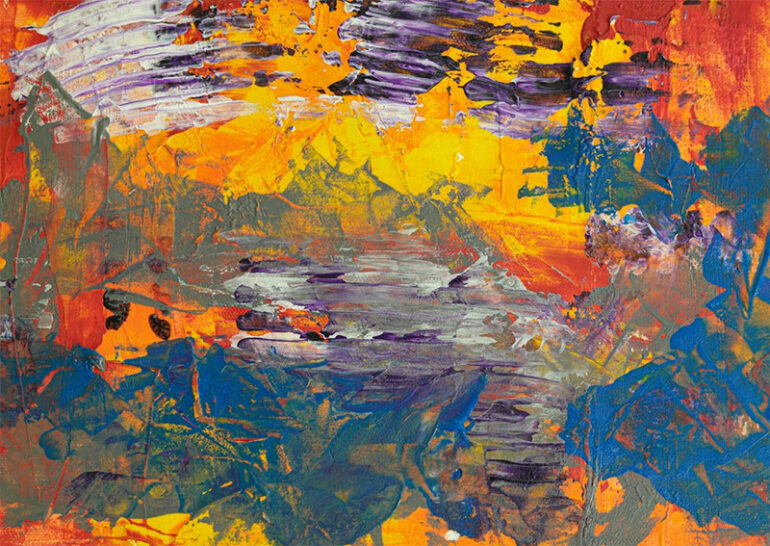
What happens when brushstrokes rebel, when color leaps from canvas and sits up straight, demanding attention? That is the energy of Impressionism, art’s great escape from stuffy tradition. This movement didn’t just tweak technique; it slammed the door on polished realism and invited in shimmering daylight, ordinary people, fleeting rain showers. Critics scoffed, as critics do. The public gawked. Yet here’s where art history pivots: painters stopped copying reality and started chasing moments. No wonder museums now treat those hazy riverbanks like gold. For anyone setting out to understand this movement, don’t get lost in theory. Watch how light moves. Everything else follows.
Breaking with Tradition
Before the 1870s, a painting lived or died by its details, crisp lines, perfectly modeled forms, historical grandeur stacked high as church steeples. Then came a handful of French painters who couldn’t stand the stuffiness any longer. Out went studio darkness; in came plein air, the audacious act of hauling easels outdoors to catch sunlight mid-dance. Critics at the time? Not amused. “Unfinished,” they complained about these loose brush marks and odd colors smeared together like butter on bread. But look again: suddenly water sparkles, café scenes buzz, shadows flicker blue instead of boring gray.
The Heartbeat of Light
Color isn’t just pigment for these artists, it’s heartbeat and breath all at once. Sunlight scatters across haystacks; ripples pulse through water lilies; skies stretch wide with impossible blues and violets no photograph could match (even if cameras had existed). Objects lose their hard edges because vision itself softens when dazzled by glare or foggy mornings near riversides. No outlines needed, just stitched-together dashes bouncing off each other until an image shivers into place right before one’s eyes. It’s not technical mastery on display but emotional charge: how day feels rather than what it looks like.
Impressionists at Work
No grand kings or mythic battles fill these canvases, just Parisians crossing bridges or farmers lingering in fields beneath blinding sunspots. The artists themselves form a scrappy club: Monet chasing pond reflections daily for months; Renoir painting dancers’ flushed cheeks among swirling skirts; Degas lurking backstage to snatch glimpses of ballet slippers mid-leap. Each painter obsessed with catching everyday life as it slips right past, a birthday candle flame caught before it dies out altogether. Quick sketches become full-fledged paintings overnight sometimes because the moment refuses to wait for slow hands.
The Lasting Ripple
Now gallery walls everywhere gleam with Monet’s gardens, Pissarro’s street corners glowing at dawn, Caillebotte’s rainy sidewalks sparkling under umbrellas, all instantly recognizable yet never quite finished-looking up close (step back and the magic clicks). Museums cannot keep enough tickets printed for blockbuster exhibitions of so-called “unfinished” paintings from this crew that changed everything by refusing to freeze time neatly inside borders anymore. This influence runs rampant through modern design and photography too, every snapshot that captures mood instead of detail owes something to their legacy.
Curiosity always rewards its owner, and Impressionism proves it again and again for new viewers willing to set aside expectations about what art should do or say. Forget flawless polish; embrace shimmering imperfection instead, much like these daring painters did over a century ago along sunlit Parisian boulevards and misty riversides alike. Those brushstrokes aren’t careless, they’re alive with intention: making each observer pause long enough to see beauty racing past in real time before moving forward once more into whatever tomorrow brings next.
Photo Attribution:
1st & featured image by https://www.pexels.com/photo/blue-yellow-and-orange-canvas-painting-2362791/
2nd image by https://www.pexels.com/photo/photo-of-a-blurred-motion-5253574/

