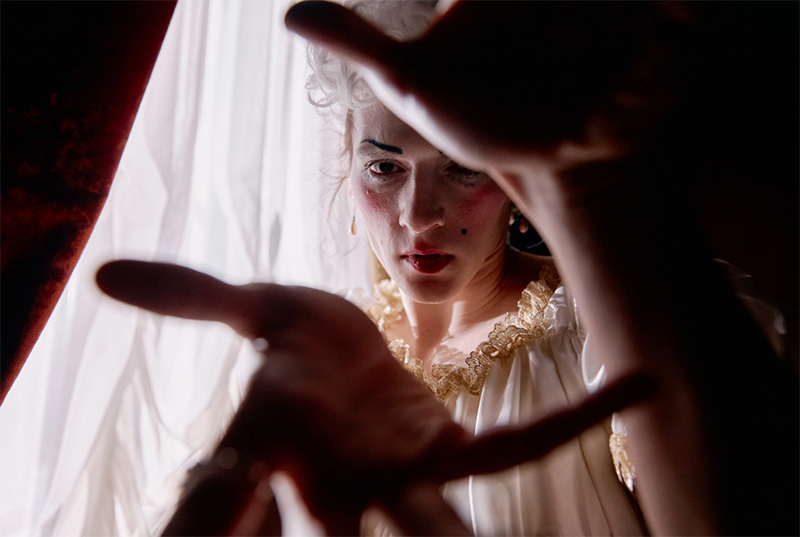
Faces usually get the glory. That habit distorts the picture. In Renaissance portraiture, the hand often carries the argument, not the smile or the eyes. A hand can announce rank, prayer, marriage, education, restraint, or ownership. Painters knew this. Patrons knew it too. Nothing about those fingers lands on the panel by accident. A bent knuckle, a glove held but not worn, a ring displayed with suspicious clarity, all of it speaks. The hand sits at the border between body and world. It touches things. It points. It withholds. Here, danger arrives as decorum.
Gesture as Code
Renaissance viewers read gesture with sharper instincts than many modern museumgoers bring to the wall label. A lightly joined pair of hands could suggest piety, self-command, or social polish. A hand laid over the chest could signal sincerity, though painters loved ambiguity and sincerity in art often comes mixed with performance. Court culture thrived on controlled display. The portrait hand becomes a coded device inside that world, almost like rhetoric translated into flesh. This is where the split between inner self and outer image starts to wobble. The hand claims to reveal character, yet it also stages character.
Objects Under Pressure
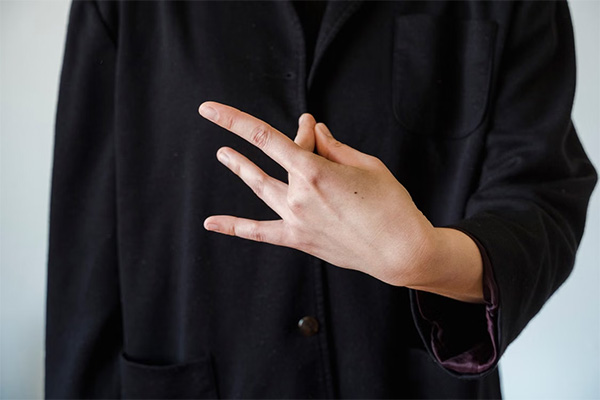
Hands rarely float alone. They grip gloves, books, rosaries, letters, swords, flowers, ledges, and chairs. Every object changes the sentence. A book held loosely doesn’t say the same thing as a finger tucked into its pages. A glove can imply civility, wealth, or erotic tension, especially when one hand removes it and leaves the other bare. Touch terrified Renaissance culture. Hands blessed, swore oaths, signed contracts, and arranged marriages. A portrait object isn’t just a prop. It becomes evidence. The hand pressures it into life, and the object pressures the hand right back.
Gender, Power, Restraint
The politics of hands grows especially sharp around gender. Male sitters often claim space through firm placement. A hand on a hip, a glove clenched, fingers spread near a sword hilt. Such choices project command without requiring theatrical aggression. Female sitters often appear with folded or delicately linked hands, and lazy commentary stops there, muttering about modesty as if the case were closed. It isn’t. Restraint can serve as a crafted sign of virtue, dynastic value, and elite education. Those painted hands don’t simply submit. They negotiate. They carry rings, touch prayer books, and rest on textiles that advertise household abundance.
The Painter’s Trap
Hands challenged painters technically and conceptually. Anatomy can go wrong in a heartbeat. One stiff finger and the whole illusion collapses. That difficulty explains why great portraitists lavished astonishing care on the hand. Flesh tones shift. Veins murmur under skin. Nails catch light. Wrinkles near the knuckles quietly mark age, labor, or privilege through their absence. This is not mere naturalism. It is selection masquerading as truth. Painters sharpened what mattered and softened what didn’t. A broad hand could lend authority to a banker who never lifted anything heavier than a ledger. The hand becomes a trap for the viewer. It looks candid because it looks observed.
Looking at Renaissance portraits without studying the hands resembles listening to opera through a wall. The melody survives, but the meaning thins out. Hands bind the sitter to ritual, property, faith, and desire. They expose the social choreography that faces often mask behind composure. They also reveal painting itself as an art of argument. Every finger position proposes a claim about who this person is, or who this person wants the world to believe stands before it. The hand sits between symbol and body, between action and restraint, between public role and private pulse. The hands keep moving in the mind after the gallery visit ends.
Photo Attribution:
1st & featured image by https://www.pexels.com/photo/a-person-wearing-a-costume-6834843/
2nd image by https://www.pexels.com/photo/man-in-a-black-coat-doing-a-sign-with-his-hand-9017386/

