Oil painting seduces beginners with color, then punishes them with mud. Rich paintings rarely begin with rich color alone. They begin with structure, restraint, and a hidden layer that does the heavy lifting before thicker paint arrives. Underpainting matters because it sets value, temperature, and mood before the final surface starts to sing. Ignore it, and the painting often turns noisy and overworked. Respect it, and the image gains depth that feels deliberate. This is not mysticism. It’s planning. What sits underneath changes everything above it.
Why It Matters
An underpainting is not a warm-up sketch. It is the frame that holds the whole picture together. Painters who skip it often spend hours fixing problems that a disciplined first layer could prevent. Values usually fail first. Then forms soften. Then color loses force, because color without value control is decoration, not painting. A monochrome block-in, often done with umber or ultramarine, forces hard decisions early. That’s useful. It strips away the charm of pretty hues and asks one blunt question. Does the image read? If not, more color won’t save it. Good underpainting also gives later strokes direction instead of guesswork.
Picking the Base
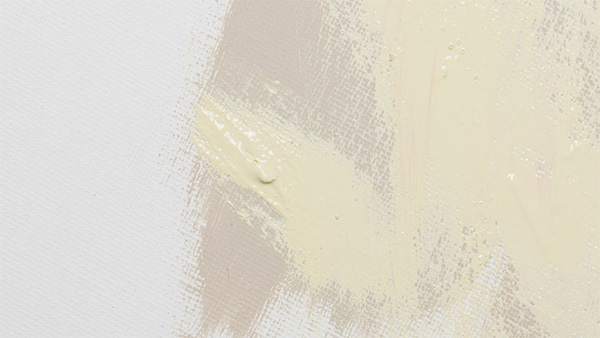
The ground color changes the emotional weather of a painting before any object appears. White canvas can distort judgment by making mixed tones seem darker than they are. A toned surface fixes that quickly. Warm grounds push a painting toward glow and flesh. Cool grounds suggest distance, dusk, and restraint. Greenish or reddish bases can do striking work in portraits and landscapes when handled with confidence. This is strategy, not decoration. Small gaps in later paint layers let that base color breathe through, and those flashes can unify the whole image. The base note matters in music. The same law governs paint.
Keep It Lean
Fat over lean remains one of the few oil painting rules that truly earns respect. The underpainting should stay lean, quick-drying, and clear. Too much oil in the first stage creates a sluggish surface and can cause cracking later. That’s chemistry, and chemistry doesn’t negotiate. Many painters use solvent-thinned paint for the first pass. Others use a modest alkyd mix for speed. The exact recipe matters less than discipline. Keep it spare. Brushwork should describe planes, not polish them. Edges can stay broad. Details can wait. A painting that tries to finish itself too early often loses strength before the middle.
Depth Through Layers
This is where the real power appears. Underpainting creates optical depth because later layers interact with what lies below. Transparent and semi-transparent color can catch lower values and temperatures, then return a richer visual effect than opaque color alone. Flesh looks fuller. Cloth gains atmosphere. Shadows hum instead of collapsing. Dead-looking paintings often suffer from too much opacity too soon. Every passage gets stated at full volume, and the eye tires quickly. Better painting works through restraint. One layer speaks through another. Underpainting gives that conversation a voice. Without it, many surfaces simply shout.
Painters often chase richness with costly pigments, fancy mediums, and endless revisions, then neglect the stage where richness actually begins. A strong hidden layer brings order to value, unity to color, and force to the final surface. It also slows the hand enough for judgment to catch up with excitement, and that pause often separates serious painting from glossy confusion. No single method deserves worship. Grisaille, warm stain, verdaccio, or a simple toned ground can all work when chosen with intent. The larger principle stays firm. Build the painting before dressing it. Depth is not an accident. Luminosity is not luck. Strong surfaces look alive because their foundations never stopped speaking.
Photo Attribution:
1st & featured image by https://www.pexels.com/photo/green-and-yellow-abstract-painting-3216996/
2nd image by https://www.pexels.com/photo/light-beige-brushstrokes-on-canvas-7233320/

