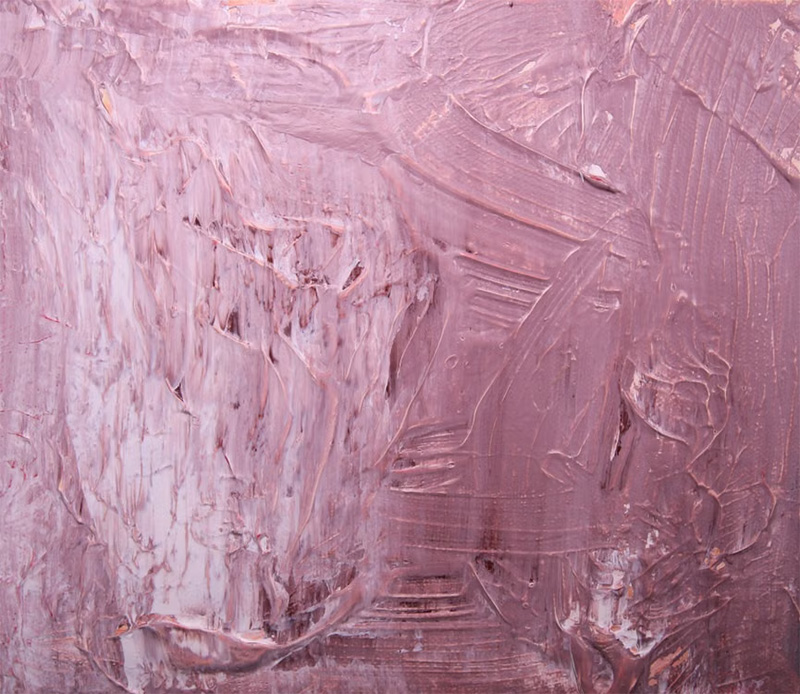
Painting often succeeds or fails before bold color appears. Many artists chase brilliance with brighter tubes or fancy glazing tricks, then wonder why the surface still looks flat. The trouble usually starts underneath. Underpainting sets value, temperature, and the optical bounce that makes a red look richer or a blue seem lit from within. Old masters treated that first layer with severity. Many painters now rush past it. A glowing painting rarely begins with glow. It begins with discipline, with a first layer that tells every later color how to behave.
The Hidden Engine
Underpainting is not decoration. It’s structure. A weak first layer forces every later choice into rescue mode, and rescue mode makes mud. A strong first layer gives color a stage and a logic. Value relationships become clear before hue starts making noise. This is why many painters block in with raw umber, burnt sienna, or a cool gray. The eye reads light and dark before local color anyway. Vision wants contrast first. A painter who ignores that fact works like a chef seasoning a dish before turning on the stove. Get the bones right, and the skin starts to breathe.
Warm Beneath, Cold Above
Color glow often comes from friction, not harmony. A warm underpainting showing through cooler passages can make top layers vibrate. The reverse also works. What matters is tension. Painters who bury everything under opaque color kill that tension and then wonder why the image looks dead. Life in paint comes from controlled interference. Venetian painters knew this in flesh. Landscape painters use it in skies, shadows, and roads. A thin blue over a dry orange base can hum. Not magic. Optics. Light passes through translucent paint, catches the lower tone, and returns with more complexity than a single flat application ever could.
Value Before Brilliance
Colors often look brighter on the palette than on the canvas for one blunt reason. The canvas lacks a value plan. Brightness doesn’t survive chaos. A lemon yellow over a badly judged middle value won’t sing. It will whine. Underpainting fixes the hierarchy early. Shadow masses, middle transitions, and highlights need clear placement before saturated notes enter the room. Think of an orchestra. If the brass section starts before the strings tune up, the result isn’t bold. It’s vulgar. Grisaille methods prove the point. Build the monochrome structure first, then glaze color over it, and even modest pigments start to look rich.
Let the Ground Speak
Painters often overcover. That habit smothers luminosity. A lively ground color, whether toned linen or a light imprimatura, should not vanish under panic. Let bits of it show through edges, halftones, and transitions. Those fragments unify the surface and keep the painting from turning patchy. More important, they create visual air. Controlled exposure of the lower layer gives the image continuity and vibration. It also speeds decisions, which matters because hesitation leaves tracks. The best underpaintings don’t just support the picture. They argue with it a little. That argument creates sparkle, and sparkle is often what viewers call glow.
Glow in painting doesn’t come from louder color in a tube. That fantasy belongs to advertising, not art. The real source lies below the visible performance, in the quiet architecture of the first layer. Smart underpainting locks in value, sets temperature relationships, and gives later color something to push against. That pressure creates light. Painters who grasp this stop treating the early stage as a chore and start treating it as the command center. Color choices grow cleaner. Shadows gain depth. Highlights stop looking pasted on. Paintings that seem to shine usually hide their method well, while the first layer does the hard work.
Photo Attribution:
1st & featured image by https://www.pexels.com/photo/pink-abstract-painting-3144221/
2nd image by https://www.pexels.com/photo/a-person-wearing-a-jacket-and-beanie-in-forest-15104251/

