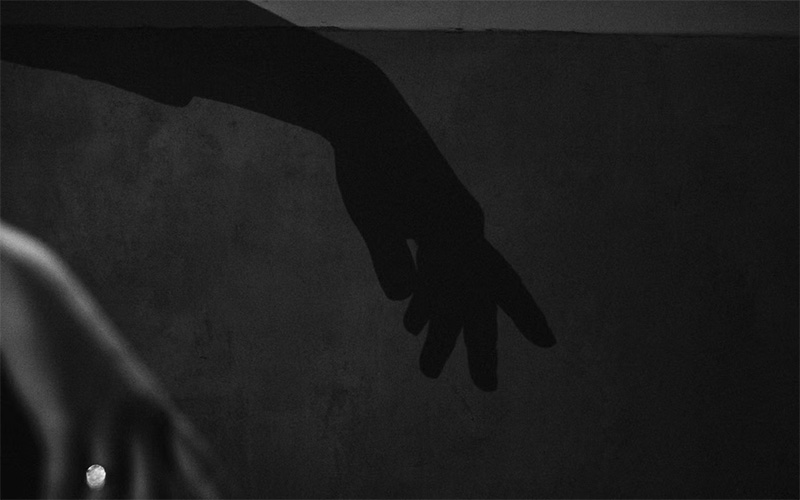
Light in painting rarely behaves politely. It intrudes, points, and turns a face into an argument. That is the force of chiaroscuro, a method too often shrunk to a classroom note about light and dark. It does far more. It shapes attention, emotion, and judgment. A candle can make a saint look hunted or a thief look tender. Strange trick. Old trick. Still potent. What this signals is plain. Vision in art has never been neutral. Chiaroscuro does not decorate form. It pressures form. Flat light describes. Divided light accuses.
Light as Verdict
Chiaroscuro works because light carries meaning fast. Bright skin can suggest innocence or grace. A buried corner can suggest secrecy or danger. None of that belongs to light by nature. Painters assign it, and viewers accept it almost instantly. Caravaggio knew this with savage clarity. His paintings do not merely place bodies in space. They judge them. Light isolates a hand, a cheek, a blade. Darkness closes in like a prosecutor. That selectivity gives artists a ruthless tool. By lighting one gesture and hiding another, a painter can bend the moral weather of the whole scene.
Stillness Under Pressure
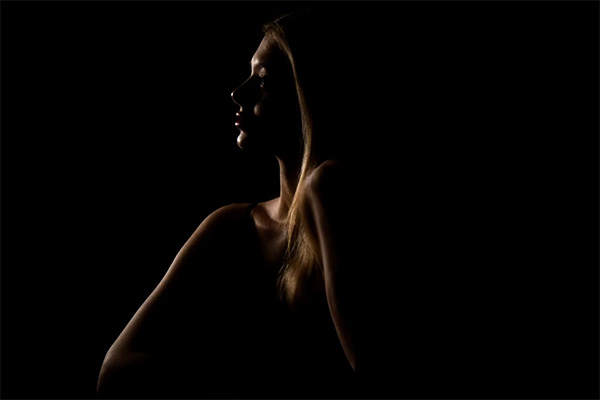
Chiaroscuro can make stillness feel louder than motion. A figure half-emerging from blackness can feel more tense than a battle. Shadow creates suspense without requiring visible action. The mind invents what darkness withholds. Cinema learned this quickly. Film noir inherited an old visual logic and fed it smoke and dread. One hard lamp across a tired face can say more about fear than a page of dialogue. The same pattern appears in photography and stage design. Even a plain room changes when one sharp source cuts across it. Nothing moves. Everything tightens.
Flesh and Spirit
Great painters did not use light only to flatter anatomy. They used it to drag spirit through mud. In religious works, illumination often falls on wrinkled hands, dirty feet, wet eyes, damaged flesh. Sacred meaning enters through ordinary matter. That choice matters because darkness never leaves when light appears. It stays close. Baroque art thrived on that pressure. It wanted ecstasy with bruises. Rembrandt mastered a quieter version. His light broods rather than slashes. A soft glow across an old face can feel more profound than any polished ideal because it grants dignity without denying damage.
Why It Lasts
Modern viewers like to think sophistication protects them from old visual tricks. It doesn’t. Chiaroscuro still grips because brightness commands attention before reason wakes. Culture then piles meaning on top. Advertising uses it. Fashion photography uses it. Horror films nearly worship it. Even a glowing phone in a dark room repeats the pattern. Face lit. World erased. There is the sharper point. People don’t just see through light. People judge through it. The lit subject appears chosen. The obscured subject appears doubtful. Strong image-makers know the power lies in restraint. Shadow matters most when it feels discovered, not staged.
Chiaroscuro endures because it speaks to an old instability in perception. Sight feels immediate and honest, yet it always arrives edited. Light selects. Shadow censors. Painting makes that process visible and turns it into drama. That is why the method keeps returning far beyond museums. A face half-lit can carry dread, holiness, guilt, or desire before any symbol explains a thing. Few tools in art achieve that economy. Fewer still keep their force across centuries. Darkness does not weaken vision. Properly handled, it gives vision its edge, its doubt, and its power.
Photo Attribution:
1st & featured image by https://www.pexels.com/photo/shadow-of-persons-hand-10436563/
2nd image by https://www.pexels.com/photo/dramatic-silhouette-of-a-woman-in-low-light-39075727/

