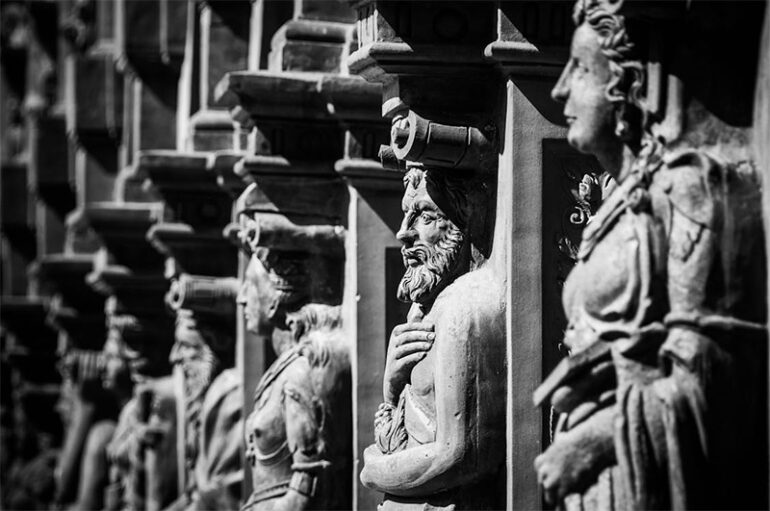
Rain-soaked cobblestones, crowded chapels, the echo of a brushstroke in Florence—those aren’t just scenes; they’re silent witnesses to something electric under the surface. Too many, in fact, miss it entirely. The art from this so-called “rebirth” era teems with riddles the average museum-goer strolls past. Zoom out and there’s more here than lovely faces in oil and ideal bodies modeled on ancient statues. Imbedded lies a subtext—a cipher of faith, power, science tucked behind smiles and halos. Not guesswork or accident. Deliberate code. To crack it demands not just an eye for detail but a willingness to see what most refuse.
The Language of Flowers
Take Botticelli’s “Primavera.” Easy enough to call it pretty—flowers everywhere, nymphs dancing—but let’s get serious: every petal tells a story. Orange blossoms for chastity; violets murmuring humility; laurel whispering victory over vice. Renaissance viewers didn’t need footnotes—they grew up surrounded by this visual vocabulary woven into everyday life. Ignore those details and you lose half the painting’s message. It wasn’t decorative fluff—it was loaded meaning aimed at patrons who wanted subtle signals about love, virtue, or maybe their own family ambitions embedded where everyone could admire them but only the smart ones would truly understand.
Geometry as Divine Order
Move away from petals and see what happens when geometry enters the frame. Look at da Vinci—never random with his triangles and circles stamped into what appears to be casual scenery. The triangle? That means Holy Trinity nearly every time—a threefold hint nestled between figures’ gestures or even their placements alone. Circular halos radiate around heads not because artists ran out of better ideas but because circles evoke perfection and eternity (the kind only God gets). Symmetry everywhere—it shouts certainty in a world starting to wake up to reason over superstition.
Animals with Double Meanings
A monkey is never just a monkey perched on someone’s lap in these paintings; that’d be too easy. Take Jan van Eyck: tiny dogs lying faithfully alongside couples—think loyalty or fidelity sneaking its way into domestic scenes where everyone looks stiffly posed but everything matters down to fur direction if studied long enough. Birds lurking overhead might toss out dual meanings too—doves for purity, peacocks shouting immortality thanks to all those “eyes” on their feathers watched by gods themselves (so said folklore). Artists picked each animal with intent sharper than any modern emoji selection.
Subtle Political Messaging
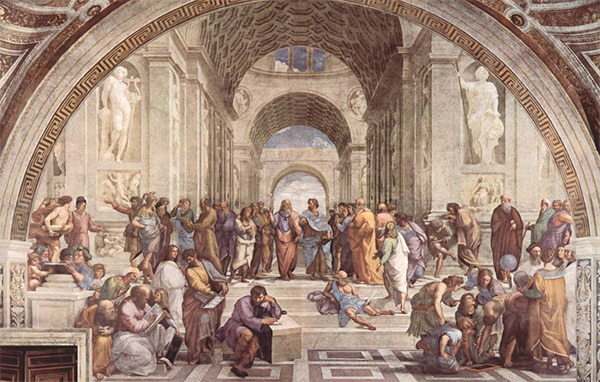
Don’t let anyone tell you old paintings stay out of politics—the evidence says otherwise every time Medici portraits show up wrapped in mythological themes borrowed straight from stories about Roman gods (no coincidence there). Artists folded real power struggles into allegories—the right saint beside a ruler meant divine sanction; satirical little devils hidden behind curtains whispered criticisms dangerous enough to ruin careers if caught saying them aloud instead of letting paint speak softly for those who could parse the joke or threat beneath layers of mythological pretense.
Step back now: none of this is accidental layering or leftover medieval superstition clinging stubbornly after progress swept through Europe’s studios and sketchbooks. This was planned—a communication network linking artists to patrons and audiences across centuries without uttering a word aloud that could endanger religion, reputation, or rebellion against authority depending on which symbol got slipped where. Miss those clues? One risks seeing nothing but pretty pictures while history hides its true face right there in plain sight—waiting yet again for eyes sharp enough to decode it all anew.
Photo Attribution:
1st & featured image by https://www.pexels.com/photo/grayscale-photography-of-statues-36006/
2nd image by https://www.pexels.com/photo/nativity-painting-of-people-inside-a-dome-159862/

