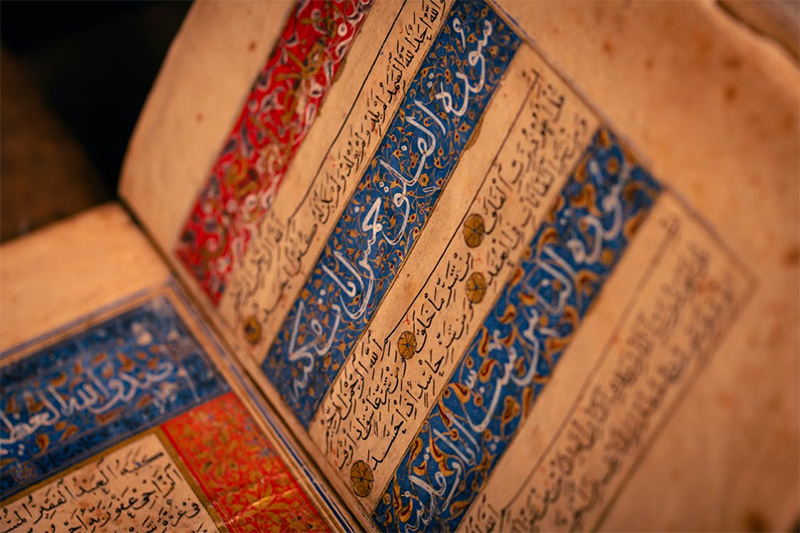
Color did not enter history as simple decoration. It came with cost, labor, trade, prayer, and obsession. Medieval manuscripts show that clearly. A page from a scriptorium was never just a page. It was a stage where pigment, gold, skin, light, and doctrine pushed against one another. That matters because later ideas about beauty, authority, and truth grew out of those pressures. The modern eye treats color as taste. Medieval book makers treated it as structure. Red commanded. Blue sanctified. Gold blazed with a force paint alone couldn’t fake. The page taught Europe to see color as hierarchy, emotion, and power.
Pigment Had Teeth
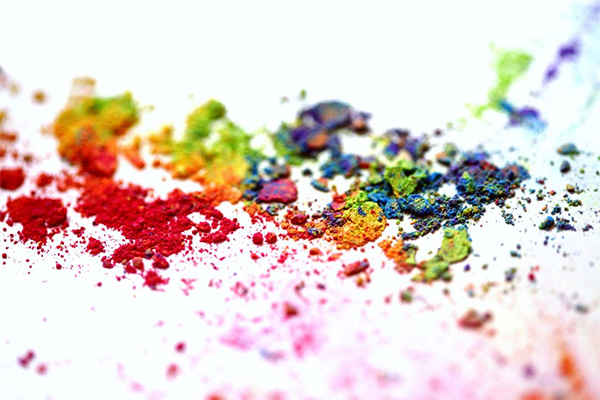
A medieval manuscript began with materials that refused to be innocent. Scribes and illuminators worked with pigments from minerals, plants, insects, and metals, and each source carried a social story. Ultramarine came from lapis lazuli brought from Afghanistan. That blue was imported prestige ground into powder. Vermilion flashed with mercury. Lead white offered brilliance and danger at once. Cost shaped meaning. Expensive colors gathered around holy figures, commissions, and sacred initials because patrons wanted splendor and artists understood visual rank. Color did not merely fill outlined spaces. It announced value before a single word got read.
Sacred Codes
Religious art in books did not choose color at random, though symbolism was never a neat chart. It worked because repetition trained the eye. Blue gathered around the Virgin so often that it came to suggest purity, queenship, and distance from ordinary flesh. Red could signal martyrdom, authority, blood, judgment, or sacred fire. Gold did something stranger. It denied ordinary time. Gilded initials and glowing backgrounds pushed scenes out of daily life and into sacred presence. A manuscript page turned theology into optics. Abstract doctrine became visible discipline. Readers absorbed belief through color before interpretation began.
Workshops and Trade Routes
No one should imagine the medieval page as a sealed monastic miracle cut off from the wider world. Trade routes fed the palette. Islamic book arts, Byzantine luxury, Mediterranean exchange, and local craft habits all pressed against Latin manuscript production. Pigments moved with merchants. Techniques moved with artists. Taste moved with courts and bishops who wanted books to look rich and formidable. Manuscripts shaped color in a broader sense. They turned imported matter into local habit. Once a workshop normalized a certain blue for sanctity or a certain red for authority, that choice spread. Pages became carriers of custom.
From Page to Painting
The manuscript did not remain trapped inside the book. Its color logic escaped. Panel painting, stained glass, textiles, and later printed images borrowed heavily from habits refined in illuminated pages. Margins taught ornament. Historiated initials taught framing. Layered pigments and highlights taught artists how contrast could guide devotion and attention. A tiny image in a psalter might solve a visual problem that a wall painter later enlarged for a church. Books were intimate machines of looking. A reader leaned close, saw red beside blue, saw gold catch candlelight, saw contrast produce meaning. Color became a system for directing thought across media.
Medieval manuscripts did far more than preserve texts. They built habits of perception that outlived the scriptoria that produced them. Color on those pages carried price, doctrine, geography, and ambition, all compressed into forms small enough to hold in the hand. Civilizations often announce their values through monuments. Medieval Europe also announced them through painted books, through blues bought at enormous cost, reds loaded with warning and sanctity, and gold that turned light into argument. The afterlife of those choices still lingers in Western art and design, where color keeps signaling rank, mood, holiness, and seriousness. The page may look fragile now. Its ideas about color were anything but fragile.
Photo Attribution:
1st & featured image by https://www.pexels.com/photo/close-up-of-illuminated-manuscript-text-29342494/
2nd image by https://www.pexels.com/photo/colored-powder-on-white-canvas-3694871/

